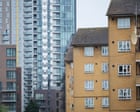
Gardening used to be a quiet hobby. Now it's a high-stakes legal battleground. If you rent your home from a social housing provider, a patch of weeds might soon cost you your roof. That is the chilling reality behind recent proposals pushing to evict tenants over unkempt gardens.
Let's get one thing straight right away. Messy yards look bad. They annoy neighbors. Sometimes they attract pests. But treating overgrown grass or a stray dandelion as a breach of tenancy serious enough to warrant homelessness is absurd. It's a massive overreach that penalizes vulnerable people for circumstances they often cannot control.
Housing associations and local councils argue that keeping an outdoor space tidy protects property values and neighborhood standards. They point to lease agreements where tenants promise to keep gardens in a neat and cultivar condition. Break that promise, the logic goes, and you forfeit your tenancy.
Reality is much messier than a neat hedge.
The Logistics Crisis Behind the Weeds
Most social housing tenants aren't sitting inside ignoring their yards out of sheer laziness. Many deal with severe chronic illness, mobility issues, physical disabilities, or deep poverty. Renting a house with a garden sounds like a luxury until you realize you cannot afford a lawnmower, shears, or weed killer. A basic petrol or electric mower can easily cost over a hundred dollars. For someone counting pennies just to keep the electricity running, buying gardening tools simply does not make the budget cut.
Local authorities used to offer garden assistance schemes for elderly or disabled residents. Those programs have largely vanished due to continuous budget cuts. Councils slashed funding, retired maintenance crews, and left tenants to fend for themselves. Then, politicians act shocked when a disabled tenant living alone cannot keep up with an aggressive patch of ivy.
It gets worse. Look at the physical setup of many social housing properties. Paved yards turn into mud pits. Drainage fails. Invasive weeds like Japanese knotweed or stubborn thistles spread from abandoned neighboring plots. Blaming the tenant for ecological failures baked into the property's design is lazy management.
The Slippery Slope of Housing Enforcement
Housing providers already possess legal tools to deal with genuinely hazardous or pest-ridden properties. They can issue warning notices, charge for clearance services, or work collaboratively with residents to fix the issue. Skipping straight to eviction threats crosses a dangerous line.
Evicting someone creates massive social costs. Putting a family out on the street costs taxpayers thousands in emergency accommodation, legal fees, and social services support. All over a few overgrown shrubs. The math makes zero sense. Housing associations exist to provide secure homes, not to act as suburban neighborhood watch committees enforcing aesthetic conformity.
When you introduce zero-tolerance policies for minor cosmetic issues, you create a culture of fear. Tenants become terrified to report maintenance issues inside their homes because they worry an inspector will spot a weed outside and start eviction proceedings. That destroys the trust required between landlords and communities.
What Actually Works on the Ground
If housing providers genuinely want tidy neighborhoods, they need to invest in practical support instead of wielding eviction notices like sledgehammers.
Communities that see real improvements rely on collaboration, not punishment. Some housing trusts run community tool-sharing libraries where tenants can borrow equipment for free. Others partner with youth training programs or volunteer groups to help elderly residents clear heavy brush twice a year.
Communication matters, too. Dropping an aggressive legal threat through the mailboxes of vulnerable people triggers panic. A friendly knock on the door or a simple letter offering practical help yields much better results. Most people want a nice space to sit outside. They just need the means or the physical capacity to achieve it.
We need to stop weaponizing property aesthetics against the poorest members of society. Housing security should never depend on whether your petunias survived the summer heat. If a garden looks rough, offer a mower. Don't throw the tenant out.