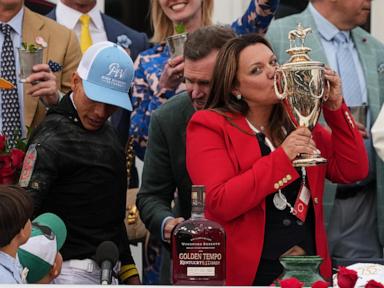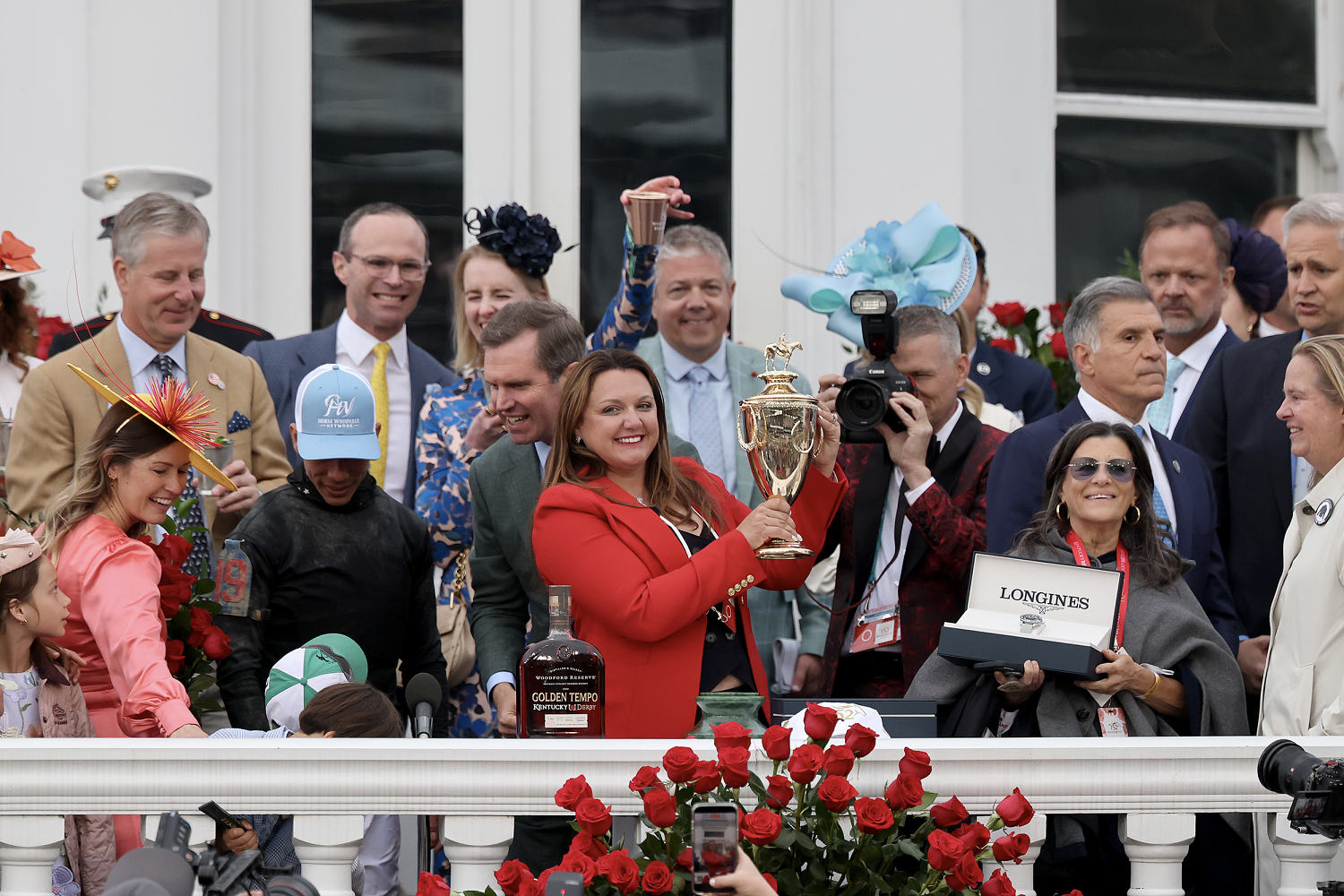
The air in a racing stable at four in the morning isn’t just cold. It’s heavy. It smells of liniment, sweet hay, and the nervous sweat of half-ton athletes that could shatter a human ribcage with a misplaced thought. Most people see the Kentucky Derby as a two-minute blur of silk and mint juleps, a high-society postcard from Churchill Downs. But for Cherie DeVaux, the track was never a postcard. It was a chalkboard where she spent years calculating everyone else’s success before she dared to write her own name.
Horse racing is a world built on old money and older ghosts. For a long time, the hierarchy was simple: you were either born into a dynasty, or you worked your way to a middle-management ceiling and stayed there, grateful for the proximity to greatness. DeVaux didn't fit the mold. She wasn't a blue-blooded heir. She was an assistant—the person who makes sure the gears turn so the lead trainer can take the trophy.
She spent years in the shadow of Chad Brown, a titan of the turf. Under his banner, she handled champions. she saw what it took to win at the highest level. But there is a specific kind of quiet agony in being the best at helping someone else succeed. It’s a comfortable trap. The paycheck is steady. The horses are elite. The risk belongs to someone else.
Then came the moment of the fracture.
The Midnight Choice
Imagine standing at the edge of a cliff with a perfectly good safety harness. Now imagine unbuckling it because you want to see if you can fly.
In 2018, DeVaux did exactly that. She left the security of a top-tier operation to start her own stable. In the bloodstock world, this is generally considered a form of professional suicide. Owners don’t just hand over million-dollar animals to a new shingle on the barn door. They want history. They want a trophy room that smells of leather and decades of winning. DeVaux had a resume, but she didn’t have the "Head Trainer" title that acts as a magnetic north for investors.
She started with nothing. No horses. No clients. Just a profound, almost stubborn belief that she saw the game differently.
The transition from assistant to boss isn't just a change in business cards. It’s a psychological war. When a horse gets sick at 2:00 AM, it’s no longer someone else’s problem to solve. When a race goes sideways because a jockey made a split-second tactical error, the owner isn't calling the lead trainer—they’re calling you. And if you’re a woman in a sport that has historically treated women as decorative rather than decisive, the margin for error is non-existent.
The Invisible Math of the Backstretch
People often ask what a trainer actually does. They think it’s just whispering to horses or timing sprints with a stopwatch. It’s actually a high-stakes blend of forensic accounting and pediatric medicine.
Every Thoroughbred is a fragile masterpiece. Their bones are dense but their tendons are like violin strings. A trainer has to look at a horse and see the invisible. They have to hear the slight hitch in a stride before it becomes a limp. They have to balance the caloric intake against the psychological burnout of a three-year-old animal that doesn't know why it’s being asked to run at forty miles per hour.
DeVaux’s edge wasn't just her eye for a horse; it was her patience. In a sport obsessed with the "now," she became a master of the "later."
Consider the hypothetical case of a yearling bought at auction. An impatient trainer pushes for an early debut to recoup the owner’s investment. They run the horse too hard, too fast, and by age four, the horse is retired, broken, or sold down the ranks. DeVaux played the long game. She treated her stable like a venture capital portfolio, nurturing the assets that needed time to mature.
But patience is expensive. Hay costs money. Grooms need to be paid. The "betting on herself" wasn't a metaphorical phrase. It was a literal drain on her bank account and her reputation.
The Breakthrough That Wasn’t Luck
Success in racing is often attributed to luck—the "racing gods" smiling down on a particular gate. That’s a lie we tell to make losing feel less personal.
The reality is a grind of incremental gains. DeVaux began winning. Not the big ones at first, but the Tuesday afternoon races that keep the lights on. She built a reputation for honesty in a sport that is often shrouded in mystery. Owners began to notice that her horses didn't just win; they stayed sound. They returned to the barn with their heads up.
The momentum began to shift. The "DeVaux" name started appearing in the entries of Grade 1 races—the elite tier where the air gets thin and the competition gets vicious. She wasn't just an assistant anymore. She was a threat.
The 2024 season felt like the culmination of a decade of held breaths. She wasn't just participating in the Kentucky Derby festivities; she was a major player. When she won the Grade 1 Humana Distaff with Vahva, it wasn't just a victory for a single horse. It was a vindication of the 2018 version of Cherie who stood in an empty barn and wondered if she’d made the biggest mistake of her life.
The Weight of the Silk
There is a visceral, gut-punch reality to standing in the paddock at Churchill Downs. The crowd is a roar of 150,000 voices, a wall of sound that vibrates in your teeth. The horses feel it. They dance on their toes, their eyes wide, nostrils flared like bellows.
As a trainer, you spend months, sometimes years, preparing for two minutes of action. Once the gates fly open, you have zero control. You are a spectator to your own destiny. You watch the colors of your silk—the specific pattern that identifies your stable—jockeying for position in a chaotic swarm of mud and muscle.
For DeVaux, those two minutes represent the invisible stakes. If the horse wins, the owner is happy, the value of the animal skyrockets, and the phone rings with new business. If the horse loses, you go back to the barn and try to figure out why, while the world moves on to the next headline.
She didn't just win a race. She dismantled the idea that you need a legacy to build a future.
Beyond the Winner's Circle
The most dangerous thing in any industry is a person who has nothing to lose and a point to prove. DeVaux had both. She proved that the "assistant" label is a cocoon, not a cage.
But the victory isn't found in the trophy. The trophy is just a piece of silver that needs polishing. The real win is the autonomy. It’s the ability to wake up at 4:00 AM and know that every decision, every mistake, and every triumph belongs entirely to you.
The sport of kings has always been defined by who is allowed in the room. By betting on herself, DeVaux didn't just walk into the room—she renovated it.
The barns are still cold in the morning. The hay still smells the same. The risk is still there, lurking in every hoofbeat. But now, when the sun comes up over the twin spires of Churchill Downs, it hits a stable with her name on the door.
In a world that constantly asks you to wait your turn, DeVaux decided that her turn started the moment she stopped asking for permission. She didn't just win a bet. She changed the odds for everyone who comes after her.
The mud on her boots is real. The sweat is real. And the victory is final.
The horse is back in the stall, breathing deeply, the steam rising from its coat in the cool Kentucky air. The race is over, but the work—the beautiful, grueling, terrifying work—is just beginning. Again.