The rain used to fall with a rhythmic, predictable fury across the spine of the American continent. Generations of men and women watched the grey clouds roll in from the Pacific, swelling the jungle canopy, feeding the lakes, and keeping the great concrete locks wet, heavy, and operational. We took it for granted. We assumed that the arterial shortcut of the global economy, the narrow trench carved through the tropical stone of Panama, would always have enough water to lift fifty-thousand-ton steel leviathans from one ocean to another.
Then the skies went quiet.
El Nino arrived, not with the theatrical drama of a Hollywood disaster, but with a slow, stifling burn. The seasonal downpours shrank to stubborn drizzles, then vanished altogether. Up in the mountain sanctuary of Lake Gatun, the gauge readings dropped inch by agonizing inch. This is the invisible heart of the operation. Without rain, there is no water. Without water, there is no lift. And without lift, the Panama Canal, the miraculous shortcut that ties East to West, begins to choke on its own ambition.
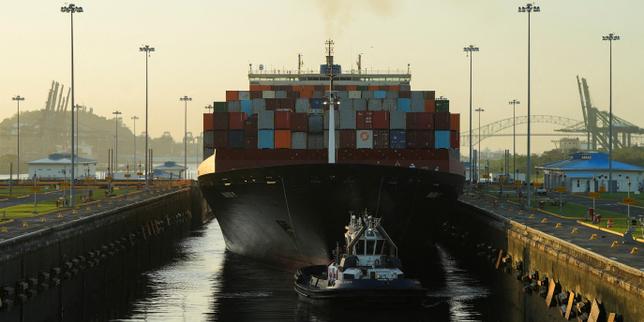
Imagine standing on the deck of a container ship carrying millions of dollars worth of electronics, fresh fruit, and manufactured goods. From your vantage point, the Pacific Ocean stretches out behind you like a sheet of hammered silver. Ahead lies the Miraflores Locks, silent and imposing. But the radio crackles with bad news. The draft limits are dropping. The water levels in the channel have receded so far that every vessel must shed weight just to scrape through.
This is where abstract economic data collides with harsh physical reality. Every inch that the water drops translates directly into millions of dollars of cargo left behind on the docks. Captains wait for weeks under a punishing sun, burning expensive bunker fuel while anchored in empty ocean basins, watching spot prices for shipping container space climb into the stratosphere.
Consider the cargo agent sitting in an air-conditioned office in Singapore or Rotterdam, watching the digital map turn red. They see numbers, transit slot auctions, and delay notifications. But behind those numbers are human lives thrown into chaos. Farmers whose perishable harvests rot because the refrigerated containers missed their window. Manufacturers whose assembly lines grind to a halt because a single gear is stuck on a stranded ship off the coast of Central America. We built a globally integrated civilization, yet we tethered its entire neck to the whims of regional meteorology.
The drought in Panama is more than a local weather anomaly. It is a loud warning shot about the fragility of our supply chains. For a century, we treated nature as an infinite background utility, a silent partner that would always provide the coolant, the power, and the hydraulic fluid for our industrial march. When the rain failed, the system buckled.
Engineers and canal authorities are scrambling. They dredge deeper channels, explore alternative water sources, and ration every single drop that flows through the massive culverts. Yet, technology can only do so much against a vanishing horizon. Water cannot be coded into existence. It must fall from the sky.
As the sun sets over the Gatun basin, painting the dwindling waters in bruised shades of violet and orange, the magnitude of the situation settles in. The ships will keep coming, because human trade never sleeps. But the era of effortless passage is over. We are left staring at the mud banks, listening to the hum of massive engines straining against the drought, waiting for the sky to remember how to cry.