If you grew up glued to the TV in the mid-90s, you probably remember the neon-soaked fever dream that was the Disney Afternoon. It was mostly refined. It had DuckTales. It had Gargoyles. But then, right around 1995, things got weird. Really weird. That was when The Shnookums and Meat Funny Cartoon Show crashed onto the scene, looking less like a Disney production and more like something that escaped from a radioactive basement at Nickelodeon.
It was loud. It was gross. Honestly, it was a total identity crisis on celluloid.
Bill Kopp, the creator, didn’t want to make another Cinderella. He wanted chaos. What we got was a spin-off from Marsupilami that tried to out-edge Ren & Stimpy while wearing a Mickey Mouse sweater. It didn't quite work. In fact, it only lasted 13 episodes before Disney pulled the plug, leaving a generation of kids wondering if they’d hallucinated the whole thing.
The Identity Crisis of The Shnookums and Meat Funny Cartoon Show
Disney was desperate to be "cool" in 1995. The problem is that when a giant corporation tries to be cool, it usually ends up looking like a dad wearing a backwards baseball cap at a skate park. The Shnookums and Meat Funny Cartoon Show was that dad.
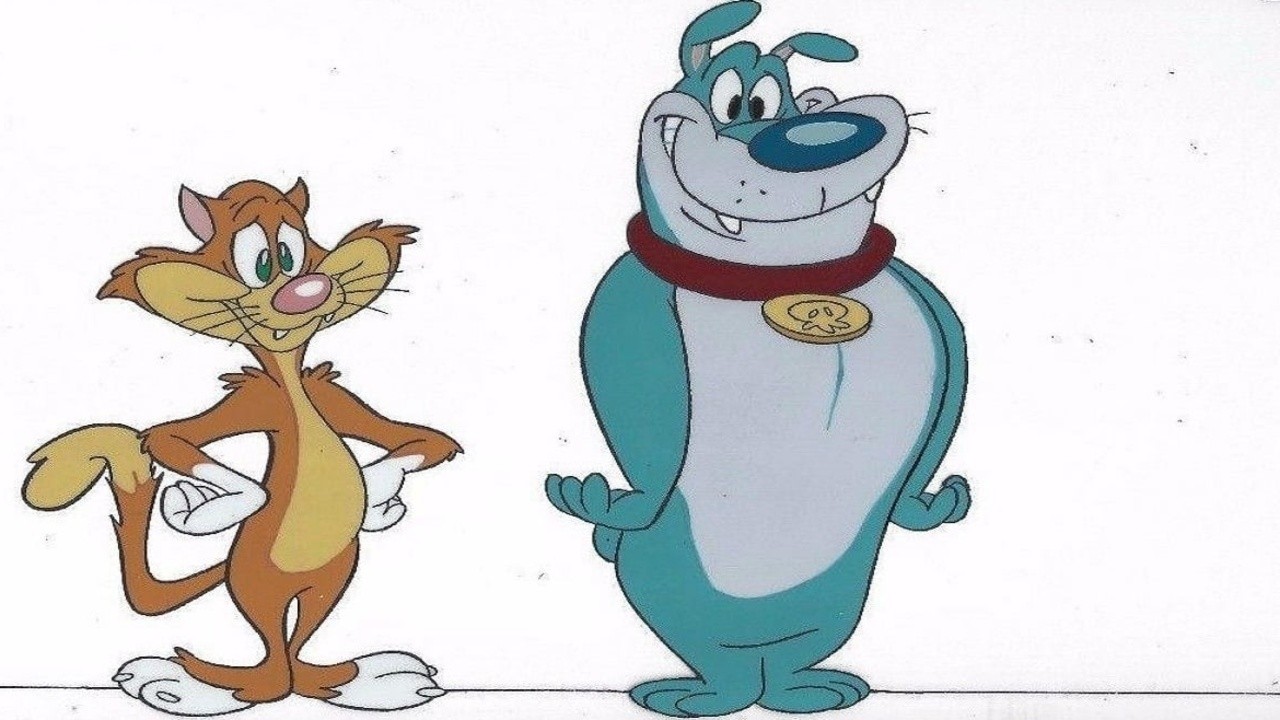
The show was split into three distinct segments. First, you had Shnookums and Meat—a cat and a dog who absolutely loathed each other. Unlike the slapstick rivalry of Tom & Jerry, this felt meaner. It was surreal. They weren’t just chasing each other; they were actively trying to dismantle each other's sanity in a world where physics was merely a suggestion.
Then there was Pith Possum: Spatula of Love. This was a blatant Batman parody, but with a marsupial. It was arguably the best part of the show because it leaned into the absurdity of the superhero genre before everyone else started doing it.
Finally, there was Tex Tinstar: Best in the West. This was a serialized Western spoof that always ended on a cliffhanger. It was ambitious. Maybe too ambitious for a show that was already struggling to find an audience that actually liked all three segments. You might love Pith Possum but find the Shnookums segments too abrasive. It was a fragmented viewing experience that didn't help the show's longevity.
Why it Felt So Different from "Disney"
Usually, Disney animation is characterized by "the illusion of life." Smooth lines. Fluid motion. Heart. The Shnookums and Meat Funny Cartoon Show threw all of that out the window in favor of "gross-out" humor and jagged, manic energy.
The Visual Style: Everything was jagged. The colors were oversaturated. It looked like the animators were drinking twenty cups of coffee a day. It shared more DNA with Eek! The Cat (which Bill Kopp also worked on) than it did with The Lion King.
The Humor: It relied heavily on "the ick factor." Crusty eyes, bulging veins, and grotesque close-ups were the name of the game. Disney fans weren't ready for it. Parents certainly weren't ready for it.
The Voice Cast: Despite the weirdness, the talent was top-tier. You had Jason Marsden, Steve Mackall, and the legendary Jim Cummings. They gave it their all. The performances were frantic and high-energy, which is probably why the show still has a small, dedicated cult following today.
People often forget that this was Disney's first real attempt at a "creator-driven" show in the vein of the Nicktoons explosion. They saw the success of The Ren & Stimpy Show and wanted a piece of that gross-out pie. But Disney’s brand was built on being "safe," and The Shnookums and Meat Funny Cartoon Show was anything but safe. It felt like a rebellion from inside the Mouse House.
The Pith Possum Factor
If you ask anyone who remembers the show what they liked, they usually mention Pith Possum. Pith lived in Possum City and was a clear "tribute" to the 1960s Batman series and the darker Batman: The Animated Series.
The comedy came from the fact that Pith was completely incompetent. He was obsessed with a female possum named Doris Deer and fought villains like the ultra-bizarre Dr. Paul Bearer. It was smart writing buried in a show that most people dismissed as "too loud."
Honestly, Pith Possum probably could have survived as its own standalone show. By burying it inside a variety format with a cat and dog who were constantly screaming, Disney might have accidentally killed their best chance at a hit parody series.
The Serialized Gamble of Tex Tinstar
The Tex Tinstar segments were a weird experiment in storytelling. Instead of self-contained episodes, each segment was a chapter in a long, continuous story. This was almost unheard of for afternoon cartoons at the time. If you missed Tuesday’s episode, you were basically lost by Wednesday.
It was a parody of old Western serials, complete with a narrator who sounded like he’d been smoking gravel. Tex was the "hero" who was constantly getting into impossible scrapes—falling off cliffs, being tied to train tracks, the works.
This segment showed that the writers were actually quite clever. They were playing with tropes and deconstructing the Western genre. But again, was a kid coming home from school in 1995 looking for a nuanced deconstruction of 1940s cinema tropes? Probably not. They wanted to see someone get hit with a frying pan.
Why it Disappeared So Fast
Thirteen episodes. That’s all we got.
Disney shifted gears quickly. They realized that the "gross-out" era was starting to peak and that their strength lay in high-quality, narrative-driven shows or more traditional slapstick. The Shnookums and Meat Funny Cartoon Show was moved around the schedule, eventually ending up on The Disney Afternoon block where it felt like a sore thumb.
Critics at the time were not kind. They called it a "Ren & Stimpy clone" without the heart or the artistic pedigree of John Kricfalusi’s work. While that might be a bit harsh, it’s easy to see why the comparison stuck. The show was trying so hard to be "extreme" that it sometimes forgot to be actually funny.
There's also the "Executive Factor." Rumor has it that Disney executives weren't entirely comfortable with the tone. It didn't sell toys. It didn't fit the "Disney Magic" brand. When a show doesn't sell merchandise and confuses the brand identity, it’s usually destined for the vault.
The Legacy of the Weirdness
Does anyone actually care about this show in 2026? Surprisingly, yes.
In the age of the "weird internet," The Shnookums and Meat Funny Cartoon Show has found a second life on message boards and YouTube retrospectives. It’s seen as a fascinating "what if" in Disney history. It was a moment when the biggest media company in the world decided to let its hair down and get dirty, even if it only lasted for a few months.
It paved the way for future "weird" Disney shows like Dave the Barbarian or even Gravity Falls—shows that weren't afraid to be offbeat or subvert expectations. It proved that Disney could experiment, even if the experiment blew up in the lab.
If you go back and watch it now, the animation is actually quite impressive in its fluidity, even if the character designs are an acquired taste. It’s a time capsule of 90s attitude. It’s loud, it’s colorful, and it’s unapologetically strange.
How to Revisit the Chaos
If you're feeling nostalgic or just curious about this bizarre footnote in animation history, here is how you can actually engage with the legacy of the show:
- Check Digital Archives: While Disney+ hasn't given the show a prominent spot (likely due to its "black sheep" status), segments often pop up on official and unofficial animation archives.
- Study the Voice Acting: Pay close attention to Jim Cummings as Pith Possum. It is a masterclass in comedic timing and a total departure from his more famous roles like Winnie the Pooh or Darkwing Duck.
- Look for the "Easter Eggs": The show is packed with inside jokes about the animation industry and 1990s pop culture. It’s much denser than you remember.
- Compare the Styles: Watch an episode of Marsupilami and then an episode of Shnookums and Meat. It’s a fascinating look at how a spin-off can completely mutate the DNA of its predecessor.
Ultimately, the show serves as a reminder that even the most calculated media giants can occasionally produce something truly unhinged. Whether it was "good" is still up for debate, but it certainly wasn't boring.