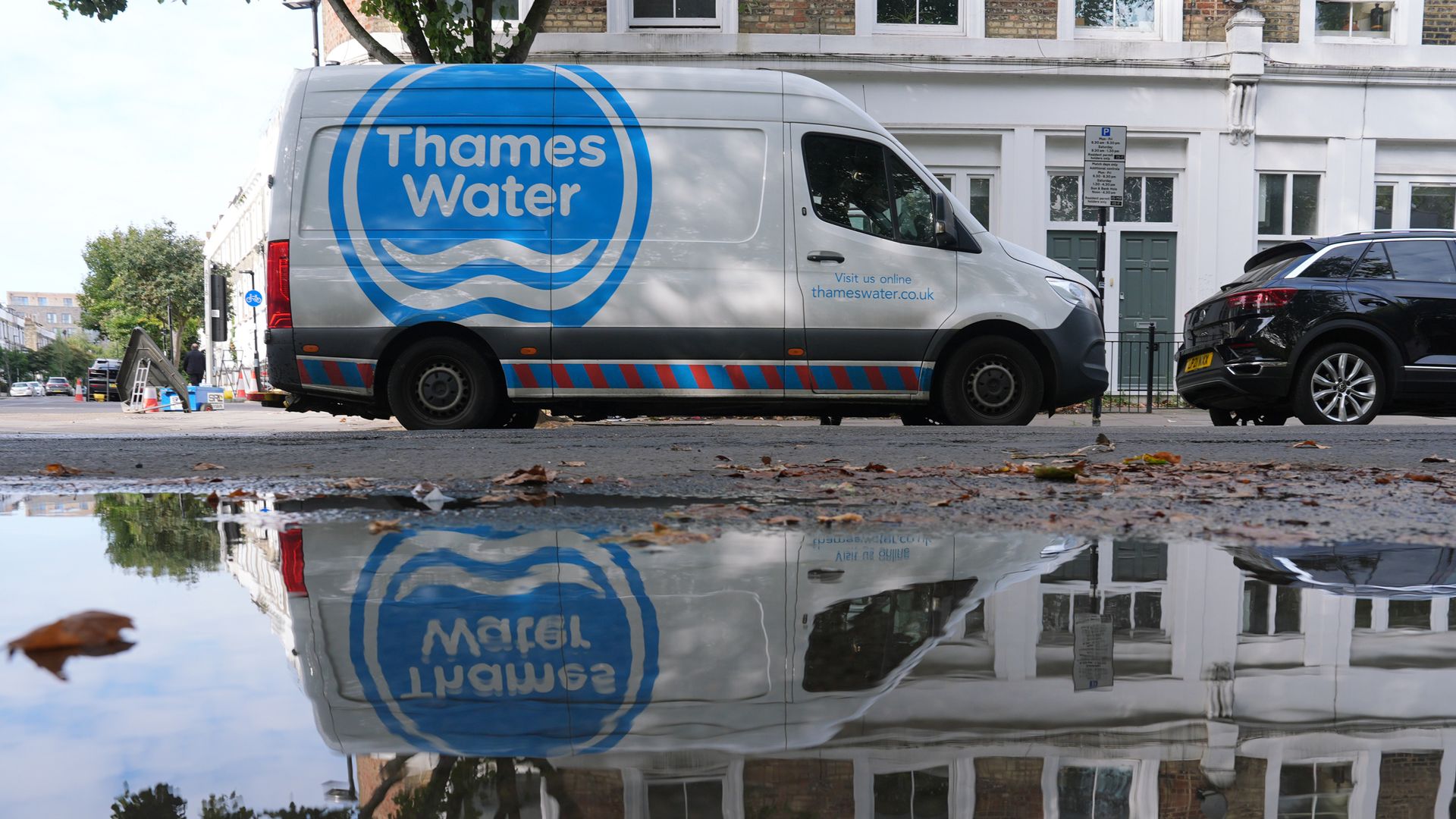
Thames Water just dodged another bullet. The UK's largest water supplier secured an emergency funding lifeline that keeps the lights on and the taps running well into next year, right before a critical cash deadline threatened to push the company into government administration. If you're among the 16 million customers across London and the Thames Valley, your water won't stop flowing tomorrow. Your bank account, however, is another story entirely.
Let's cut through the corporate spin. When a massive utility announces it has "agreed funding into next year ahead of a looming deadline," it sounds like a triumphant business turnaround. It isn't. It's a high-stakes game of kicking a £15 billion debt can down a very crumbling road. Having watched UK infrastructure financing unravel over the past decade, I can tell you this kind of emergency liquidity deal rarely fixes the underlying rot. It just buys lawyers and bankers more billable hours while regulators figure out who takes the blame.
What Actually Happened With the Thames Water Funding Deal
Thames Water was staring down a terrifying cash crunch. Without fresh capital, the company risked running out of money within months, which would have triggered a Special Administration Regime (SAR) under the Water Industry Act 1991. That's the legal mechanism where the UK government steps in to run an essential utility because it's literally too big to fail.
To stop that from happening, Thames Water struck a deal with its creditors for up to £3 billion in emergency debt facilities. The structure breaks down into an initial tranche of roughly £1.5 billion, with another £1.5 billion available if certain legal and regulatory conditions get met.
Here's the catch nobody likes talking about. This isn't cheap money.
Emergency rescue financing comes with eye-watering interest rates—reportedly sitting around 9.75%—alongside hefty arrangement fees. When you're already drowning in roughly £15 billion to £18 billion of total debt, taking on billions more at nearly 10% interest is like paying off a maxed-out credit card with a payday loan. It stops the bailiffs from knocking today. It makes next month significantly worse.
Why Creditors Agreed to Step In
You might wonder why institutional investors—including major asset managers and hedge funds—would hand over billions to a struggling utility. Simple. If Thames Water collapses into government administration, senior bondholders face brutal haircuts on what they're owed.
By providing this bridging loan, Class A creditors keep control of the restructuring table. They get paid a massive return for taking the risk, and they protect their existing seniority in the debt stack. Meanwhile, Class B bondholders—the folks holding riskier debt—are left fighting over scraps and threatening legal challenges in the High Court. It's pure financial self-preservation dressed up as saving a public service.
How We Got Into This Mess
People love blaming one single villain for Thames Water's collapse, but the reality is a slow-motion trainwreck thirty-five years in the making. When Margaret Thatcher privatized the regional water authorities in 1989, Thames Water was handed over with zero debt. None. Not a single penny.
Fast forward to the Macquarie era between 2006 and 2017. During those eleven years, the Australian infrastructure giant and its consortium partners loaded the company up with billions in debt while extracting billions in dividends. By the time Macquarie sold its remaining stake, Thames Water's debt pile had ballooned from roughly £3.2 billion to over £10 billion.
It was classic financial engineering. Interest rates were near zero, inflation was low, and nobody asked what would happen when the macroeconomic tide went out.
Then the tide went out.
The Inflation and Interest Rate Trap
Roughly half of Thames Water's debt is index-linked, meaning the amount it owes rises automatically with inflation. When UK inflation spiked above 10% in 2022 and 2023, Thames Water's debt servicing costs exploded overnight. Simultaneously, decades of underinvestment caught up with the physical network. Victorian-era pipes started bursting at record rates, sewage spills triggered public outrage, and Ofwat—the water industry regulator—began slapping the company with tens of millions in fines.
Existing shareholders, including pension funds like OMERS and the Universities Superannuation Scheme (USS), eventually looked at the numbers and walked away. They wrote their stakes down to near zero and refused to inject the £500 million they had previously promised, calling the company "uninvestable" under current regulatory rules.
The Real Impact on Your Water Bills
So what does this emergency funding deal mean for ordinary households? Honestly, you're going to pay for it either way.
Under Ofwat's PR24 price review—which sets customer bills from 2025 through 2030—Thames Water originally demanded permission to hike average household bills by over 40%, pushing them well past £600 a year. Ofwat initially pushed back, proposing a much smaller increase while slashing the amount of money Thames Water could spend on certain projects.
That regulatory standoff is the exact reason this emergency funding deal has strings attached. The creditors aren't handing over the second £1.5 billion tranche out of goodwill. They want to see Ofwat soften its stance and allow higher returns—which translates directly to higher monthly bills for you.
If Ofwat holds firm and refuses to let Thames Water pass these massive financing costs onto customers, the company's equity remains worthless and the restructuring drags into prolonged court battles. If Ofwat caves to keep private investors happy, millions of families in the South East get hit with steep bill hikes during a sluggish economy.
What Happens If Special Administration Still Happens
Don't assume this deal guarantees Thames Water avoids government intervention forever. Think of this funding as a temporary ceasefire, not a peace treaty.
If the company fails to clear the legal hurdles required to unlock the second half of the funding, or if Ofwat's final determination leaves a massive funding gap that no private equity buyer wants to fill, the Department for Environment, Food and Rural Affairs (Defra) still has its contingency plan ready.
Under Special Administration:
- Water and wastewater services continue without interruption.
- Shareholders get wiped out completely.
- Senior debt holders likely take a substantial write-down on their investments.
- The government stabilizes the balance sheet before eventually selling the cleaned-up utility back to new private owners.
Politicians hate this option because it puts billions of pounds of liabilities onto the public balance sheet, even temporarily. That's why Treasury officials quietly breathe a sigh of relief every time creditors cobble together another private rescue package.
Why This Matters Beyond London
If you live in Manchester, Birmingham, or Edinburgh, you shouldn't tune this out. Thames Water is the canary in the coal mine for the entire privatized UK utility model.
Southern Water, Yorkshire Water, and South East Water are all carrying heavy debt loads under the exact same regulatory framework. International infrastructure investors are watching the Thames Water saga like hawks. If the UK proves it can't balance environmental standards, affordable bills, and predictable investor returns, global capital will simply pack its bags and fund grids and pipelines in North America or continental Europe instead.
We need roughly £88 billion invested across the UK water sector over the next five years just to stop raw sewage dumping and build new reservoirs. Without private capital, taxpayers have to fund that directly through higher taxes or government borrowing. Neither option wins votes.
Practical Steps You Can Take Right Now
You can't control High Court debt restructurings or Ofwat boardroom negotiations, but you don't have to sit back and absorb every single price hike blindly. Take control of what's actually within your reach before the next round of tariff adjustments hits.
- Check if a water meter saves you money. If you live alone or as a couple in a property with three or more bedrooms, paying based on rateable value means you're subsidizing larger households. Request a free meter installation through Thames Water—in most cases, you have up to two years to switch back if your bills don't drop.
- Apply for the WaterHelp scheme immediately. If your household income is below £21,749 (or £26,110 in London boroughs) and your water bill eats up more than 5% of your net income, Thames Water offers a 50% discount on your bill. Millions of eligible households never apply because they assume they won't qualify.
- Claim the surface water drainage rebate. If rainwater from your property drains into a soakaway on your own land rather than into Thames Water's public sewers, you're entitled to a reduction on your wastewater charges. Check your latest bill to see if you're paying for surface water drainage you don't use.
- Audit your direct debit payments. Utility companies routinely overestimate usage when cash flow gets tight. Log into your online account, submit an actual meter reading today, and make sure you aren't sitting on hundreds of pounds of unrefunded credit that belongs in your own savings account.
Thames Water bought itself another year to figure out its broken finances, and Wall Street creditors locked in a lucrative near-10% return for the trouble. Make sure your own household budget is just as fiercely protected.