Fluorescent light hums a dull, vibrating B-flat at four in the morning. It is a sound that does not belong to the human ear, yet millions of us know it intimately. It is the sound of transit purgatory.
Consider a hypothetical traveler named Arthur, though he could just as easily be you, or the exhausted mother three rows over trying to quiet a teething toddler with a lukewarm bottle of airport tap water. Arthur is staring at a departure board that has just blinked from On Time to Cancelled. There is no dramatic explosion. There is no cinematic alarm. Just a soft, electronic click, followed by the collective exhale of three hundred people whose Tuesday morning plans have just dissolved into vapor.
Outside the terminal glass, the tarmac gleams wet under a gray British drizzle. Inside, the air smells of old coffee, floor wax, and rising panic. Arthur has a meeting in Frankfurt that will define the next three years of his firm’s trajectory. Or perhaps he is simply trying to get back to Manchester to bury his father. The reason changes depending on who you ask in the queue, but the weight is identical. It is the crushing realization that your life has been entirely outsourced to a machine that has just broken down.
When mass flight cancellations paralyze the United Kingdom, the headlines speak of logistical failures, air traffic control bottlenecks, and software glitches. They talk about millions of pounds in lost revenue and percentages of on-time performance. They draw neat little bar charts for evening news broadcasts.
They miss the human equation entirely.
Behind every canceled flight code is a missed bedside vigil, a forfeited deposit on a first apartment, an interview slot given to someone else, or simply twenty-four hours of life spent sleeping on an interlocking plastic chair that leaves your ribs aching for a week. We have built an extraordinarily complex civilization designed to shrink the globe, yet we remain entirely defenseless when the gears slip.
To understand why these disruptions provoke such incandescent fury—why frustrated passengers are now openly demanding the immediate dismissals of aviation executives—you have to look past the spreadsheets. You have to look at the social contract of modern travel.
When you hand over your credit card and board a modern airliner, you are entering into a profound act of trust. You are betting your physical safety, your schedule, and your dignity on the invisible competence of strangers. You are assuming that somewhere in a corporate tower, intelligent people have accounted for the winter weather, the scheduling shifts, and the inevitable fatigue of human crews.
When that trust shatters because of understaffing, outdated scheduling software, or corporate corner-cutting, the betrayal feels personal. It is not just an inconvenience. It is a violation of an unwritten pact.
Look at what happens when the system breaks. The digital apps spin their little loading wheels, mocking you with cheerful prompts to try again later. The customer service desks are staffed by frontline workers who bear the brunt of a fury that rightfully belongs to boardrooms fifty miles away. These agents take the screaming, the tears, and the quiet, defeated sighs, absorbing the shockwaves of an administrative failure they did not create and cannot fix.
This is why the calls for dismissals are rising above the usual background noise of consumer complaints. This is not about a delayed holiday. This is about accountability in an era where massive systems swallow human lives and shrug off the wreckage.
When executives pull down multi-million-pound bonuses while frontline operations run on razor-thin margins that snap at the first sign of pressure, the math stops making sense to the ordinary person. It feels predatory. It feels like privatized profits and socialized misery.
Think of the ground crew at Heathrow or Gatwick. They are the ones sweeping up the mess. They are the ones handing out vouchers for stale sandwiches that cost less than a cup of station coffee. They know the system is brittle. They have been warning the upper tiers for years that cutting one more position, squeezing one more rotation out of an exhausted crew, is going to bring the whole house of cards down.
And then it does.
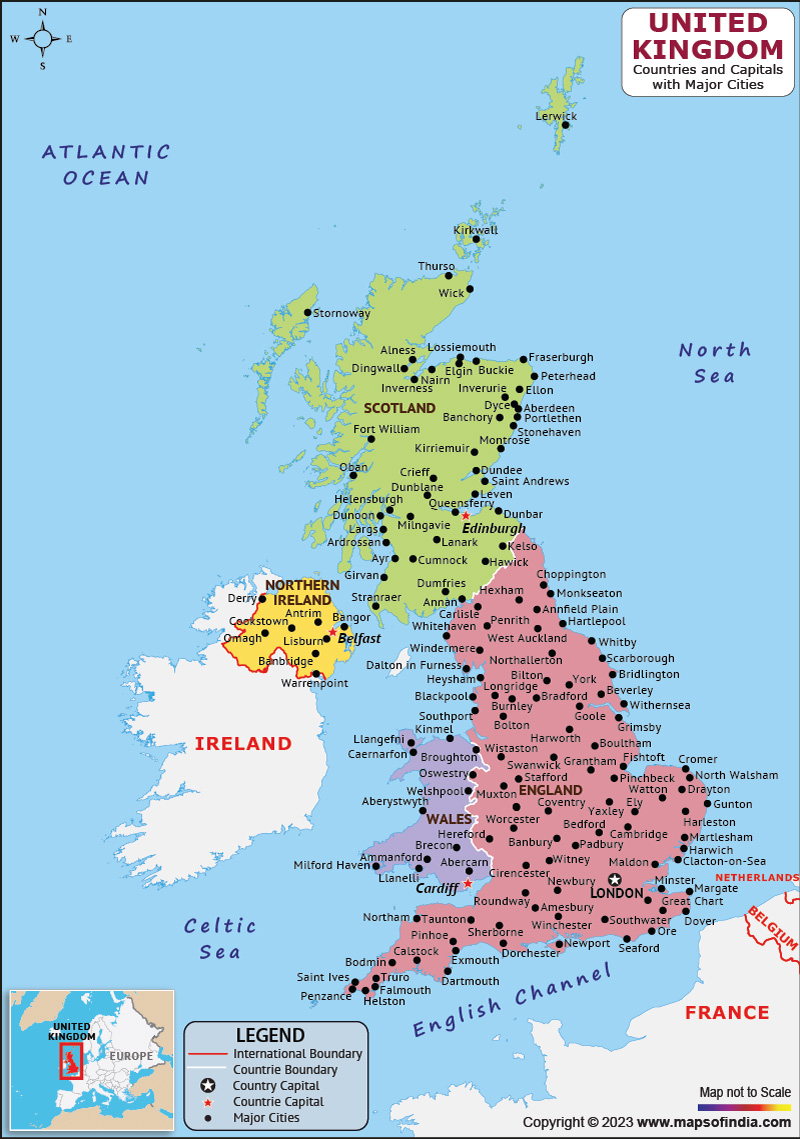
A single software glitch or a localized weather event cascades across the network. Planes are out of position. Crews time out under strict safety regulations—regulations that are vital, yet weaponized by poor planning into total paralysis. Within hours, the contagion spreads from London to Edinburgh, from Manchester to Belfast. The island nation folds inward, its arteries clogged with stranded humanity.
The corporate response is almost always the same. Vague statements about unprecedented circumstances. Expressions of regret. Promises of review. It is corporate poetry designed to say nothing while consuming maximum space.
But the public memory is changing. People are tired of being treated as movable units of inventory rather than human beings with places to be and lives to live.
Dismissals will not fix the weather. Firings will not instantly rewrite legacy software or build new runways. But accountability matters because it establishes a boundary. It sends a signal that human time has value. It reminds those who manage our vital infrastructure that they are stewards of our collective mobility, not just caretakers of a stock price.
Until that lesson is learned, the fluorescent lights will keep humming at four in the morning. Arthur will keep staring at the board. And the ghost in the terminal will keep waiting for a system that remembers how to keep its promises.