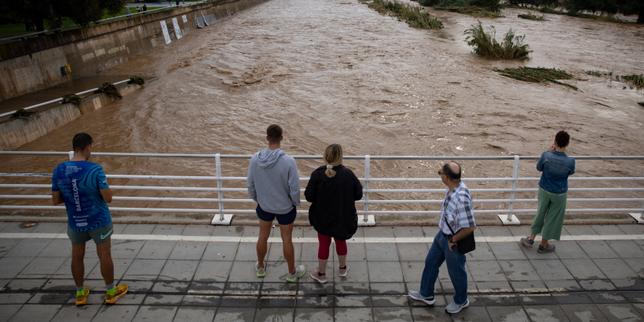
"Stay home and avoid all travel" sounds simple enough when heavy rain starts hammering eastern Spain. Except when flash floods turn quiet streets into rushing rivers in minutes, staying put isn't always simple—and it isn't always safe.
When severe rain and flooding swept eastern Spain, leaving at least two dead in initial reports as authorities urged people across the Valencia region to stay indoors and skip unnecessary trips, the headline felt painfully familiar. Heavy autumn downpours along the Mediterranean coast aren't new. What's changed is how fast dry ravines and city streets fill up—and how quickly a "stay home" order gets tested by rising water, stalled cars, and flooded ground floors. For a different perspective, consider: this related article.
Why Valencia Flood Alerts Carry So Much Weight
Anyone watching weather along Spain's eastern coast knows this region doesn't mess around when autumn storms settle in. Warm Mediterranean air collides with cooler upper-level systems, often linked to DANA weather patterns, dumping staggering volumes of rain over short windows. According to the Spanish State Meteorological Agency (AEMET), Spain had just come off a record-hot summer from June through August and its hottest September on record on the peninsula, leaving surrounding seas and air primed for heavy moisture.
Authorities tell residents to stay home for a practical reason: roads flood before drivers realize what's happening. Water sweeps vehicles off roadways, blocks emergency vehicles, and turns routine commutes into rescues. Keeping people off the roads gives crews room to work and cuts down on stranded motorists. Related coverage on this trend has been published by NBC News.
That said, treating "stay home" as a cure-all misses a hard truth. A single-story home or a ground-floor apartment isn't automatically a fortress when runoff pours down from higher terrain or backs up through drainage systems. People with mobility limits, older residents, or homes near waterways face very different risks than someone on a fourth floor with groceries and a charged phone.
What Most People Get Wrong About Flash Floods
People often picture flooding as a slow tide that creeps up over hours. Flash floods don't wait politely. They surge, carry mud and debris, and catch people mid-errand or mid-chore.
Thinking "Just One Quick Drive" Won't Hurt
You've probably seen it—or felt the temptation yourself. The rain lets up for ten minutes, the road looks passable, and you think you can just grab supplies or check on a car. That's usually when trouble starts. Even shallow moving water can knock a person off their feet or push a vehicle off its tires, and low spots dip deeper than they look from behind a windshield.
Assuming Every Room Inside Is Safe
Being indoors is generally smarter than driving through a deluge, especially when officials warn that travel isn't possible. Still, staying inside doesn't mean ignoring water rising at the door. Ground floors, basements, and garages can fill fast. Moving to an upper floor—or having a clear plan to get somewhere higher before water traps you—matters way more than stubbornly guarding a doorway or trying to save a parked car.
Ignoring How Fast Conditions Shift
Weather warnings update in real time because storm cells stall, intensify, and move unevenly across neighboring towns. One neighborhood might get a soaking while the next gets hammered by heavy runoff coming down from upstream. Checking official alerts from AEMET and local emergency services beats relying on how the sky looks outside your window.
Climate Signals and Urban Vulnerability
Scientists have pointed out for years that warming seas boost evaporation and supercharge heavy rainfall events along the western Mediterranean. When you pair heavier bursts of rain with dense paving, river channels, and fast-moving runoff, drainage systems get overwhelmed quickly.
Yet blame doesn't belong solely on the sky. Where towns grow, how stormwater drains are maintained, and how early warnings reach residents all shape the outcome. Even Spain's own history—from the devastating 1957 Valencia flood that prompted the Plan Sur river diversion to later severe events—shows that infrastructure and warning systems have to keep pace with extreme weather rather than fighting the last storm.
Honestly, that's what makes these alerts so tense. Officials don't issue blunt stay-at-home calls lightly. When they do, they're trying to stop a bad situation from spiraling while water is still moving fast.
Practical Steps When Heavy Rain Warnings Hit
If you're in an affected area—or planning travel around eastern Spain when severe rain alerts pop up—keep your moves simple and practical:
- Cancel non-essential trips early: Don't wait until water covers the main road to call off a drive or train connection.
- Skip flooded streets and underpasses: Never drive or walk through moving water, even if it looks shallow or calm for a second.
- Move up and charge up: Keep phones charged, a flashlight handy, and essential medications or documents easy to grab if water reaches lower levels.
- Check on vulnerable neighbors: A quick text or call to older or isolated neighbors can make a real difference before roads get cut off.
When authorities tell people to stay put during heavy rain and flooding, listen—and pair that caution with common sense about where the water is actually going.