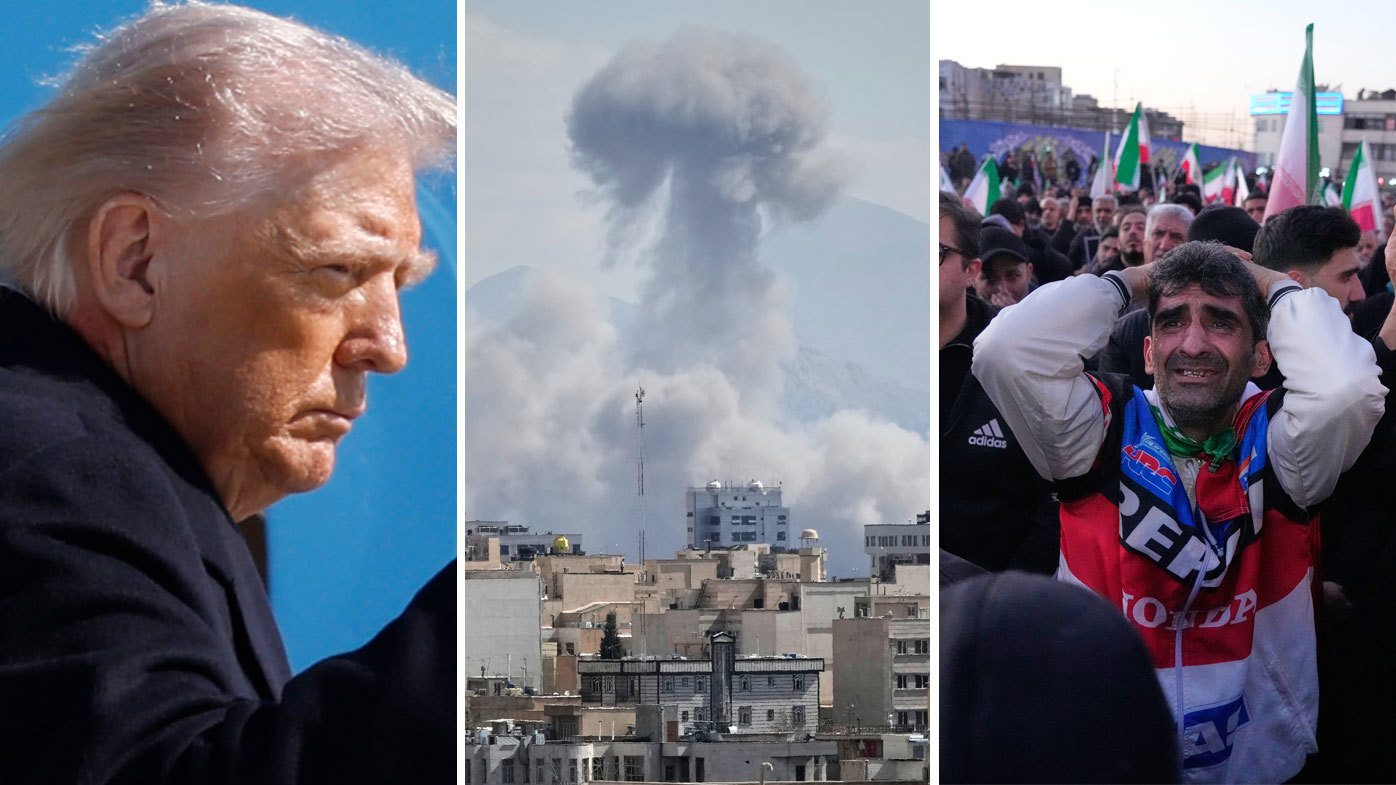
Western media is obsessed with the optics of the "street." They see a crowd in Tehran waving flags after a drone launch and call it a victory lap. They see a precision strike from Israel and call it a knockout blow. Both perspectives are fundamentally lazy. They mistake theater for strategy and pyrotechnics for power.
The narrative currently being fed to the public—that Iran is reacting emotionally or that the region is one misstep away from a total collapse—ignores the cold, mathematical reality of modern kinetic signaling. We aren't watching a bar fight. We are watching a high-stakes calibration of state survival where both sides are desperately trying to avoid the very "total war" the pundits claim is inevitable.
The Myth of the Spontaneous Celebration
Stop looking at the crowds. In Tehran, "spontaneous" celebrations are a curated state product. If you’ve spent any time analyzing the internal mechanics of the Islamic Revolutionary Guard Corps (IRGC), you know that public displays of fervor are a logistical requirement, not a metric of national morale.
The media focuses on the flags and the chants because it’s easy to film. It makes for a compelling thumbnail. But the real response isn’t happening on the pavement; it’s happening in the hardened silos and the encrypted links between Tehran and its proxies. When the Iranian government broadcasts images of people celebrating "successful" strikes, they aren't talking to us. They are talking to their own hardline base to prevent internal fracture. To read these celebrations as a sign of Iranian confidence is a massive tactical error. It is a sign of internal pressure management.
Strategic Patience is Just a Polite Term for Capability Gaps
The "lazy consensus" loves the term "strategic patience." It sounds wise. It sounds like Sun Tzu. In reality, it’s a euphemism for "we don't have the air superiority to do anything else."
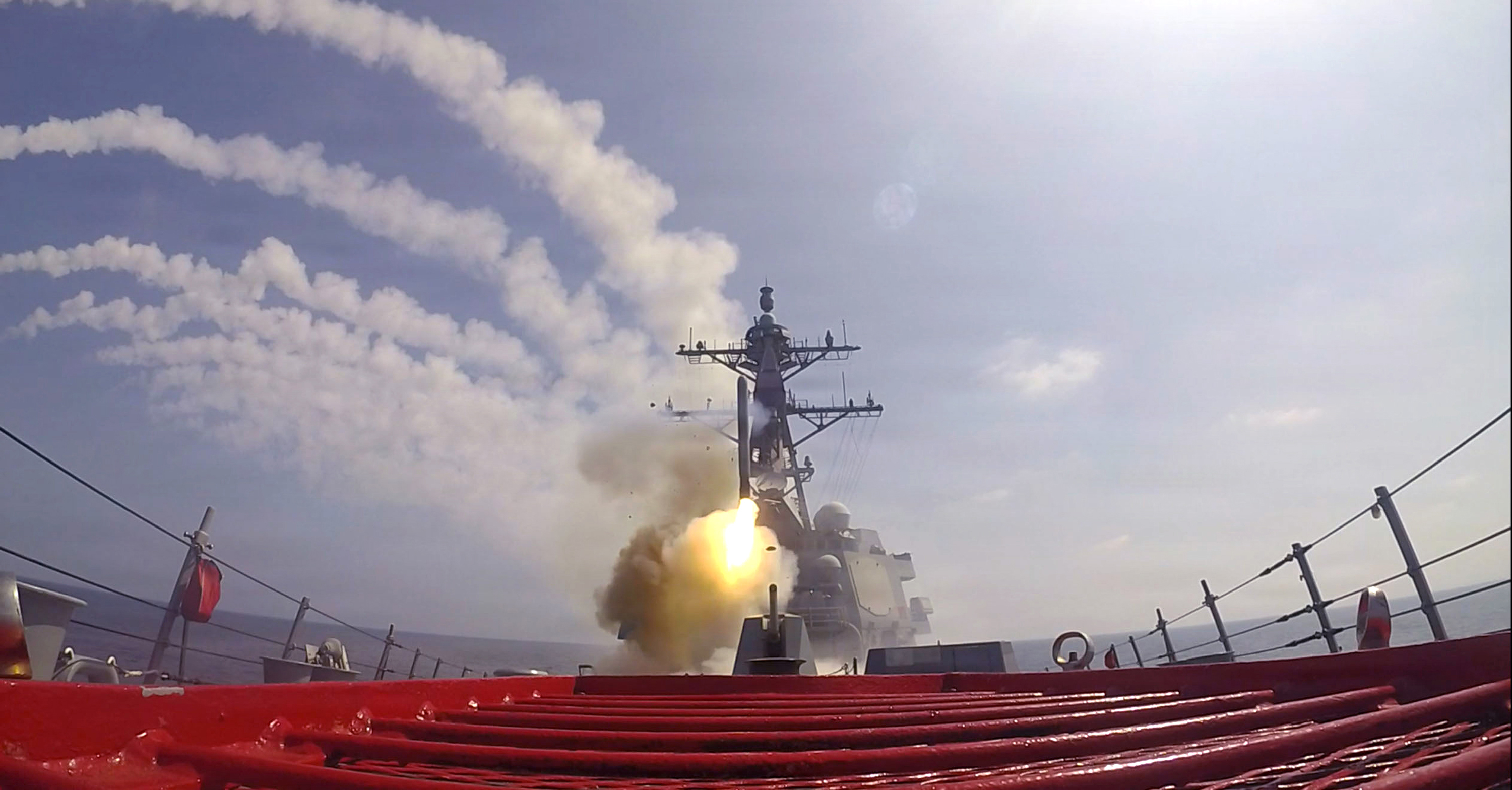
Iran’s response to US and Israeli strikes is dictated by the hard limits of its hardware. While the world frets over the number of drones launched, the real story is the interception rate and the cost-to-kill ratio.
- The Drone Swarm Fallacy: Launching 300 drones is not an attempt to level a city. It is a data-gathering mission. It is a way to map the sensor fusion of the "Integrated Air and Missile Defense" (IAMD) systems.
- The Cost Asymmetry: It costs Iran roughly $20,000 to build a Shahed drone. It costs the coalition $2 million to fire a single interceptor missile.
Iran isn't trying to win a dogfight; they are trying to bankrupt the defense budget of the West through attrition. If you think the "failure" of drones to hit targets means Iran lost, you’re playing the wrong game. They are checking the ping on the most sophisticated radar net on earth.
The Escalation Ladder is Broken
We are taught that conflict follows a linear ladder. A hits B, so B hits A harder. This is a 20th-century mindset that has no place in the current Levant.
The current exchange is a "Gray Zone" conflict that has bled into the light. The "status quo" was a shadow war of assassinations and cyberattacks. By moving to direct strikes, both nations have actually signaled a desire for containment.
Think about it. If you truly want to destroy your enemy, you don't give them 72 hours of back-channel warnings through Swiss intermediaries. You don't launch slow-moving suicide drones that take hours to arrive, giving the entire world time to get their cameras ready.
This is "performative escalation." It provides enough "heat" for the domestic audience to feel vindicated, but enough "miss" for the adversary to avoid a full-scale ground invasion.
Why the Tech Narrative is Wrong
Every tech analyst is currently drooling over the performance of the Arrow-3 and Iron Dome systems. Yes, the tech is impressive. But focusing on the interceptors misses the shift in electronic warfare (EW).
The real war is being fought in the electromagnetic spectrum. During these strikes, GPS jamming across the Middle East reached unprecedented levels. Civil aviation was disrupted. This wasn't a side effect; it was the main event.
Iran is testing its ability to operate in a "GPS-denied environment." If they can prove that their inertial navigation systems can hit within a 50-meter CEP (Circular Error Probable) while being jammed by the most advanced EW suites on the planet, the "Iron Dome" becomes a secondary concern. The hardware is just a delivery vehicle for the software battle.
The Intelligence Failure of "Normalcy"
Common news outlets are desperate to tell you when things will "return to normal."
There is no normal.
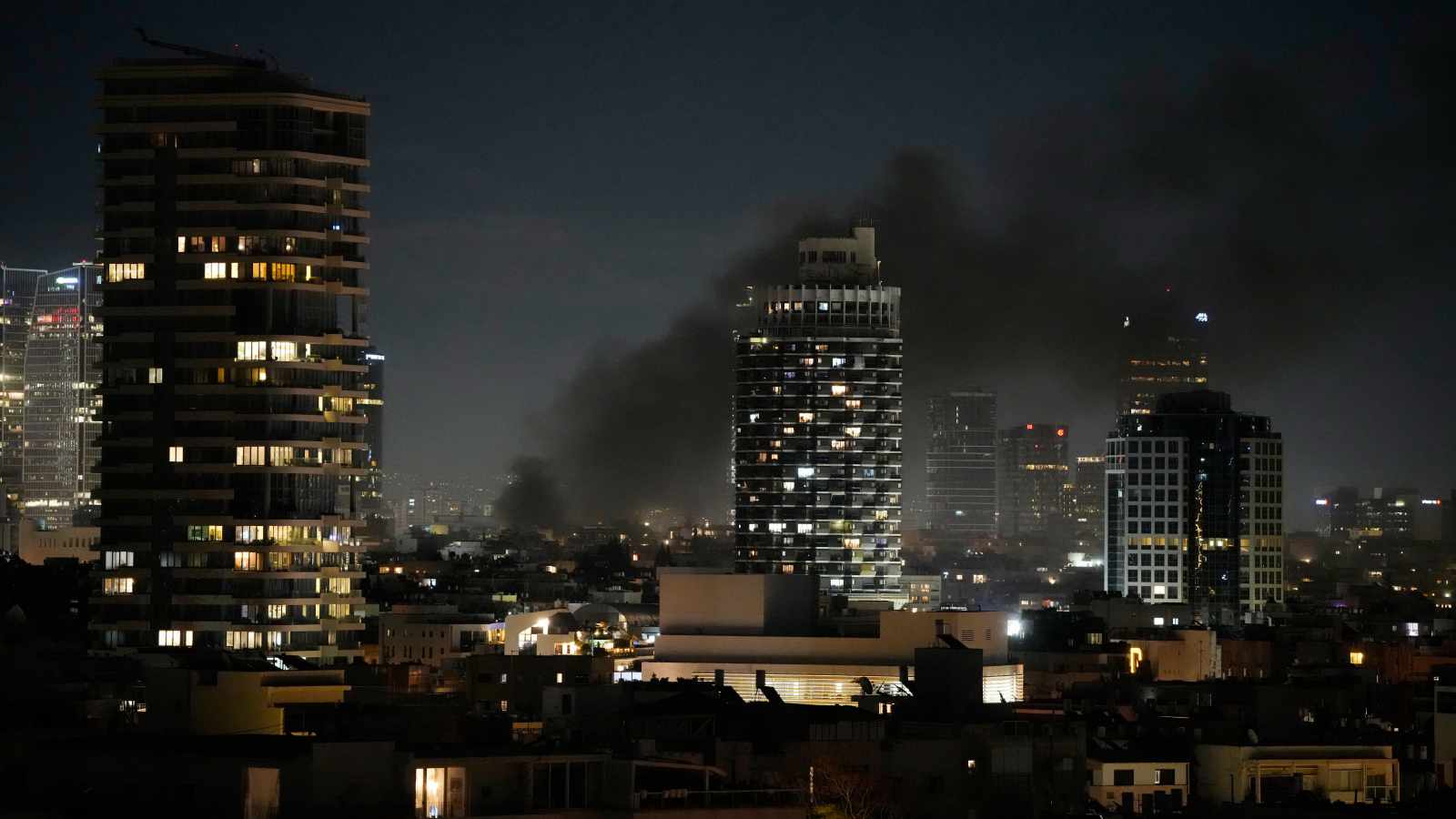
The strikes have established a new baseline where direct territory-to-territory attacks are now on the table. The "red lines" have been erased and redrawn in disappearing ink.
The mistake the "experts" make is assuming that Iran’s goal is a decisive military victory. It isn't. The goal is the preservation of the regime and the incremental exhaustion of American political will. Every time a strike happens and the US has to move a carrier strike group, the "pivot to Asia" dies a little more. Iran is playing a geopolitical game of "keep away," using Israel as the tether.
The Brutal Reality of the Proxy Network
You’ll hear that Iran is "weakening" because its proxies are being hit. This is a misunderstanding of how the "Axis of Resistance" functions.
The IRGC doesn't view Hezbollah or the Houthis as subordinates to be protected. They view them as "ablative armor." Like the heat shield on a space capsule, these groups are designed to be burned away to protect the core.
- Hezbollah: The specialized deterrent. They exist to ensure that if Tehran is touched, Northern Israel becomes uninhabitable.
- The Houthis: The economic disruptors. They prove that a few guys in sandals with Iranian blueprints can shut down 12% of global trade.
- The Militias in Iraq/Syria: The harassment layer. They keep US bases in a constant state of "duck and cover."
When the US strikes these groups, they aren't "degrading Iranian capability" in a meaningful way. They are just hitting the armor. The factory is still running in Isfahan.
Stop Asking "Who Won?"
The question "Who won the exchange?" is the hallmark of a mid-wit analysis. In the current framework, everyone wins and everyone loses simultaneously.
- Israel wins by demonstrating the absolute supremacy of its multi-layered defense tech.
- Iran wins by proving it can strike the "unreachable" territory and force a trillion-dollar coalition to scramble.
- The US wins by keeping the oil flowing (mostly) and preventing a regional conflagration during an election year.
But the reality is grimmer. The real loser is the concept of regional stability. We have entered an era of "permanent contingency."
If you are waiting for a "celebration" or a "counterattack" to signal the end of this chapter, you’re going to be waiting forever. This is the new operating system of the Middle East. It’s buggy, it’s violent, and it’s functioning exactly as intended by the men in the bunkers.
Stop watching the streets. Watch the flight paths. Watch the frequency hops. Watch the insurance premiums for tankers in the Strait of Hormuz. That’s where the war is being won, and it doesn't look anything like the evening news.
Burn the script that says this is about "revenge." It’s about the brutal, cold calculus of survival in a world where the old rules of engagement have been set on fire.
Don't look for an exit strategy. There isn't one. There is only the next calibration.