Walk into any suburban coffee shop in Frisco or Plano, Texas, and you'll find yourself at the epicenter of a massive economic shift. The Dallas–Fort Worth metroplex has exploded over the last decade, largely fueled by a massive influx of high-earning tech professionals. Many of them arrived on H-1B visas from India.
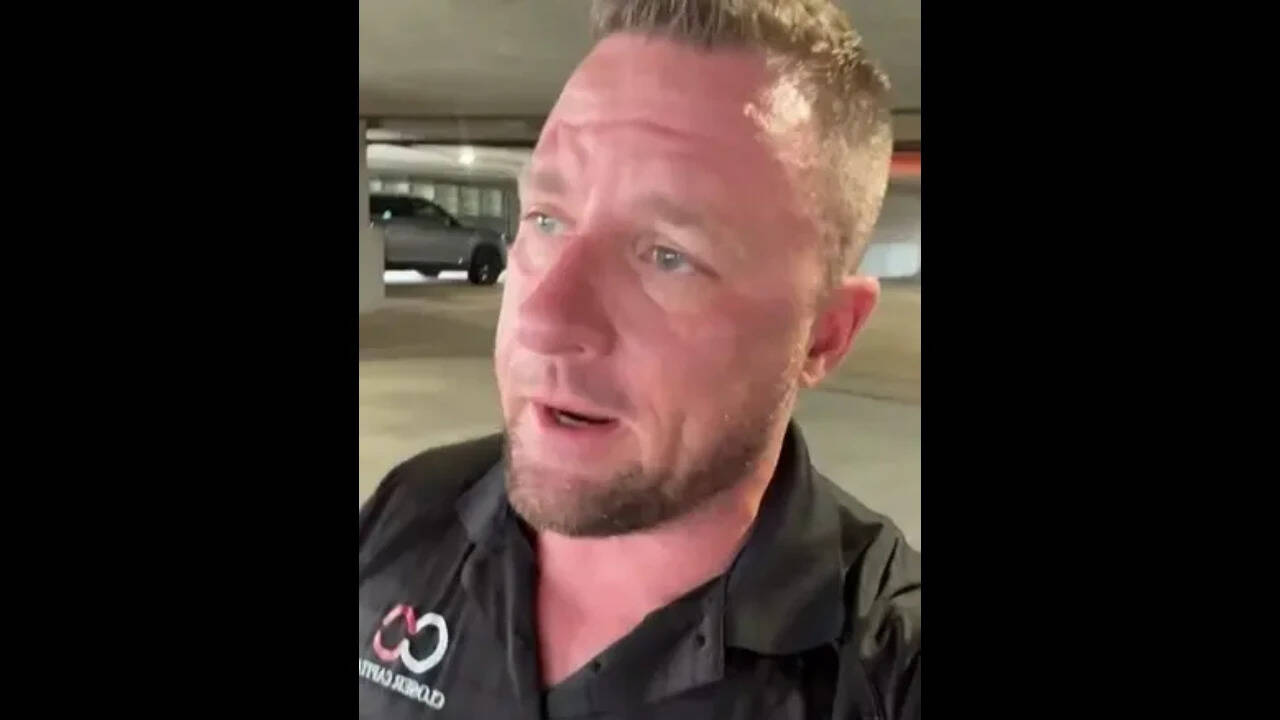
Recently, this demographic shift sparked a viral debate across the internet. It started when Texas-based entrepreneur and CEO Ryan Stewman posted a blunt garage video defending the local Indian-American community. Stewman, an open supporter of "America First" policies, shifted his stance after looking closely at the economic and social realities in his own backyard.
His take was simple. If you kick out the high-earning tech workforce, you ruin the local economy and ruin the safety of the neighborhood.
The Myth of the Neighborhood Takeover
For months, social media forums and local city council meetings in North Texas have simmered with tension. Critics frequently complain about a "takeover" of the tech corridor, blaming high-earning immigrant families for driving up housing prices and altering the suburban culture. Some local online influencers even leveled unsupported accusations about housing and leasing scams targeting specific master-planned communities.
Stewman tackled these complaints directly, pointing out the absolute hypocrisy of celebrating tech layoffs or wishing for an exodus of H-1B visa holders.
The idea that driving out Indian tech workers will suddenly make suburban Texas real estate cheap for everyone else is an economic fantasy. Most of these professionals pull down solid six-figure salaries. If they leave, the local housing market won't suddenly become affordable for low-income buyers. Instead, you just drain the community of its highest tax-paying, lowest-crime demographic.
Crime Statistics and Economic Reality
The core of the viral debate centers on community safety and civic value. Stewman made waves by stating that in his experience living in Frisco, the Indian community commits virtually zero crime, describing them as non-violent and deeply non-confrontational.
While saying any group commits "zero crime" is a statistical hyperbole, the broader point holds up under scrutiny. Academic research and census data consistently show a massive correlation between high educational attainment, high income levels, and incredibly low rates of violent crime.
Look at the numbers from organizations like SafeWise, which regularly ranks North Texas suburbs like Trophy Club and Frisco among the safest cities in the state. These rankings don't happen by accident. They happen because the local economy is anchored by corporate headquarters and highly educated families who move to the area specifically for corporate jobs and top-tier public school districts.
The economic trade-off of forcing out this demographic is a massive risk. If you actively root for the departure of people who contribute heavily to the local tax base, you jeopardize the funding that keeps local police departments, infrastructure, and schools running at an elite level.
The Skill Gap in American Education
There is a glaring issue that critics of high-skilled immigration refuse to face. American students simply aren't filling the seats in advanced engineering and medical programs at the rate required by major enterprises.
The domestic talent pipeline for hardcore STEM disciplines is hurting. While domestic enrollment in humanities programs continues to fluctuate, international tech talent bridges the massive gap left by the domestic school system. Tech companies don't recruit globally because they want to deal with the bureaucratic nightmare of visa sponsorships. They do it because they need people who can actually write the code, manage the databases, and keep the infrastructure secure.
Trying to run a modern economy while alienating your entire engineering workforce is a quick way to lose the global tech race.
Moving Beyond Online Rhetoric
Suburban growth always brings friction. It is easy for people to complain on social media about shifting neighborhood demographics or cultural changes. However, running an economic strategy based on online resentment is a recipe for regional decline.
If you want to maintain safe neighborhoods and thriving local businesses, you need a high-income populace that respects local laws and invests in the community. Turning on the precise group of people driving that prosperity makes zero sense.
The path forward requires local leaders and residents to focus on real integration and infrastructure scaling rather than falling prey to divisive rhetoric. Stop looking at your neighbors as demographic statistics or political talking points. Start looking at the actual value they bring to the local economy, the safety of your streets, and the future of American innovation.