Football clubs aren't just sports teams anymore. They're prime real estate for the planet's richest tech moguls.
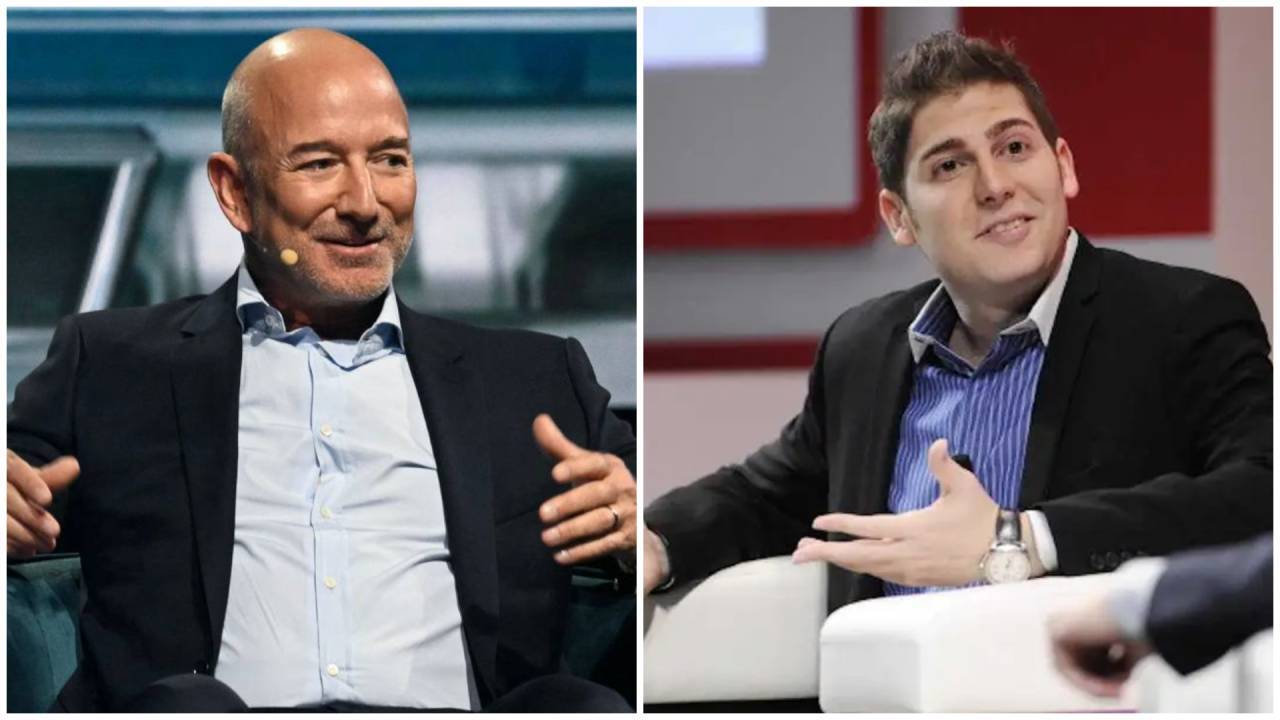
Fenway Sports Group controls Liverpool Football Club, but they aren't looking to sell the whole house. Instead, they're entertaining a massive minority stake led by businessman Amit Bhatia. Behind this bid lies an extraordinary roster of heavy-hitting names. Reports indicate that Amazon founder Jeff Bezos and Facebook co-founder Eduardo Saverin have both been approached to join the syndicate.
Valuations for top-flight English teams have skyrocketed. If this deal goes through, it values Liverpool at billions, placing it right alongside the most expensive transactions in sports history. You might wonder why tech titans with fortunes exceeding nine figures suddenly want a piece of Anfield.
The Anatomy of the Billionaire Syndicate
Building a football consortium isn't about writing a quick personal check. It takes a carefully structured financial vehicle. Amit Bhatia, former chairman of Queens Park Rangers and son-in-law of steel tycoon Lakshmi Mittal, is spearheading the effort to secure roughly a thirty percent stake in the Merseyside club.
To fund an acquisition of this scale, you need deep pockets. That explains why the group reached out to Eduardo Saverin. Saverin sits on a fortune estimated above twenty-four billion pounds according to Bloomberg indices and runs B Capital Group, a venture firm focused on tech startups. He isn't a novice to football ownership politics either. He previously backed an unsuccessful bid to acquire Chelsea FC back in 2002.
Then you have Jeff Bezos. With a net worth dwarfing most nations' GDPs, Bezos has occasionally sniffed around professional sports, previously expressing interest in NFL franchises like the Washington Commanders. Getting approached to anchor a Premier League investment group fits a broader trend. Tech billionaires want marquee sports assets that double as global media properties.
Why FSG Wants Partners Now
Fenway Sports Group bought Liverpool back in 2010 for a modest three hundred million pounds. Fast forward to today, and that asset has multiplied in value many times over.
Selling a minority stake lets FSG cash in on part of that incredible appreciation without giving up operational control. Past history proves this playbook works. FSG previously sold a ten percent stake to RedBird Capital Partners and another slice to Dynasty Equity to wipe out pandemic-era debt.
Bringing in high-net-worth investors like Bezos or Saverin injects instant financial muscle. It ensures the club can compete with state-backed rivals in the transfer market without relying solely on organic revenue or incurring heavy debt burdens.
What This Means for Fans
When tech founders buy into historic institutions, supporters get nervous. You hear chatter about corporate rebranding or digital ticketing overhauls.
Truthfully, a minority stake changes very little on the pitch tomorrow. FSG remains at the wheel. Day-to-day football operations stay with the managers and sporting directors. Billionaires like Saverin usually operate with a hands-off financial approach, treating the club as a trophy asset and a long-term yield vehicle rather than a hobby they micro-manage.
The deal isn't finalized yet. Negotiations of this magnitude take months of legal wrangling and regulatory checks. Whether Bezos or Saverin ultimately sign on the dotted line remains to be seen. One thing is certain. English football has officially entered an era where only the ultra-wealthy tech elite can afford to play at the very top.