The roar inside the stadium wasn't just noise; it was a physical weight pressing down on the chest of a man who looked like he hadn't slept in weeks.
Lionel Scaloni stood on the touchline, eyes fixed on the grass beneath his boots. The final whistle had blown. A journey that started in doubts, heavy with the phantom shadows of past failures, had brought Argentina to the pinnacle once again. Yet, as the cameras panned to the man who orchestrated it all, there were no chest-thumping celebrations. No frantic sprints across the field.
Just a quiet, overwhelming gratitude.
When Scaloni stepped up to the microphone after the match, his words carried the tone of someone who had survived a storm rather than merely won a football match. "Eternal gratitude to these boys who made it to the final," he said. His voice cracked slightly under the strain of raw emotion. It was a simple sentence. But behind those nine words lay years of quiet desperation, public skepticism, and the relentless pressure of an entire nation's hope.
To understand why a manager would focus so intensely on gratitude rather than glory at the moment of ultimate achievement, you have to look at the human cost of wearing the albiceleste.
Imagine standing on a pitch in Buenos Aires as a young kid, kicking a scuffed leather ball against a brick wall until the sun goes down. In Argentina, football isn't a pastime. It is a religion, a lifeline, and a burden passed down through generations. When you put on that blue and white jersey, you aren't just playing a sport. You are carrying the collective ego, joy, and heartbreak of forty-five million people.
For years, that weight crushed generational talents. Lionel Messi carried it like an anvil on his shoulders, facing brutal criticism every time the national team fell short in a final. The narrative was unforgiving. Second place wasn't an achievement; it was an national tragedy.
Then came Scaloni.
When he was appointed as head coach in 2018, critics scoffed. He was an inexperienced assistant, a placeholder while the federation searched for a "real" manager. The media questioned his credentials. The fans were dubious. He was stepped into a house that felt perpetually on the verge of burning down.
Instead of trying to be a tactical dictator, Scaloni did something radically human. He listened. He built a fortress not around a rigid system, but around trust and mutual respect. He took the pressure off Messi by surrounding him with players who were willing to run through brick walls for the team—and for each other.
Consider what happens when a group of elite athletes stops playing for individual contracts or personal brand deals, and starts playing for the guy standing next to them. The dynamic shifts entirely. Football becomes visceral again.
That shift was evident in every minute of their run to the final. It wasn't always pretty. There were moments of agonizing defense, tactical dogfights, and heart-in-mouth extra time periods. But the underlying spirit remained unbreakable.
When Scaloni spoke of "eternal gratitude," he wasn't offering generic media platitudes. He was acknowledging the sheer agony and sacrifice required to reach that stage. He saw the bruised ankles in the training room, the sleepless nights spent analyzing film, the agonizing distance from families during month-long camps, and the psychological fortitude needed to walk out onto that pitch knowing that a single mistake would be replayed for decades.
Reaching a final isn't just about tactical brilliance or raw physical talent. It is about emotional endurance.
In a world obsessed with trophies, statistics, and immediate gratification, Scaloni's post-match reaction serves as a quiet reminder of what actually matters. The trophy sits in a cabinet. The medals gather dust. But the bond forged through shared suffering and triumph—that intangible sense of brotherhood—lasts forever.
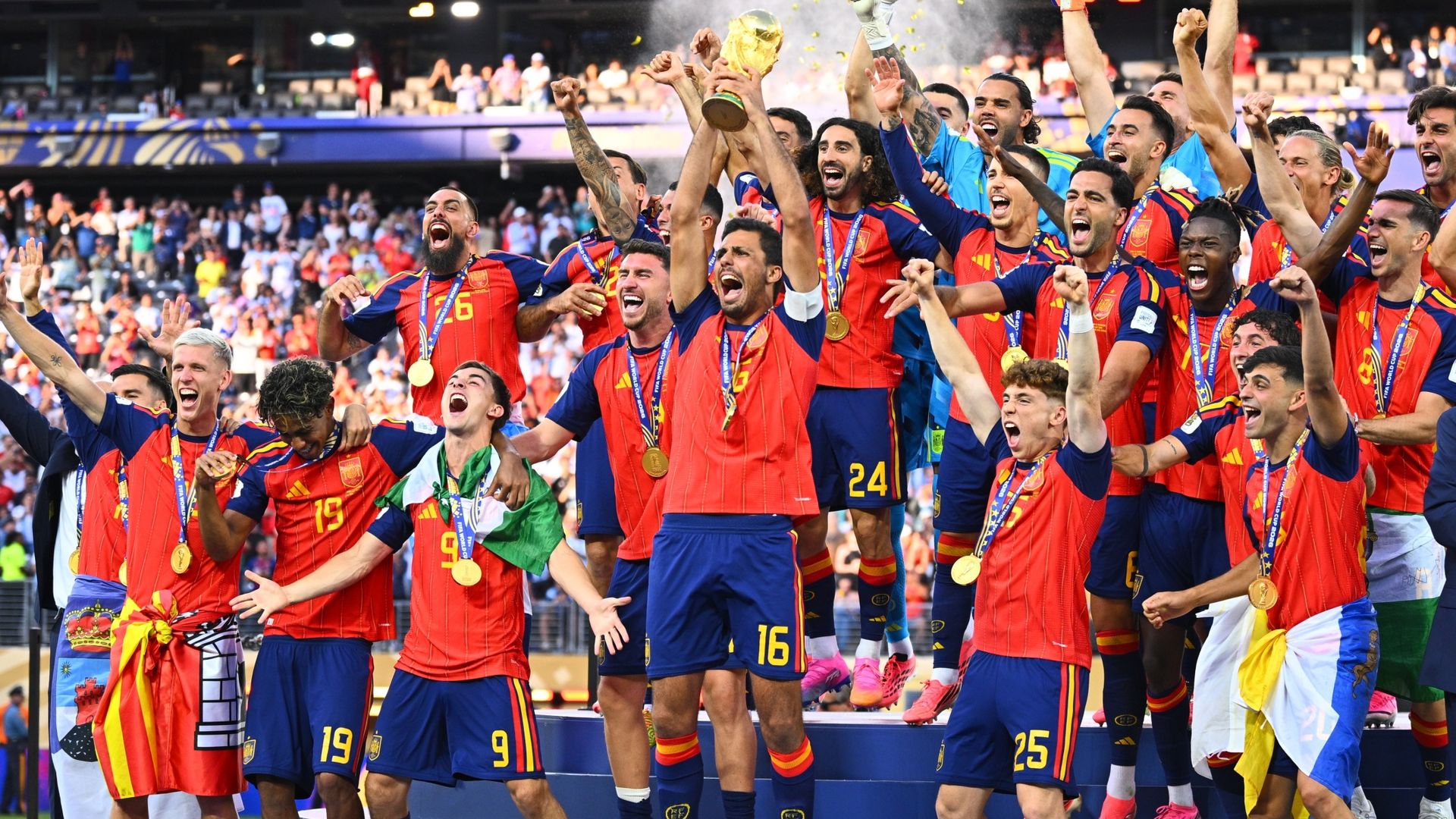
As the squad celebrated around him, dancing and lifting the manager into the air, Scaloni finally allowed a smile to break through the exhaustion. He had taken a fractured footballing culture and healed it from the inside out. He didn't do it by pretending the pressure wasn't there. He did it by carrying it together with his players.
The story of the albiceleste isn't defined merely by the victories recorded in history books. It is defined by the human willingness to keep showing up, to face the impossible expectations, and to offer eternal thanks to those who walked through the fire with you.