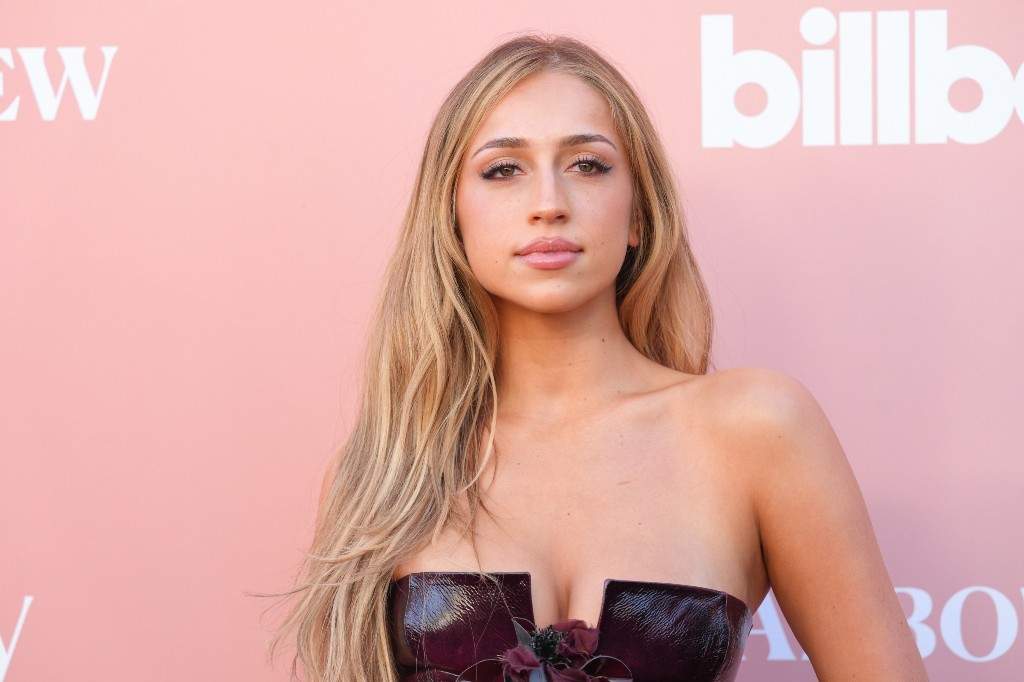
The ink is dry on the mutual permanent protective orders between Taylor Frankie Paul and Dakota Mortensen, and the internet is doing exactly what it always does: misinterpreting a legal firebreak as a moral victory.
The media loves the word "toxic." It’s a cheap, catch-all descriptor that allows the public to consume domestic chaos like it’s a scripted sitcom. But calling the Paul-Mortensen saga toxic is a lazy deflection. What we are actually witnessing isn't just a broken relationship; it is the inevitable byproduct of the Attention Economy’s collision with the Legal System.
The judge didn’t just grant a protective order. The court essentially issued a cease-and-desist to a cycle of performative trauma that has been monetized since the first TikTok "Soft Launch."
The Myth of the Mutual Victim
Standard tabloid coverage frames mutual protective orders as a "sad end to a rocky romance." That is a sanitized lie. In reality, mutual orders are often a tactical legal stalemate.
When both parties agree to stay away from each other under the threat of arrest, it isn't necessarily an admission of shared guilt. Often, it is a "Mutual Assured Destruction" pact. I have seen high-profile figures use these orders not for safety, but as a brand-reset button. If both parties are legally barred from interaction, the narrative stops leaking. The chaos is contained.
The public treats these orders like a scoreline in a game. Who won? Who lost? You’re asking the wrong question. The real question is: Why do we treat a legal mechanism designed to prevent physical violence as a season finale for influencers?
The Monetization of Crisis
Taylor Frankie Paul didn't just exist in a relationship; she existed in a feedback loop. Every argument, every breakup, and every reconciliation was a content pillar.
- Step 1: Vaguepost about "healing" and "boundaries."
- Step 2: Trigger a surge in engagement through speculation.
- Step 3: Document the fallout to maintain the "authentic" brand.
This isn't just "drama." It is a business model. When your livelihood depends on your personal life being public, "privacy" becomes a liability. The protective order is the only way these individuals can stop the machine without losing face. It provides a court-mandated reason to stop posting, which is the only thing more powerful than the algorithm's demand for more.
Domestic Violence is Not a Subplot
Here is the part where the logic gets uncomfortable. By turning the Paul-Mortensen legal proceedings into a spectator sport, the audience trivializes the mechanics of domestic abuse.
The legal threshold for a protective order in Utah involves proving "abuse" or "domestic violence" has occurred or is imminent. When we treat these orders as "juicy gossip," we strip the legal definitions of their weight. We are training a generation of viewers to believe that police intervention and restraining orders are just another way to "clout chase" or settle a lovers' quarrel.
The court doesn't care about your TikTok views. The court cares about the Utah Cohabitant Abuse Act.
We see the "toxic" label used to describe everything from a mean text to a physical assault involving a metal chairs. By flattening these behaviors into a single category of "influencer messiness," we ignore the very real, very dangerous Escalation Ladder.
The Escalation Ladder in the Public Eye
- Emotional Volatility: Marketed as "passion."
- Public Shaming: Marketed as "transparency."
- Physical Altercations: Marketed as "a mistake."
- Legal Intervention: Marketed as "closure."
If you are waiting for a "hero" to emerge from this court ruling, you will be waiting forever. There are no heroes in a mutual protective order. There are only survivors of a cycle that the audience helped fund with every click and share.
The "Momtok" Delusion
The obsession with Taylor Frankie Paul is rooted in a specific brand of voyeurism. The "Momtok" community thrives on the juxtaposition of pristine, curated lifestyles and absolute moral wreckage.
We want the white kitchen cabinets, the perfectly curled hair, and the Stanley cups—but we also want the mugshots. This cognitive dissonance is why the "toxic" label is so popular. It allows the viewer to feel superior while still consuming the content.
"I would never act like that," says the person who just spent three hours scrolling through a stranger's trauma.
You aren't a bystander. You are the financier.
Why Privacy is Now a Luxury Good
The most radical thing Taylor Frankie Paul could do isn't getting a protective order; it’s disappearing. But she can't. The digital footprint is too deep, and the financial incentive to remain "relevant" is too high.
We have entered an era where the legal system is being used as a PR tool. A protective order serves as a definitive "The End" to a chapter that the influencer no longer knows how to write. It’s a way to outsource self-control to the state.
Stop Looking for "The Truth"
People keep asking: "What really happened?"
You will never know. The version of events presented in court is a legal strategy. The version presented on Instagram is a marketing strategy. The truth exists in the space between those two lies, and it isn't for you.
We need to stop asking if Taylor or Dakota is "the problem." The problem is a culture that rewards the externalization of every private agony. We have turned the courthouse into a content house.
The judge didn't solve a relationship. They simply built a wall between two people who proved they couldn't build one themselves.
If you think this is a resolution, you haven't been paying attention. This is just the intermission before the next pivot. The protective order isn't a sign of health; it's a symptom of a society that only recognizes a boundary when it's enforced by a sheriff.
Put down the phone. The spectacle is over, and you’re the only one still holding a ticket to a show that should have been cancelled years ago.