Modern commercial aviation operates on a foundational paradox. The extreme hardening of cockpit perimeters post September 11, 2001, effectively eliminated the exterior hijacking vector by creating an impenetrable physical barrier between the passenger cabin and the flight deck. However, this architectural countermeasure inverted the threat model. By sealing the cockpit against external intrusion, the system concentrated absolute operational control into a two-person interior dyad, inadvertently transforming the flight deck into an isolated environment vulnerable to internal actors.
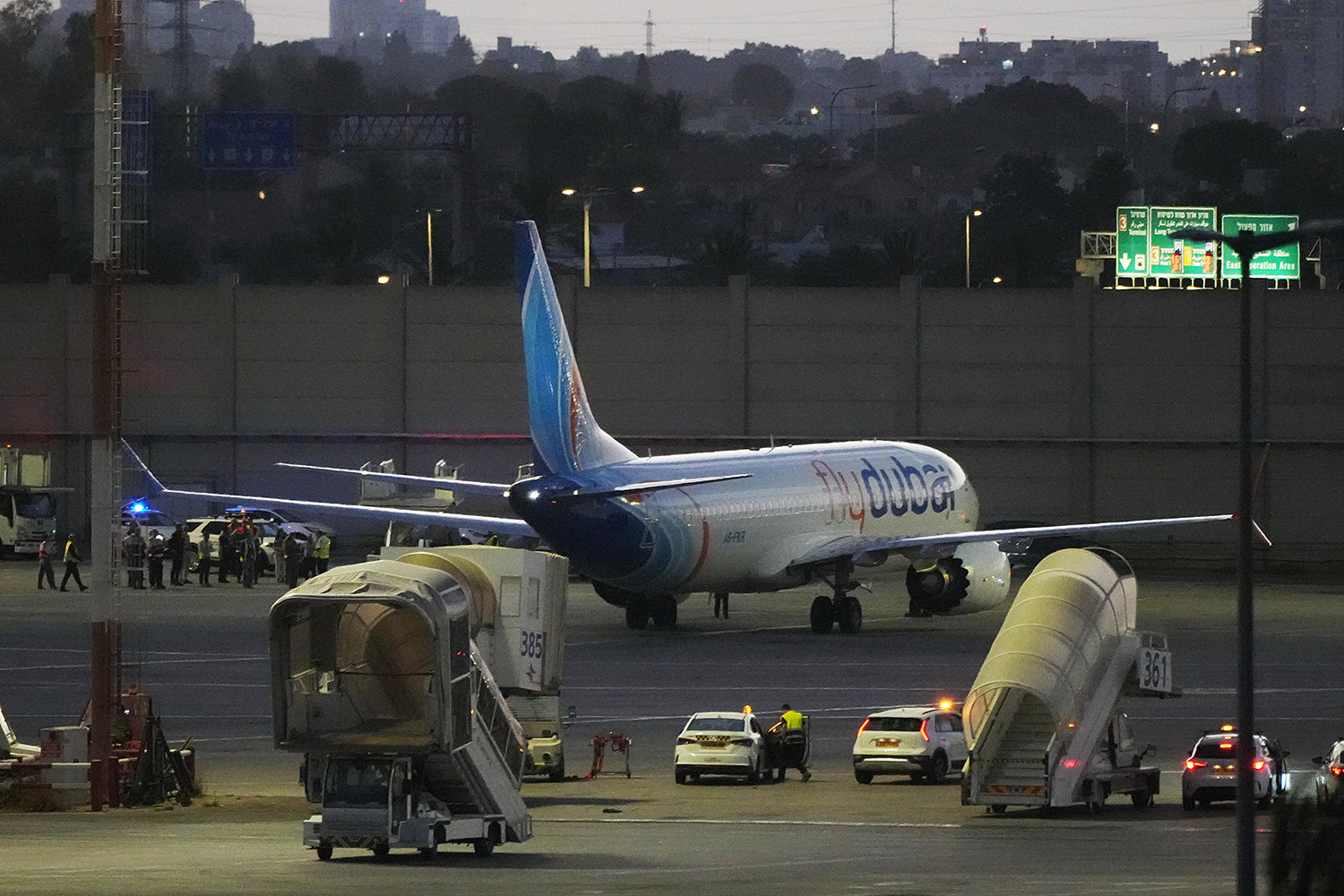
The incident involving Flydubai Flight 1073—wherein the first officer allegedly launched a physical assault on the captain using the mandatory cockpit crash axe while manipulating flight controls into a rapid descent—exposes the structural limitations of contemporary aviation security protocols. Deconstructing this event requires analyzing three core failure points: personnel vetting asymmetries, interior weaponization vectors, and the operational mechanics of multi-crew redundancy under catastrophic duress.
The Breakdown of Cross-Border Personnel Vetting
The primary vulnerability exploited in insider-threat scenarios is the fragmented nature of international background screening. Commercial air carriers operate across multi-jurisdictional frameworks, yet intelligence sharing regarding behavioral shifts, radicalization, or employment termination for cause remains siloed.
In the case of the Flydubai first officer, subsequent investigations revealed that prior institutional friction had occurred within regional carriers due to flagged extremist indicators, resulting in a lateral demotion to administrative duties before subsequent employment by another regional operator. This reveals a critical structural gap in the hiring pipeline:
- Judicial vs. Behavioral Screening: Standard background check architectures prioritize criminal convictions, financial defaults, or legal disqualifiers. They are structurally blind to ideological radicalization, mental health degradation, or behavioral anomalies that do not cross criminal thresholds.
- Cross-Border Information Friction: Privacy laws, geopolitical friction, and the absence of a unified global clearinghouse for aviation personnel vetting prevent seamless transmission of employment flags across national borders. When a pilot transitions between operators in different sovereign states, historical red flags frequently fail to transfer.
The Weaponization of Mandatory Safety Equipment
Aviation safety regulations mandate the inclusion of specific survival and emergency tools within the flight deck, chief among them the crash axe. Designed for post-crash egress or breaching jammed bulkheads, the crash axe represents an inherent physical risk when placed inside a confined workspace shared by compromised personnel.
This introduces a design contradiction within cockpit safety engineering. The same instrument maintained for emergency survival becomes an unmonitored kinetic weapon when access is unrestricted. Unlike firearms, which are subject to strict chain-of-custody protocols where applicable, standard emergency tools are treated as static fixtures. The presence of a heavy steel-headed cutting implement inside a hardened, isolated capsule creates an immediate single-point-of-failure risk if an insider actor decides to bypass cockpit door access controls. Mitigation requires re-evaluating the physical security of safety tools, implementing secure locking mechanisms that require dual-authorization to release, or replacing traditional bladed instruments with specialized non-lethal breaching technology.
The Mechanics of Multi-Crew Degradation and Recovery
Commercial flight decks rely on a two-person operational redundancy model designed to cross-check navigation, monitor systems, and prevent single-pilot incapacitation. When one member of that dyad becomes the threat vector, the entire operational logic of the cockpit collapses.
- Isolation of the Target: The physical reinforcement of the cockpit door, engineered to withstand external force, functions against the flight crew during an internal assault. The captain’s primary defensive mechanism—expelling the threat or escaping—is constrained by physical boundaries.
- Immediate Flight Path Destabilization: Sudden physical interference with flight controls combined with manual inputs (such as rapid altitude reduction) forces the remaining pilot into a dual-front crisis: physical self-defense and immediate aircraft stabilization.
- The Intercession Threshold: Because the cockpit door remains locked from the inside to protect against external threats, emergency intervention relies entirely on internal incapacitation of the aggressor or manual override by cabin crew. Flight 1073 was stabilized only because physical noise prompted cabin occupants to breach the barrier, followed by the intervention of deadheading pilots present in the passenger cabin.
Structural Recommendations for Systemic Hardening
Addressing the insider threat vector requires moving beyond reactive security measures toward continuous behavioral monitoring and architectural redesign.
First, background verification must evolve from a static, point-of-hire checkpoint into a dynamic, continuous evaluation model. This entails integrating routine psychological check-ins, peer-reporting mechanisms shielded from administrative retaliation, and multilateral intelligence sharing among civil aviation authorities across regional blocs.
Second, the physical layout and equipment profile of the flight deck must undergo a rigorous engineering review. Storing high-kinetic tools within open reach inside a hermetically sealed environment is an unacceptable design flaw. Implementing tamper-evident, electronically coded release bays for emergency tools ensures that equipment required for crash survival cannot be prematurely accessed for hostile intent.
Finally, emergency access protocols for fortified doors must account for the rare but catastrophic scenario of internal pilot incapacitation or assault. While returning total control capability to the cabin introduces external hijacking vulnerabilities, automated sensor arrays capable of detecting sudden interior trauma, erratic flight profile deviations, or distress signals can trigger automated override sequences or ground-controlled intervention pathways. The security of the skies depends less on pretending human actors are infallible and more on building systems resilient to internal fracture.