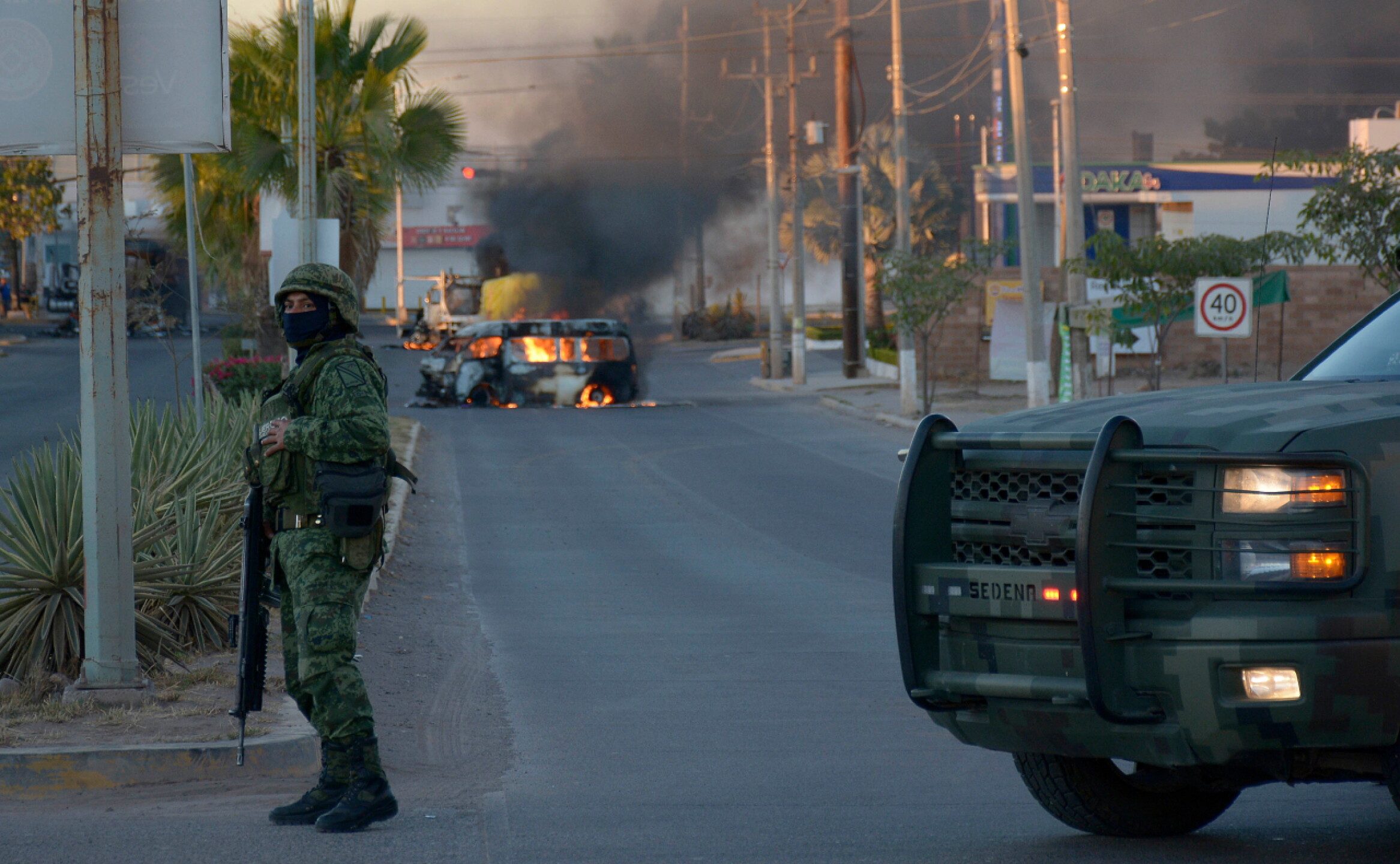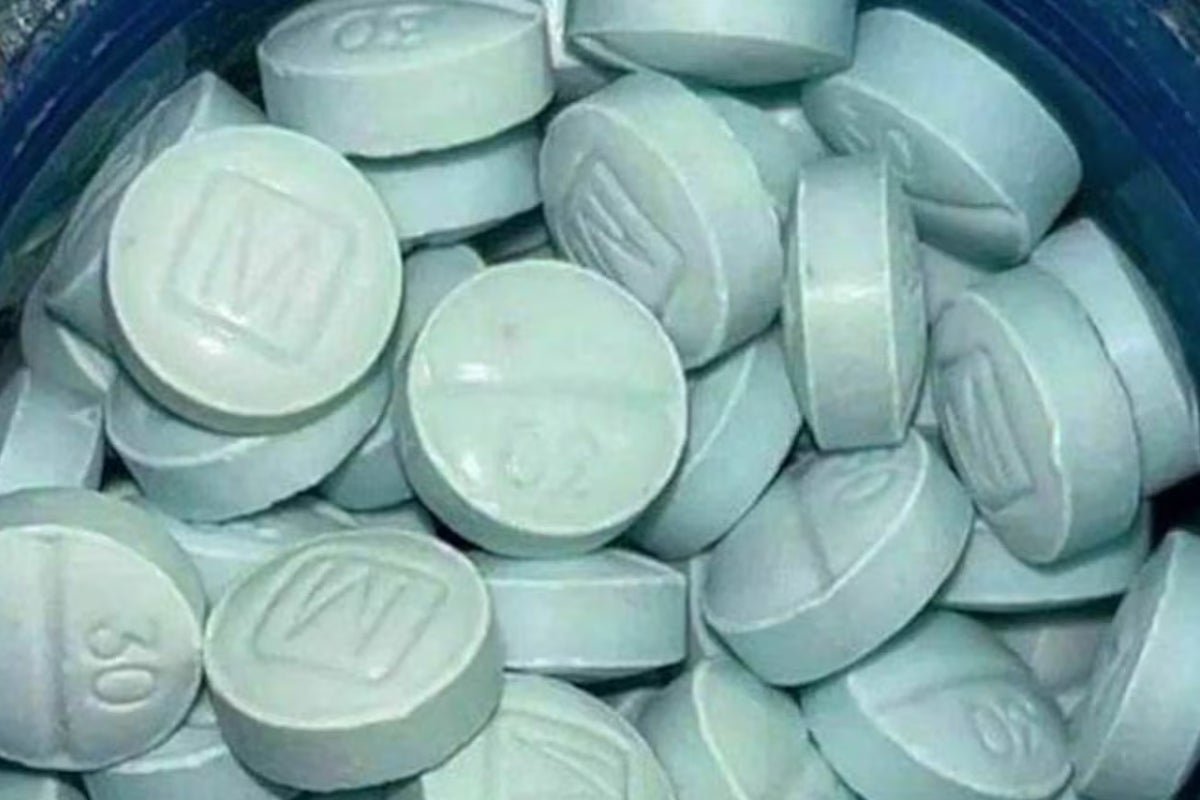
Louisiana is not a "hotspot" for a mystery drug. It is a mirror for a failed strategy.
Whenever a new synthetic compound hits the illicit market, the media playbook is predictable. They find a scary name—in this case, nitazenes—and slap on a "10 times stronger than fentanyl" sticker. They count the bodies, interview a grieving family, and suggest that we are facing a brand-new monster. This narrative is lazy. It is also dangerous. By focusing on the potency of a specific molecule, we ignore the economic engine that puts it there.
The "mystery" isn't why people are dying. The mystery is why anyone expected anything else to happen.
The Iron Law of Prohibition
If you want to understand why nitazenes are showing up in New Orleans or Baton Rouge, stop looking at chemistry and start looking at economics.
Richard Cowan coined the "Iron Law of Prohibition" decades ago. It is a simple, brutal reality: the more intense the law enforcement, the more potent the drugs become. When you squeeze the supply chain, the market moves toward high-potency, low-volume substances. They are easier to hide, easier to transport, and offer a higher profit margin per gram.
We saw this when the market moved from opium to morphine, then from morphine to heroin. We saw it again when heroin was replaced by fentanyl. Now, as fentanyl becomes the primary target of interdiction, the market is naturally shifting to "tonitazene," "isotonitazene," and other "Z-drugs."
Calling these drugs a "mystery" implies they are an anomaly. They aren't. They are the inevitable outcome of our own policy. We have created a biological arms race where the prize for winning is a more lethal dose.
Potency is a Distraction
The headline "10 times stronger than fentanyl" is designed to trigger a fight-or-flight response. It makes the drug sound like a supernatural villain. But in a clinical or even a street setting, potency is a math problem, not a moral one.
$Potency \neq Lethality$
If a substance is 10 times stronger, you simply use 10 times less of it to achieve the same effect. The danger doesn't come from the molecule itself; it comes from the variability.
When a user buys a bag on a street corner in Louisiana, they aren't participating in a controlled lab experiment. They are participating in a game of Russian Roulette where the manufacturer didn't have a scale accurate to the microgram. Because these substances are synthesized in clandestine labs and cut with fillers by three different middlemen before they hit the street, the "hot spot" isn't a geographic location. It’s a literal hot spot in the powder—a clump of undiluted synthetic that is enough to stop a heart.
By focusing on how "strong" the drug is, we give the impression that if we could just get back to "weak" drugs, the crisis would end. It won't. The crisis is the lack of quality control, which is the hallmark of any black market.
The Naloxone Myth
The current outcry over nitazenes often includes the terrifying claim that they are "Narcan-resistant." This is a fundamental misunderstanding of pharmacology.
Naloxone (Narcan) is a competitive antagonist. It works by "bumping" opioids off the receptors in the brain. If a drug is more potent, you don't necessarily need a "stronger" Narcan; you may just need more of it, or you need to administer it faster.
- Affinity: How tightly the drug grips the receptor.
- Half-life: How long the drug stays in the system.
Nitazenes often have a higher affinity and a different half-life than fentanyl. This means one dose of Narcan might not be enough, or the person might slip back into an overdose after the first dose wears off.
The media frames this as the drug "defeating" our medicine. In reality, it means our response protocols are outdated. We are fighting a 2026 problem with a 2010 mindset. We tell people to carry Narcan, but we don't tell them they might need four doses and a rescue breather to keep someone alive when these synthetics are involved.
Stop Tracking Deaths and Start Tracking the Supply
Louisiana officials are touting the "41 deaths" figure as a metric of the drug's spread. This is a lagging indicator. By the time someone ends up in the morgue and the toxicology report comes back months later, the batch that killed them is long gone, and the market has moved on to the next chemical variation.
If we actually wanted to save lives, we would stop obsessing over the body count and start obsessing over the chemistry before it hits the blood.
We need mass-scale, low-barrier drug checking. Not just "fentanyl test strips," which are increasingly useless as the market moves toward nitazenes and xylazine. We need FTIR (Fourier-Transform Infrared) spectroscopy in every neighborhood. We need to give people the ability to know exactly what they are about to put in their bodies.
The "just say no" crowd hates this because it looks like "enabling." I’ve spent years looking at the data from cities that actually implement harm reduction. Enabling is a moral term, not a medical one. If someone is dead, you can't treat their addiction.
The False Comfort of Increased Penalties
Louisiana’s response, like many other states, is to lean into harsher sentencing for "dealers" found with these new synthetics. This is the ultimate "lazy consensus."
The people being arrested with these bags are rarely the kingpins. They are low-level distributors, often users themselves, who are just as clueless about the chemical makeup of the product as the person buying it.
When you arrest a dealer, you create a job opening. In a high-demand market, that opening is filled within hours. Often, the new dealer is less experienced, more desperate, and more prone to violence or sloppy mixing.
Harsher penalties don't shrink the market; they make it more volatile. They drive the trade further underground, making it harder for health officials to track and harder for users to seek help.
The Industry of Fear
There is a whole ecosystem that profits from the "Mystery Drug" narrative.
- Media Outlets: Fear drives clicks. "Hotspot for mystery drug" gets more traffic than "Predictable market shift due to interdiction."
- Politicians: It's easier to pass a "tough on crime" bill than it is to fund a complex, multi-year mental health and housing initiative.
- Law Enforcement: New "super-drugs" justify bigger budgets, more gear, and specialized task forces.
None of this actually reduces the number of funerals.
The Brutal Truth
We are looking for a "solution" to nitazenes as if they are a virus we can vaccinate against. They aren't. They are a symptom.
The synthetic era is here to stay. We have figured out how to make high-value narcotics in a lab without the need for poppy fields or favorable weather. You cannot "seize" your way out of a problem where the lab can be the size of a walk-in closet and the recipe can be tweaked every time a specific molecule is banned.
The only way to disrupt this cycle is to address the demand and regulate the supply. Everything else is just theater.
We can keep acting surprised every time a new "hotspot" emerges, or we can admit that as long as we maintain a prohibitionist framework, the drugs will only get stronger, the "mysteries" will only get more frequent, and the body count will keep climbing.
The monster isn't the drug. It’s the system that demands the drug be as lethal as possible to remain profitable.
Stop acting like you didn't see this coming.