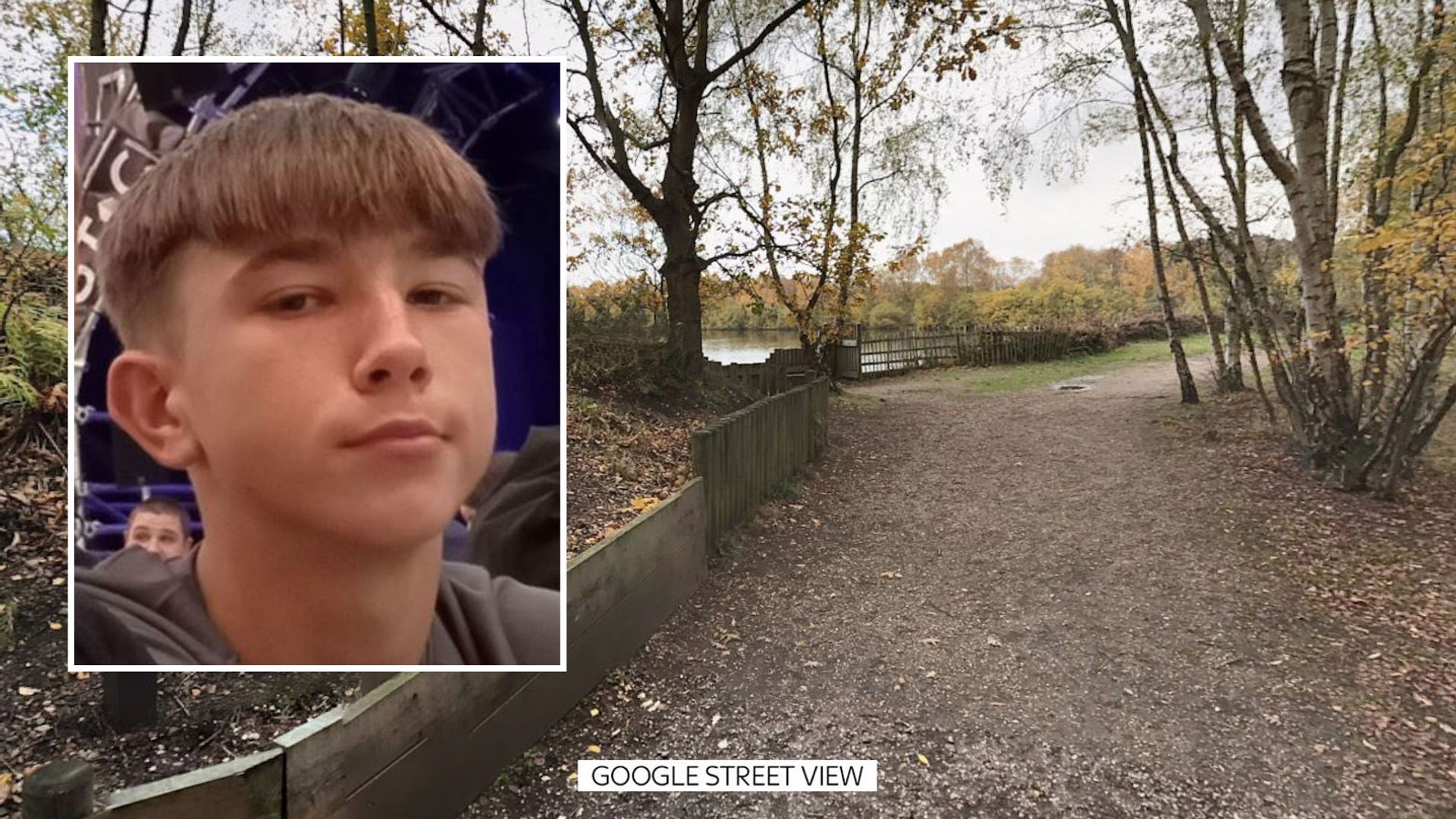
Open water calls to us on hot days. It looks serene. It looks refreshing. But beneath that calm, glassy surface of your local lake lies a set of physical realities that most swimmers completely ignore until it's too late. The tragic drowning of a teenage boy recently brought this issue back into the headlines, serving as a brutal reminder that natural bodies of water do not play by the same rules as backyard pools.
When a tragedy like this happens, the immediate reaction is often shock. People wonder how a strong, healthy teenager could slip under the water so quickly without a fight. The truth is that lake swimming demands a totally different level of physical respect than a chlorinated pool. Meanwhile, you can read similar stories here: The Anatomy of Containment Failure: Structural Bottlenecks in the Central African Bundibugyo Ebola Outbreak.
You need to understand what actually happens to a human body in open water. It isn't always about swimming ability. Often, it's about physics, physiology, and biology working against you simultaneously.
The Silent Killer Most Swimmers Ignore
Cold shock is real, and it doesn't care how tough you are. Even in the peak of summer, surface water temperatures can be incredibly deceiving. A lake might feel warm near the shore where the sun beats down on the shallows, but step out twenty feet into deeper water and you will hit a thermocline. That's the sharp, sudden boundary layer where warm surface water meets the dense, frigid water below. To explore the bigger picture, we recommend the excellent report by Healthline.
When your body plunges into water below 70°F (21°C), your nervous system panics. It triggers an involuntary gasp reflex. If your head is underwater when that gasp happens, you inhale water immediately.
- Your heart rate skyrockets.
- Your blood vessels constrict.
- Hyperventilation sets in within seconds.
You can't control it. It's a hardwired survival mechanism that actually increases your risk of drowning. Data from the National Center for Cold Water Safety shows that sudden immersion in cold water can cause total loss of breathing control in less than sixty seconds. Strong swimmers drown in these scenarios because their muscles seize up before they can swim back to safety.
Hidden Structures and the Illusion of Depth
Pools have flat bottoms, painted lines, and clear visibility. Lakes have none of those things. What looks like a clear swimming hole could be a graveyard of submerged trees, discarded construction debris, or tangled weeds.
Entanglement is a massive risk that rarely gets talked about in standard safety briefings. Thick beds of aquatic vegetation like milfoil can wrap around a swimmer's legs. When you panic and kick harder, the weeds tighten.
Then there's the issue of drop-offs. Lake beds are notoriously uneven. A teenager walking along a shallow sandbar can take one step and suddenly plunge into a twelve-foot drop-off. If they aren't expecting it, the sudden loss of footing triggers panic. Panic leads to inefficient splashing, exhaustion, and sinking.
The Myth of the Drowning Scream
Pop culture has ruined our understanding of what drowning actually looks like. We expect splashing. We expect waving hands and shouting for help.
It doesn't happen that way.
According to the International Life Saving Federation, drowning is almost always a quiet, suffocating process. It's called the Instinctive Drowning Response. When a person is drowning, their body focuses entirely on breathing, not speech. Respiratory systems are designed for breathing first; speech is a secondary function. If you can't breathe, you can't call for help.
During a true drowning episode, a person's mouth sinks below the surface, reappears briefly, and sinks again. Their arms extend laterally to press down on the water, trying to leverage their mouth high enough to get oxygen. They cannot wave. They cannot grab a life ring thrown a few feet away because they have lost voluntary control of their motor movements.
To someone watching from the beach, a drowning teenager often looks like they're just playing or treading water. By the time onlookers realize something is wrong, the swimmer has vanished beneath the surface.
Microscopic Dangers in Warm Shallows
It isn't just the depth or the temperature that poses a threat. Warm, stagnant lake water during the late summer months creates a breeding ground for dangerous biological hazards.
Cyanobacteria, commonly known as blue-green algae, can bloom rapidly when water temperatures rise. These blooms release toxins that cause severe respiratory issues, neurological symptoms, and skin rashes. While an adult might just get sick, a younger swimmer who accidentally swallows this water can face severe medical emergencies.
Even rarer, but far more fatal, is Naegleria fowleri, the so-called brain-eating amoeba. It thrives in warm, fresh water. When water is forced up the nose—usually from diving or jumping into a lake—the amoeba can travel to the brain. It's almost always fatal. The Centers for Disease Control and Prevention (CDC) tracks these cases, and while they are statistically rare, the risk increases dramatically during hot spells when lake levels drop and water temperatures climb.
Rewriting the Rules of Lake Safety
We have to stop treating lakes like giant swimming pools. If you or your kids are going to swim in natural bodies of water, the standard safety advice isn't enough. You need a specific strategy for open water.
Use Designated Areas Exclusively
State parks and managed beaches exist for a reason. They map the bottom of the lake. They clear out submerged hazards and monitor water quality for bacterial blooms. Swimming in unmanaged, remote spots means you are guessing about what lies beneath you. Don't guess.
Wear the Vest Before You Need It
There is a weird stigma around life jackets, especially for teenagers and adults who think they know how to swim. It's stupid. A life jacket isn't a sign of a weak swimmer; it's insurance against cold shock and leg cramps. If you get hit with a sudden muscle cramp or a gasp reflex three hundred feet from shore, a life jacket keeps your airway above water when your muscles refuse to work.
Never Dive Headfirst
Never dive into water if you cannot see the bottom clearly. Period. Submerged rocks shift with currents and storms. A spot that was deep enough for a dive last summer might have a sandbar or a sunken log there today. Enter feet first, every single time.
Watch for the Silent Signs
Stop looking for splashing and shouting. Watch for swimmers whose heads are low in the water, mouths at water level. Look for eyes that are glassy, closed, or unable to focus. If someone is treading water but not making forward progress, yell out to them. If they don't answer, don't wait. Get help immediately.
Open water is beautiful, but it's indifferent to your swimming skill. Respect the temperature, acknowledge the hidden depths, and never let guard down for a single minute.