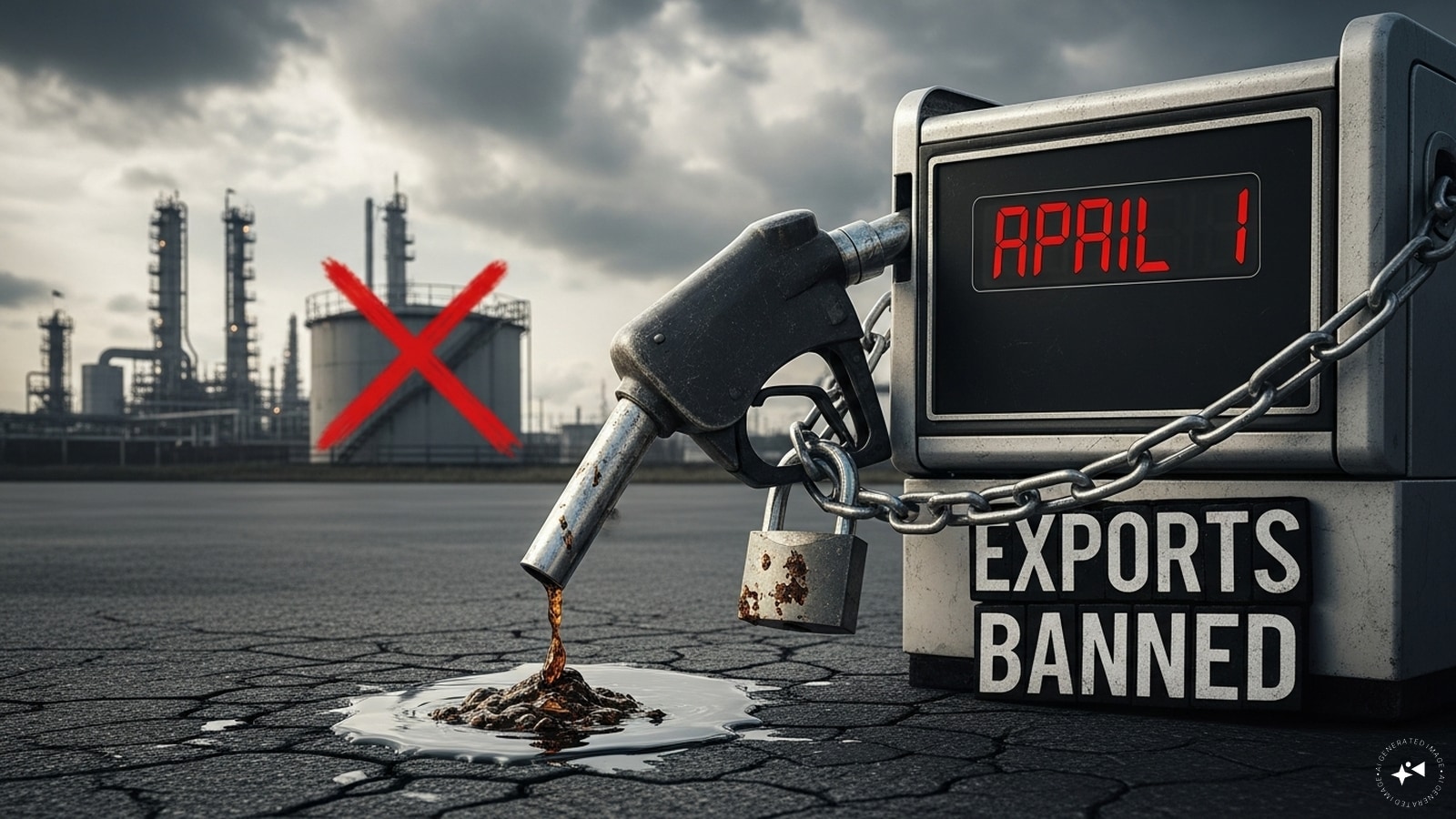
Comparing a regional kinetic conflict to a global respiratory pandemic is not just intellectually lazy; it is a dereliction of fiduciary duty.
Lately, the Australian business press has fallen in love with the "COVID 2.0" narrative. They look at the Red Sea, they see rerouted container ships, and they immediately reach for the 2020 playbook of panic. It’s a comfortable narrative for C-suite executives because it transforms a manageable logistical hurdle into an "act of God" that justifies missing targets, hiking prices, and blaming the ghost of global instability for their own stagnant operations.
Australia is not facing a repeat of 2020. We are facing the bill for twenty years of "just-in-time" fragility that nobody bothered to fix when the sun was shining.
The False Equivalence of Scale
Let’s dismantle the "COVID 2.0" myth with basic arithmetic.
In 2020, the world didn’t just have a shipping problem; it had a total systemic seizure. Factories in China closed. Labor in Australia stayed home. Demand for consumer electronics surged by 300% while the capacity to move them dropped to near zero. That was a black swan.
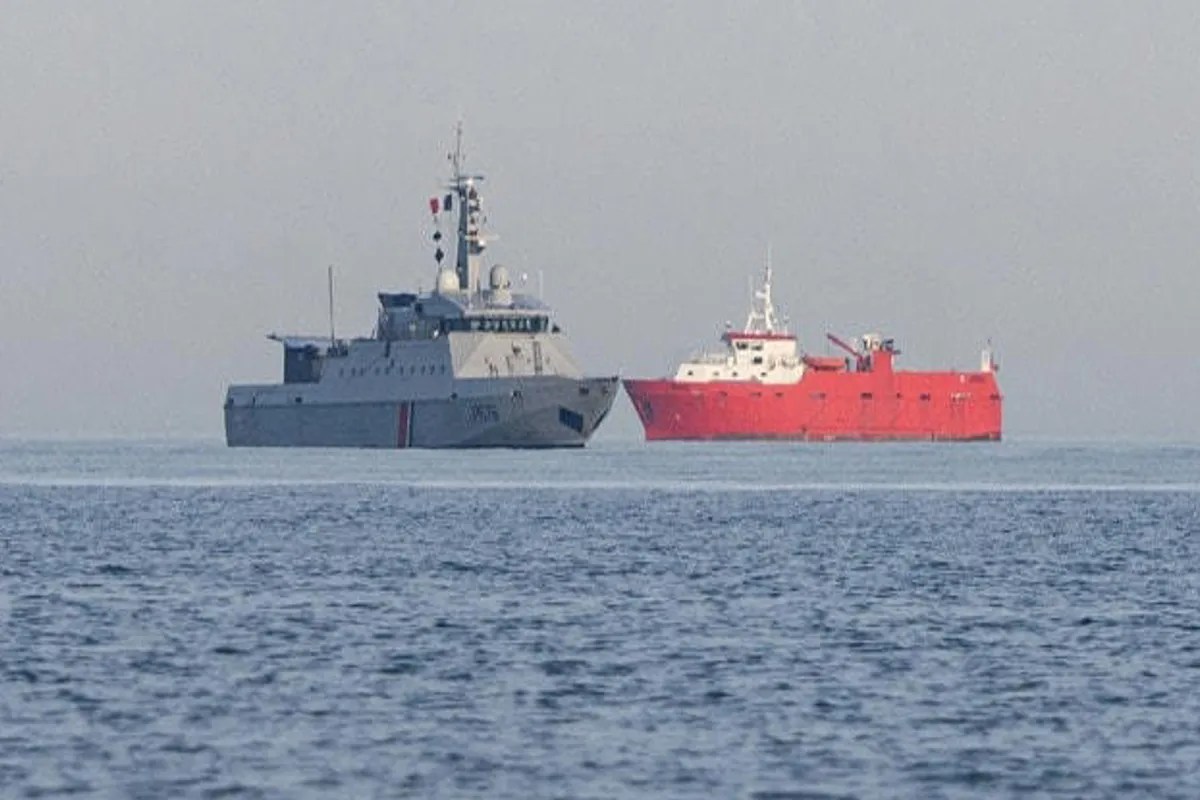
What we see now in the Middle East is a known variable. It is a localized geopolitical friction point. Yes, the Suez Canal is compromised for certain carriers. Yes, transit times around the Cape of Good Hope add 10 to 14 days to a voyage. But the ships are moving. The factories are humming. The "bottleneck" is a detour, not a dead end.
When a CEO tells shareholders that Middle Eastern instability is "the new COVID," they are hoping you don't know the difference between a blocked artery and a slightly longer commute. They are using tragedy as a hedge against their own lack of inventory diversity.
The Inflationary Lie
The most dangerous part of the COVID 2.0 narrative is its use as a cover for "greedflation."
During the pandemic, freight rates for a 40-foot container from Shanghai to Sydney peaked at astronomical levels, sometimes hitting $10,000 or more. Today, even with the Red Sea disruptions, we aren't seeing that vertical climb. We are seeing a manageable bump.
Yet, the Australian retail sector is already priming the pump for price increases. They cite "geopolitical risk" as a blanket tax on the consumer.
I have sat in boardrooms where the strategy is explicitly discussed: "How much of the Red Sea surcharge can we bake into the permanent RRP?"
It is a cynical play. By framing the conflict as a systemic collapse on par with a once-in-a-century pandemic, companies give themselves permission to maintain high margins while pointing the finger at Houthi rebels.
Australia’s Self-Inflicted Fragility
The real story isn't the war; it’s the fact that Australian industry learned nothing from 2020.
After the first round of lockdowns, the "lazy consensus" was that we would move toward "just-in-case" manufacturing. We were told there would be a "sovereign capability" revolution.
It didn't happen.
Instead, the moment the ports cleared in 2022, Australian firms went right back to the cheapest possible procurement models with the thinnest possible margins for error. We are a nation that imports 90% of our fuel and a staggering amount of our essential medicines.
If a two-week delay in a shipping lane causes a "crisis" in Australia, the problem isn't the shipping lane. The problem is the Australian business model. We have optimized for the best-case scenario and are now acting shocked that the world isn't a static, peaceful laboratory.
Why Resiliency is the New Competitive Edge (And Why You’re Failing at It)
Most Australian companies treat "risk management" as a compliance box to tick once a year. They hire consultants to write 200-page reports that no one reads.
True resiliency is expensive. It requires:
- Redundant Sourcing: Buying from Southeast Asia or South America even if it costs 15% more than the primary Chinese supplier.
- Buffer Stock: Holding three months of critical components instead of three days.
- Logistics Agility: Having the internal talent to pivot from sea freight to air-sea hybrids without needing a board meeting to approve the spend.
The reason your favorite electronics retailer or building supplier is crying "COVID 2.0" is that they refused to invest in any of these three things. They chose short-term dividends over long-term survival. Now, they want the public to sympathize with their "plight."
The Pivot to Protectionism is a Trap
There is a growing chorus in Canberra and Sydney calling for a return to aggressive protectionism as a response to these disruptions. This is the wrong lesson.
You cannot "onshore" your way out of a globalized economy. Australia lacks the scale, the labor pool, and the raw industrial base to manufacture everything it needs. The "Buy Australian" slogans are great for Sunday morning politics, but they are a nightmare for economic reality.
The solution isn't to build a wall around the island. The solution is to stop being a "passive price taker" in the global market.
Smart companies—the ones you don't hear complaining in the media—have already secured their lanes. They didn't wait for the Red Sea to flare up. They diversified their port entries. They utilized data-driven predictive modeling to see the spike coming in November and moved their inventory early.
Stop Asking if it’s COVID 2.0
If you are a business leader, stop asking if this is another pandemic-level event. The answer is no.
If you are an investor, start asking why the companies in your portfolio are so fragile that a rerouted ship breaks their earnings guidance.
The "COVID 2.0" narrative is a security blanket for the unimaginative. It is a way to avoid the hard work of re-engineering supply chains that were built for a world that no longer exists. The era of cheap, easy, and fast is over. We are now in the era of expensive, complex, and resilient.
If you can’t handle a 10-day delay in the Red Sea without declaring a national economic emergency, you shouldn't be running a major corporation. You’re not a victim of global events; you’re just bad at your job.
The conflict in the Middle East is a tragedy, a geopolitical firestorm, and a human rights disaster. But for the Australian economy, it is something much simpler: it’s a stress test.
And right now, most of you are failing.