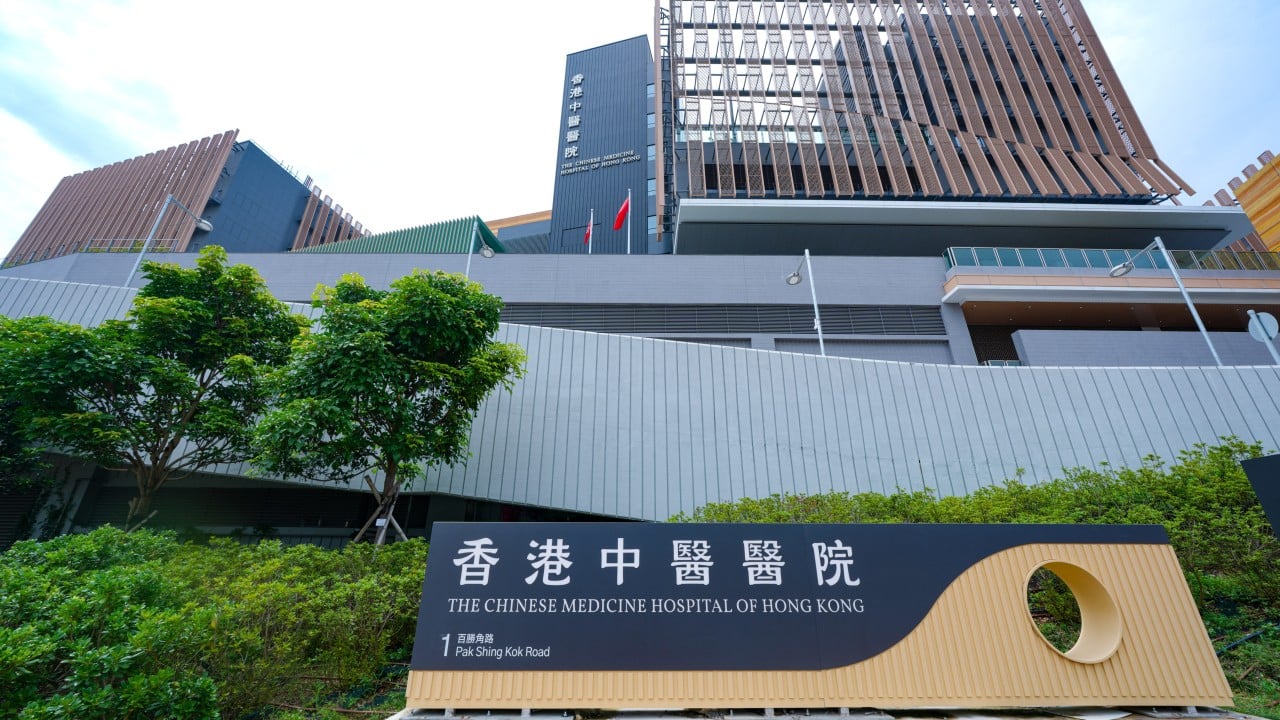
The transition of the Chinese Medicine Hospital of Hong Kong toward continuous twenty-four-hour inpatient operations represents a fundamental structural shift in public healthcare delivery. Integrating traditional institutional modalities into a heavily bureaucratized, allopathic acute care system requires resolving deep operational friction points. The December operational milestone is not merely a scheduling expansion; it is a stress test for resource allocation, clinical protocol standardization, and institutional co-existence.
Evaluating this scale-up demands moving past promotional narratives to examine the baseline operational mechanics. Public healthcare integration requires navigating systemic bottlenecks across staffing models, supply chain integrity for raw pharmacopeia, and bed-occupancy dynamics.
The Institutional Architecture and Resource Allocation Function
Scaling to a continuous operating model exposes acute constraints in human capital and specialized infrastructure. Public medical institutions in the region operate under severe practitioner scarcity, particularly regarding dual-qualified personnel fluent in both evidence-based diagnostic criteria and classical therapeutic frameworks.
The resource allocation function relies on a tripartite structure:
- Clinical Staffing Ratios: Continuous coverage mandates shift rotations that strain the existing pool of registered practitioners, forcing a reliance on phased recruitment or tiered supervision models.
- Supply Chain Continuity: Herbal pharmacopeia requires strict standardization, sourcing transparency, and quality control protocols that differ vastly from standard pharmaceutical logistics.
- Bed Utilization Metrics: Inpatient scaling requires dynamic triage systems to prevent bottlenecking between acute interventions and chronic management beds.
Bridging the divide between traditional diagnostics and Western clinical documentation requires a universal nomenclature. Without standardized diagnostic coding for traditional interventions, outcome tracking remains subjective, impeding institutional evaluation and insurance reimbursement modeling.
Operational Bottlenecks in Acute Traditional Care
Introducing round-the-clock availability for inpatient traditional modalities creates immediate systemic friction. Acute admissions require rapid diagnostic verification. When a patient presents with multi-system failure or complex pathology, traditional medicine protocols must interface seamlessly with advanced imaging and laboratory diagnostics.
The primary friction points include:
- Diagnostic Divergence: Resolving discrepancies between biometric laboratory markers and traditional pattern differentiation frameworks without delaying emergency stabilization.
- Inter-Professional Communication: Aligning the treatment vocabularies of allopathic physicians and traditional practitioners to prevent counterproductive therapeutic interventions or medication interactions.
- Triage Protocol Efficiency: Designing entry algorithms that route appropriate conditions to traditional pathways while immediately diverting acute surgical or critical care emergencies to conventional units.
Addressing these bottlenecks dictates whether the institution functions as a true tertiary-level facility or remains an isolated adjunct to mainstream acute care hospitals.
Financial Modeling and Sustainability Variables
The long-term viability of a publicly subsidized institution delivering specialized traditional care depends on cost-containment mechanics and utilization patterns. Public health financing models must account for the labor-intensive nature of traditional therapeutics, which often require extended direct practitioner-patient engagement times compared to standard allopathic procedures.
The economic equation rests on three variables:
- Fixed Facility Overhead: Maintaining 24-hour infrastructure, specialized preparation pharmacies, and inpatient wards generates high baseline operational expenditures.
- Subsidization Structures: Determining public-private fee schedules that prevent cost-barriers for chronic care patients while ensuring institutional revenue adequacy.
- Outcomes-Based Cost Reduction: Proving that integrated early intervention reduces readmission rates for chronic conditions, thereby offsetting initial inpatient investments through downstream savings in the broader healthcare network.
Failure to control these cost drivers risks creating an under-resourced service tier plagued by extended waitlists and compromised care quality.
Strategic Execution and Network Integration
Achieving a stable operational equilibrium requires embedding the facility within the broader territorial healthcare grid rather than operating in an isolated silo. Referral pathways from district health centres and general outpatient clinics must feed a predictable volume of chronic and convalescent cases into the new inpatient wards.
The ultimate efficacy of this December expansion depends on rigorous post-implementation auditing, transparent clinical data registries, and strict adherence to protocol standardization. Stakeholders must abandon broad assumptions about demand and instead monitor bed turnover velocity, adverse event reporting rates, and cross-discipline referral compliance. Resource prioritization must pivot immediately toward expanding standardized training pipelines for clinical practitioners and fortifying the digital infrastructure required for dual-system patient records.