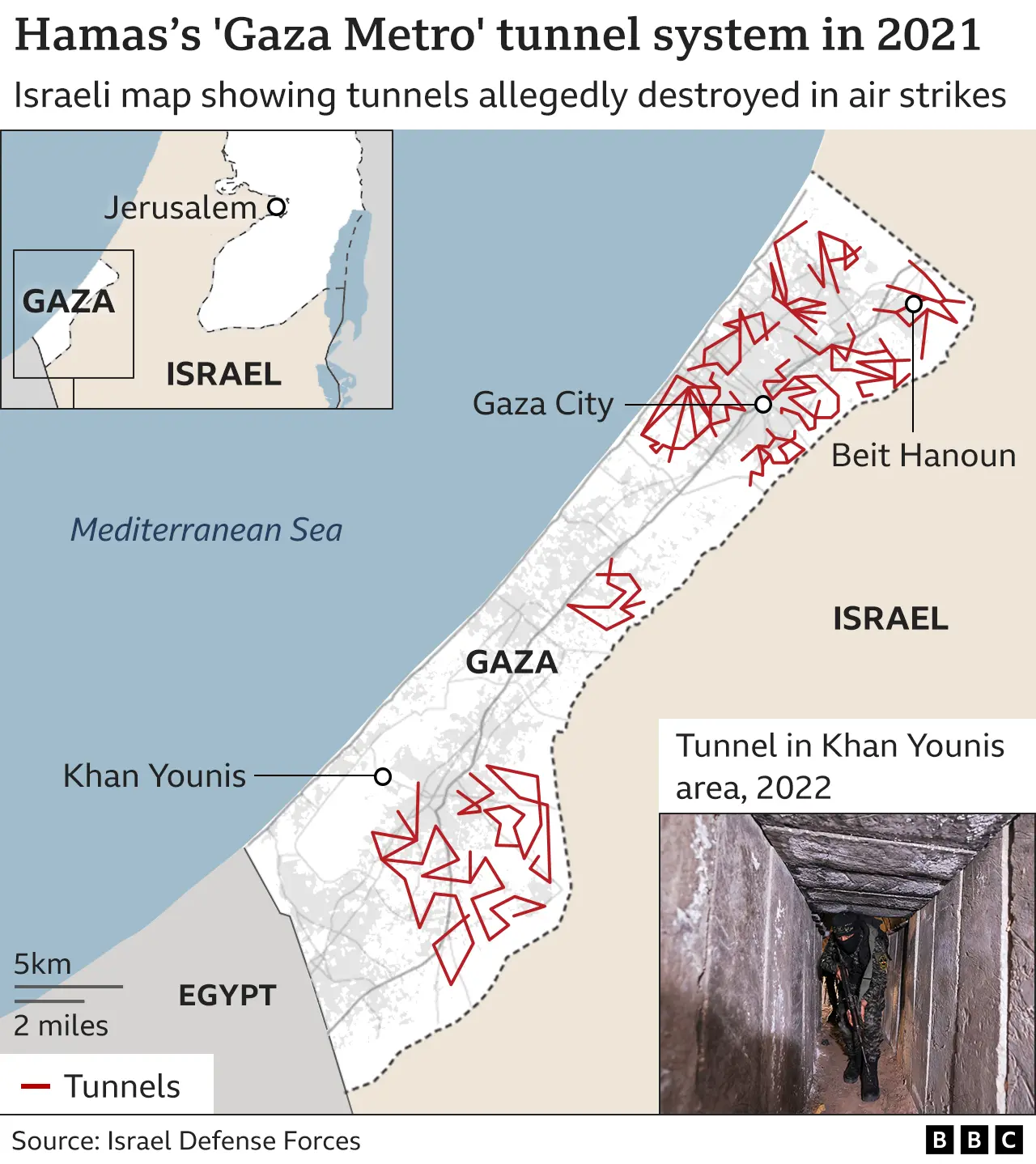
Political rhetoric operating within protracted conflict models serves a distinct operational purpose: signaling alignment with domestic hardline constituencies while attempting to shift the boundaries of acceptable state violence. When Israeli National Security Minister Itamar Ben-Gvir articulated a demand for thirty to forty nightly targeted operations in Gaza, the discourse transcended typical partisan friction, exposing the fault lines between institutional military command structures and populist political actors who lack direct operational control.
The Institutional Disconnect: Rhetoric Versus Chain of Command
In analyzing strategic statements issued by non-military cabinet members, analysts must evaluate the structural authority vector. In Israel's administrative architecture, the National Security Minister holds jurisdiction over domestic law enforcement and the national prison apparatus rather than the Israel Defense Forces command structure. Consequently, quantitative demands for kinetic output—such as a fixed numerical quota of nightly operations—represent an ideological benchmark rather than an actionable military directive. If you enjoyed this piece, you might want to look at: this related article.
Military organizations operating under traditional doctrine evaluate targets through intelligence corroboration, high-value asset identification, and proportionality assessments. Imposing an arbitrary numerical quota converts targeted operations from a tactical intelligence response into an output-driven production metric. This structural divergence creates an inherent friction point within coalition governments:
- Populist stakeholders measure success through the volume of kinetic messaging delivered to domestic bases.
- Professional military planners measure success through strategic degradation of adversarial command networks and the preservation of operational legitimacy.
- Diplomatic intermediaries view high-cadence kinetic demands as compounding variables that complicate ceasefire compliance and international legal exposure.
The Attrition Model and Operational Capacity
To understand why a fixed-rate elimination strategy faces severe operational ceilings, one must analyze the resource allocation constraints inherent in high-density urban warfare. Sustaining a constant throughput of thirty to forty targeted strikes per 24-hour cycle requires a continuous, high-fidelity intelligence feed, real-time surveillance asset availability, and rapid-response kinetic architecture. For another angle on this event, check out the recent coverage from The Guardian.
[Intelligence Acquisition] ---> [Target Verification] ---> [Collateral Minimization] ---> [Kinetic Execution]
When an operational model bypasses the requirement for an immediate, active threat—as advocated by proponents of expanded criteria—the verification pipeline shifts from defensive necessity to expansive categorization. This shift introduces severe systemic costs:
- Intelligence degradation occurs as analysts are pressured to validate lower-tier targets to meet artificial volume quotas.
- International legal exposure increases exponentially under international humanitarian law frameworks, which mandate strict adherence to distinction and proportionality principles.
- Coalition stability fractures as international partners, particularly guarantor states mediating ceasefires, view high-frequency kinetic quotas as direct violations of truce architecture.
Ceasefire Dynamics and Political Coercion
The timing of such hardline proposals directly correlates with diplomatic stalemates surrounding international stabilization frameworks, such as proposals tabled by the United States administration. When formal negotiations stall over the disarmament timelines of militant factions and the extent of military withdrawals, domestic political actors utilize aggressive public positioning to constrain executive flexibility.
Prime Minister Benjamin Netanyahu's administration faces a structural trilemma: satisfying international security demands, preventing coalition collapse from far-right factions, and managing the domestic political fallout from unresolved security threats stemming from the October 7 framework. Publicly advocating for intensified operations serves as a domestic signaling mechanism designed to preempt concessions at the negotiating table. By anchoring the political debate to maximalist positions, coalition members ensure that any drawdown in military tempo is framed as a strategic failure rather than a tactical adjustment.
The Logistics of Territorial Revisionism
Beyond kinetic quotas, the rhetorical integration of resettlement objectives highlights a broader strategic push toward long-term demographic and territorial alteration. The mechanics of population displacement and land re-occupation require vast logistical and security investments that run counter to contemporary international statecraft and allied strategic interests.
State strategies that incorporate permanent demographic shifts face absolute resistance from regional actors and multilateral institutions, ensuring that such proposals remain political instruments for internal coalition leverage rather than viable state policies. The divergence between these ideological end-states and the practical requirements of post-conflict administration underscores the fragmented nature of wartime governance.
To evaluate future trajectory vectors in prolonged regional conflicts, monitor shifts in the institutional authority over strike authorizations—such as restricting targeting approvals exclusively to high-level military chiefs of staff—rather than tracking changes in populist political rhetoric. Align defensive resource allocation with verified institutional bottlenecks rather than public output quotas.
:max_bytes(150000):strip_icc()/rs-what-to-buy-for-fall-fashion-tout-db1b6d85b27a4ab28fa7bca9f67104af.jpg)