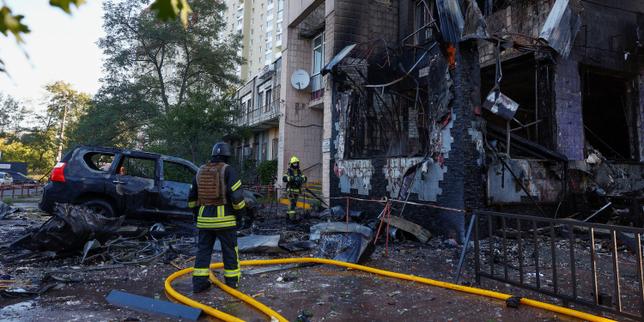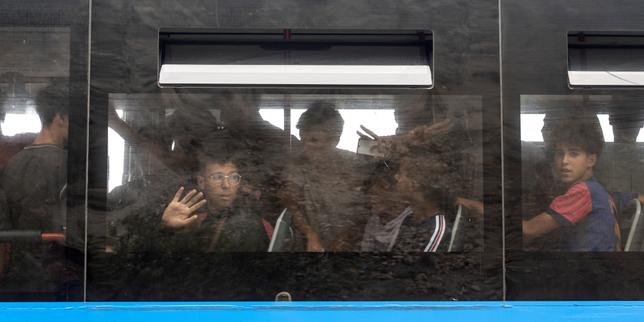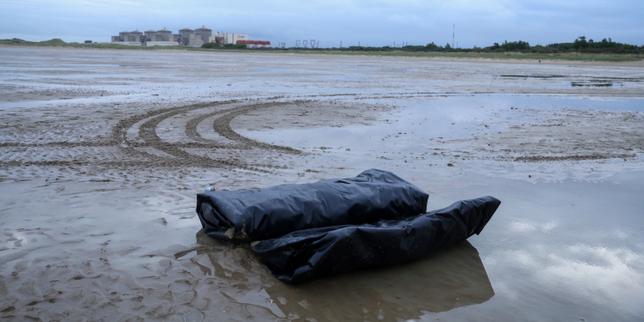
The regular loss of life in the English Channel during unauthorized maritime crossings represents a predictable systemic failure rather than an accumulation of random operational anomalies. Standard media coverage typically reduces these incidents to human tragedy, meteorological misfortune, or the moral failing of criminal smuggling networks. This approach obscures the underlying mechanics. Cross-Channel migration operates as a complex adaptive system driven by severe economic asymmetry, rigid border enforcement feedback loops, and immutable risk-reward calculations. Deconstructing this system requires analyzing the structural forces that dictate migrant behavior, the economic model of maritime smuggling, and the structural limits of deterrence architecture.
The Economic and Geopolitical Pressure Gradient
Migration flows across the Franco-British maritime corridor do not emerge from a vacuum. They are governed by a steep gradient between origin or transit environments and the destination labor market.
[Systemic Push Factors] ---> [Transit Bottleneck (Northern France)] ---> [Enforcement Feedback Loop] ---> [High-Risk Maritime Attempt]
Individuals arriving at the northern French coastline have already completed high-friction overland or maritime journeys. Their decision-making process is rational within a constrained environment, governed by expected utility theory. The expected utility of crossing is a function of the perceived probability of employment, social integration, and legal status in the destination country, weighed against the upfront financial cost and the physical mortality risk.
When terrestrial border hardening increases—such as the physical fortification of the Eurotunnel terminus at Coquelles or the Port of Calais—it does not extinguish the intent to cross. Instead, it displaces the vector of transit. As commercial freight hardening improved over the past decade, transit shifted from clandestine stowaways in heavy goods vehicles to small, rigid-hulled inflatable boats and unseaworthy dinghies. The enforcement mechanism successfully altered the method while leaving the underlying pressure gradient untouched.
This displacement illustrates a core principle of migration management: border controls that increase friction along one channel without addressing the demand side or providing legal alternatives will inevitably force migration into higher-risk, higher-cost alternatives controlled by illicit intermediaries.
The Economics of Smuggling Networks
The facilitation infrastructure relies on industrial-scale procurement of substandard maritime equipment. Criminal syndicates operating along the littoral zones of northern France and Belgium function as transactional service providers rather than centralized mafias. They operate on low fixed assets and high turnover.
The business model exploits regulatory arbitrage. Equipment sourcing involves bulk purchasing of cheap, mass-market inflatable watercraft manufactured for calm inland lakes, alongside undersized outboard engines and low-grade plastic oars. These items are legally acquired through standard supply chains, rendering pre-emptive asset interdiction legally complex until the moment of assembly or deployment.
The cost structure imposed on migrants is regressive. Individuals pay substantial sums—often representing years of family savings or debt-financed loans—for a single passage attempt. The marginal cost of adding an additional passenger to an overcrowded dinghy is near zero for the smuggler, yet the revenue increment is absolute. This economic incentive structure maximizes passenger density per vessel, directly elevating the physical vulnerability of the crossing.
Furthermore, the operational model shifts liability entirely onto the end-user. Smugglers rarely pilot the vessels across open shipping lanes. Instead, they coerce or assign piloting duties to a migrant with zero maritime experience in exchange for a discounted passage. This removes the criminal enterprise from the primary point of operational failure—the active sea transit—insulating the network from law enforcement while ensuring that the physical and legal risks are borne exclusively by the transient population.
The Mechanics of Maritime Failure
The physical geography of the Dover Strait compounds these economic and structural vulnerabilities. The Channel is one of the busiest maritime commercial bottlenecks in the world, combining high-density container traffic, fast tidal streams, shallow sandbanks, and volatile microclimates.
When an overloaded, uncertified vessel enters these waters, multiple mechanical and environmental failure modes interact simultaneously:
- Free Surface Effect and Stability Loss: Overcrowding shifts the center of gravity upward. Inflatable dinghies lack internal bulkheads or rigid keels. Shifting passenger weight or water ingress causes the free surface effect, leading to rapid, unrecoverable capsizing.
- Thermal Shock and Hypothermia: Summer water temperatures in the Channel remain low enough to induce rapid incapacitation. Without thermal protection gear, immersion leads to cold water shock and swimming failure within minutes.
- Navigational Blindness: The absence of radar reflectors, marine VHF radios, or GPS units in many deployed vessels renders them invisible to commercial traffic until visual range is breached. Large container vessels possess blind spots stretching hundreds of meters ahead and cannot execute rapid evasive maneuvers or emergency stops.
These failure modes are exacerbated by the operational tactics enforced by smuggling networks. Departures are frequently staged during nocturnal hours or marginal weather windows to evade localized law enforcement surveillance on beaches. This trade-off—minimizing immediate interdiction risk at the expense of maximizing marine risk—creates the structural conditions for fatal outcomes.
The Structural Limits of Deterrence Architecture
Current policy frameworks across the United Kingdom and France rely predominantly on a deterrence-and-interdiction paradigm. This architecture is composed of coastal patrols, aerial surveillance, asset destruction, and bilateral financial transfers intended to incentivize enhanced French policing along a massive littoral perimeter.
From a systems engineering perspective, this approach suffers from diminishing marginal returns and profound feedback distortions:
- The Hydraulic Effect: Intensified policing in one specific municipality (e.g., Calais) immediately displaces departure points westward toward Normandy or northward toward Belgium, expanding the operational surface area that authorities must monitor.
- Asset Degradation and Adaptation: As law enforcement intercepts or seizes engines and hulls, criminal networks adapt by utilizing smaller, more easily concealed components or launching from remote, unmonitored beaches with shallow estuaries.
- The Interdiction Hazard: Aggressive maritime interception tactics, if executed without strict adherence to safety protocols at high speeds, can inadvertently precipitate panic, vessel deflation, or man-overboard scenarios among passengers who possess an extreme aversion to being returned to the point of departure.
Deterrence strategies fail to account for the asymmetry of motivation. For individuals fleeing systemic instability, conflict, or profound economic disenfranchisement, the risk of drowning in the Channel is perceived as a quantifiable hazard to be managed, whereas remaining in a holding pattern in northern France represents a guaranteed stagnation of their life trajectory.
Strategic Forecast
Without a redesign of migration architecture that addresses the structural drivers of demand and establishes regulated pathways for movement, maritime transit vectors will persist. Border fortifications and tactical policing will continue to alter the topography of crossings rather than diminish their volume or lethality. The system will continue to generate cyclical crises, characterized by tactical adjustments by criminal networks met by proportional escalation of interdiction assets, leaving the underlying mortality rate tied to the vagaries of weather and the inelasticity of human desperation.