Executive Summary: The Political Economy of Youth Dissatisfaction
Political movements emerging from socio-economic friction exhibit identifiable lifecycles governed by cost functions, tactical friction, and organizational resilience. The emergence of the Cockroach Janta Party (CJP)—colloquially termed the Cockroach Movement—in mid-2026 presents a structural case study in decentralized mobilization within India’s political economy. Originating as a satirical reaction to judicial rhetoric comparing unemployed youth to "cockroaches," the movement scaled rapidly by piggybacking on systemic systemic breakdowns, specifically high-stakes national examination leaks and pervasive youth unemployment.
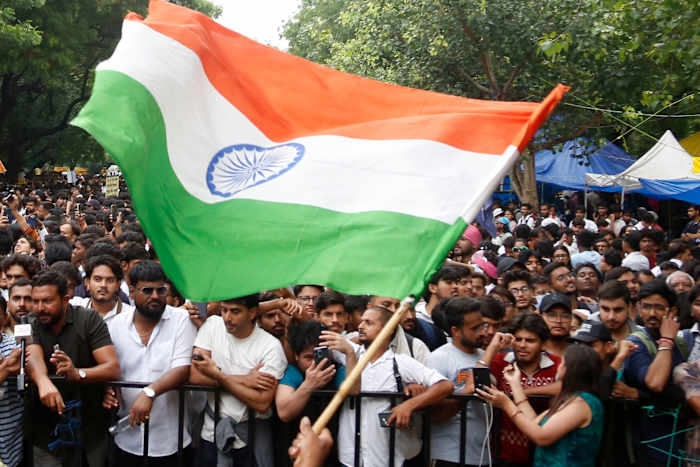
The escalation on July 20, 2026, during a march toward Parliament in New Delhi, highlights a classic dynamic: state kinetic containment versus decentralized non-violent endurance. This analysis deconstructs the operational architecture of the movement, evaluates the state's strategic response, identifies critical single-point vulnerabilities within movement leadership, and maps the long-term trajectory of youth-led political friction.
The Operational Architecture of the Cockroach Movement
The transition of CJP from a digital meme to a physical political agent relies on three functional pillars:
┌─────────────────────────────────────────────────────────┐
│              Socio-Economic Catalysts                   │
│  (Repeated Exam Paper Leaks & Youth Unemployment)        │
└───────────────────────────┬─────────────────────────────┘
                            │
                            ▼
┌─────────────────────────────────────────────────────────┐
│             Asymmetric Brand Reclamation                │
│ (Reclaiming Pejoriative Labels to Lower Entry Barriers) │
└───────────────────────────┬─────────────────────────────┘
                            │
                            ▼
┌─────────────────────────────────────────────────────────┐
│               Hybrid Leadership Network                 │
│  (Distributed Digital Campaigners + Moral Anchors)     │
└─────────────────────────────────────────────────────────┘
1. Structural Catalysts
The primary driver of participant influx is not ideological alignment, but systemic market failure in public sector education and employment. Repeated paper leaks in high-stakes entrance examinations impose direct financial and opportunity costs on tens of millions of aspirants. When judicial remarks inadvertently provided a unified pejorative, the target demographic utilized radical self-deprecation to lower the social cost of participation, converting a systemic stigma into a collective identity.
2. Distributed Mobilization and Tactical Scaling
Unlike traditional political organizations with rigid hierarchical command structures, CJP operates via open-source coordination. Digital platforms function as real-time coordination nodes, allowing rapid deployment to physical centers like Jantar Mantar. This architecture drastically reduces customer acquisition cost (CAC) for new protest participants while making initial containment difficult for law enforcement agencies relying on standard playbook interventions.
3. Bifurcated Leadership and Moral Capital
The movement leverages a dual-node leadership framework:
- The Organizational Engine: Digital-native organizers, such as founder Abhijeet Dipke and spokespersons, manage media communications and public messaging.
- The Moral Anchor: High-credibility external figures, notably activist Sonam Wangchuk, provide ethical legitimacy through high-risk personal tactics like indefinite hunger strikes.
This separation of functions allowed the movement to maintain high public sympathy even when organizational leaders faced operational inconsistencies.
State Containment and Tactical Friction Analysis
The confrontation on July 20, 2026, during the opening day of the Monsoon Session of Parliament, revealed the structural playbooks executed by both state authorities and protest organizers.
Kinetic Escalation Dynamics
Delhi Police deployed a multi-tiered defense force including barricading, tear gas, and baton charges to block the march along Parliament Street. Official records cited 178 total injuries (118 police personnel and 60 protesters) alongside damage to government vehicles.
┌───────────────────────────────────────────────────────────────┐
│                    State Strategy                             │
│ • Perimeter Security & Physical Blockades                     │
│ • Kinetic Containment (Tear Gas, Baton Charges)              │
│ • Selective Medical Separation (Removal of Moral Anchors)     │
└───────────────────────────────┬───────────────────────────────┘
                                │
                                ▼ [Tactical Friction]
                                │
┌───────────────────────────────────────────────────────────────┐
│                   Movement Strategy                           │
│ • Mass Physical Endurance & Occupation (Jantar Mantar)        │
│ • Social Media Amplification of State Aggression             │
│ • Strategic Outreach via Mainstream Opposition Alignment       │
└───────────────────────────────────────────────────────────────┘
The state's strategic objective was clear: prevent physical proximity to the legislative complex to maintain administrative normativity. However, kinetic dispersal produces an unintended side effect: sympathy compounding. Viral footage of physical confrontations lowers the barrier for previously neutral secondary actors—such as working professionals, family members, and formal political opposition—to enter the conflict, effectively expanding the movement's addressable base.
Institutional Negotiation Framework
Simultaneously, state authorities executed a dual-track strategy. While law enforcement maintained physical perimeters, senior political figures, including Union Health Minister J.P. Nadda, initiated direct meetings with movement representatives.
This hybrid response aims to accomplish two outcomes:
- Physical Containment: Neutralize immediate security risks near state infrastructure.
- Political De-escalation: Signal willingness to negotiate on institutional demands without conceding major executive resignations, such as that of Education Minister Dharmendra Pradhan.
Internal Bottlenecks and Vulnerability Points
Despite operational momentum, the Cockroach Movement exhibits critical structural vulnerabilities that threaten its long-term sustainability.
Leadership Disconnect and Operational Friction
During peak confrontation events, organizational leadership demonstrated significant execution gaps. During the removal of Sonam Wangchuk by authorities and the subsequent march to Parliament, key organizers were physically absent or issued conflicting statements regarding detentions and hunger strikes. In decentralized movements, leadership absence at critical execution thresholds erodes internal cohesion and creates optics risks.
Cultural Alignment Risks
The removal of spokesperson Vijeta Dahiya following media exposure during the active crackdown underscores the vulnerability of unvetted, rapid-growth communications teams. Decentralized movements frequently struggle with message discipline, exposing the collective brand to reputational damage when individual actors fail to adhere to movement standards.
The Danger of Co-optation
The involvement of formal political entities—illustrated by opposition leaders staging sit-ins outside the Prime Minister’s residence—presents a complex dynamic. While political alignment provides amplified media access and institutional protection, it risks shifting the movement's identity from an organic, non-partisan youth coalition to a traditional partisan proxy war. This transition often alienates core participants driven purely by functional institutional grievances rather than party politics.
Strategic Trajectory and Structural Interventions
The CJP movement stands at a critical juncture. Sustaining pressure without suffering fragmentation requires transitioning from reactive protest to institutional policy negotiation.
Strategic Demands vs. Institutional Feasibility
| Movement Demand | Institutional Feasibility | Systemic Impact | Recommended Counter-Strategy |
|---|---|---|---|
| Resignation of Union Education Minister | Low | Symbolic | High political cost for state; unlikely without broader cabinet shifts. Focus instead on structural administrative oversight. |
| Overhaul of National Examination Architecture | Medium to High | High | Highly actionable. Implement decentralized audit protocols and cryptographic paper distribution systems. |
| Financial Compensation for Affected Families | High | Low to Medium | Legally straightforward. Establish a standardized state fund for exam cancellation impacts. |
| Permanent Return of Protesters/Anchors to Sites | High | Neutral | Operational prerequisite. Maintain peaceful occupation at Jantar Mantar while formal working groups negotiate. |
The Strategic Playbook for Movement Leadership
To avoid total suppression or internal decay, movement decision-makers must immediately execute a three-part operational pivot:
- Formalize a Policy Negotiation Committee: Replace informal delegations with a permanent, skilled committee composed of legal experts, student representatives, and policy analysts to interface directly with ministry officials.
- Institutionalize Verification Mechanisms: Instead of relying solely on public resignations, push for statutory reforms in examination protocols, including independent auditing boards with civil society representation.
- Establish Operational Continuity: Create clear internal protocols for leadership availability during organized actions, ensuring that moral anchors and strategic organizers maintain continuous visibility to preserve participant trust.
By shifting the focus from physical confrontation at restricted zones toward rigid, metrics-based policy demands, the movement can transform temporary public outrage into permanent institutional reform.