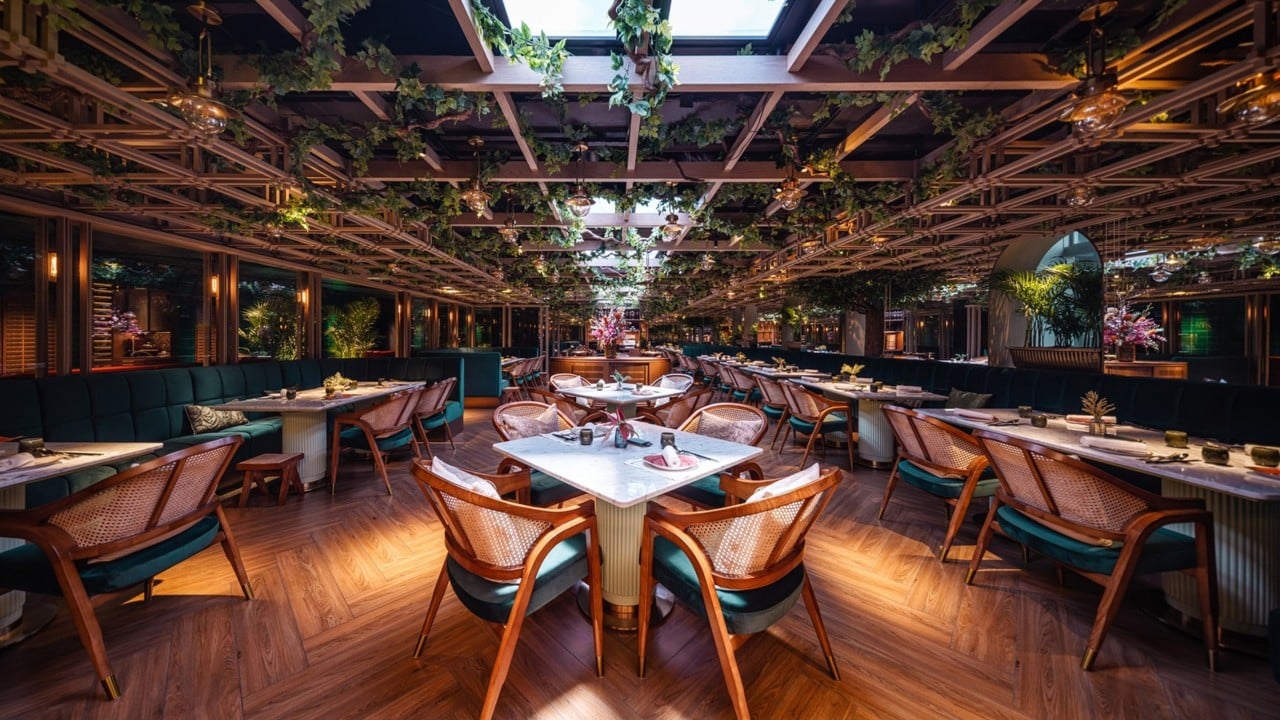
The friction between members of the Hong Kong Golf & Tennis Academy (HKGTA) and the Carlyle & Co. private club represents a fundamental failure in value-proposition alignment and the miscalculation of club-member utility functions. When New World Development attempted to replace its proprietary "Town Club" service in Central with an outsourced partnership with Carlyle & Co., it triggered a rebellion rooted not in brand prestige, but in the dilution of contractual exclusivity and geographic utility. The standoff illustrates the high risk of transitioning "locked-in" luxury ecosystems from a cost-center model to a third-party partnership model without maintaining the integrity of the original access rights.
The Utility Mismatch Framework
In the luxury club sector, member value is derived from a three-pillar utility function: In related news, read about: The Red Ink and the Iron Door.
- Exclusivity Density: The ratio of active members to total available square footage and facility access points.
- Geographic Continuity: The ability to move between residential/recreational nodes (Sai Kung) and business nodes (Central) within a single operational ecosystem.
- Financial Predictability: The stability of recurring dues relative to the incremental cost of use (F&B, coaching, guest fees).
The HKGTA members’ rejection of the Carlyle & Co. takeover stems from a disruption in the first two pillars. Originally, HKGTA members enjoyed access to a dedicated Central suite. By migrating this service to Carlyle & Co.—a club located within Rosewood Hong Kong—the management effectively moved members from a "sovereign" environment to a "tenant" environment. In the sovereign model, the member is the primary stakeholder; in the tenant model, the member is a secondary guest subject to the house rules and capacity constraints of an external entity.
The Friction of Third-Party Integration
The core of the dispute involves the "Carlyle & Co. membership" requirement. For HKGTA members to retain their Central access, they were asked to pay additional fees or adhere to the entry requirements of a separate brand. This creates a double-taxation trap. From a strategic perspective, the move was likely intended to optimize the occupancy of Carlyle & Co. while reducing the overhead of maintaining a standalone HKGTA Central office. Investopedia has provided coverage on this important topic in great detail.
The logistical bottleneck lies in the Access Priority Hierarchy. Carlyle & Co. operates as a high-tier private club with its own waitlist and vetting process. Integrating several hundred (or thousand) HKGTA members into this ecosystem creates a capacity surge that threatens the exclusivity of the Carlyle brand while simultaneously making HKGTA members feel like lower-tier participants. When a luxury brand asks its most loyal patrons to undergo a "re-vetting" or pay a surcharge to access a benefit they previously viewed as an entitlement, the psychological contract is breached.
The Operational Cost Function vs Member Experience
New World Development’s decision reflects a common pivot in real estate conglomerate strategy: shifting from asset-heavy hospitality (owning and operating every touchpoint) to partnership-driven ecosystems.
- Fixed Cost Reduction: Managing a private suite in Central Hong Kong involves exorbitant rent, specialized staffing, and high-spec maintenance.
- Asset Monetization: Carlyle & Co. is a premium asset under the Rosewood umbrella (also a New World interest). Funneling HKGTA traffic into Carlyle & Co. improves the "Internal Rate of Return" (IRR) for the Rosewood property by increasing F&B capture and membership dues.
However, the cost of this efficiency is the degradation of the "Sanctuary" effect. Members of high-end sports academies pay a premium—often in the seven-figure HKD range for debentures—to escape the crowds of public or semi-private spaces. Forcing a tennis-and-golf focused demographic into a nightlife-and-social focused club like Carlyle & Co. creates a cultural misalignment. The "sporting" member requires functional utility (showers, quick lunches, work-friendly zones); the "social" club member seeks atmospheric prestige and curated networking. These two personas rarely coexist without friction.
Contractual Rigidness and the Debenture Trap
The legal tension in this dispute centers on the definition of "reciprocal rights." Most high-end club memberships in Hong Kong are sold via debentures or long-term memberships with specifically outlined benefits. If the "Central Access" was marketed as a core feature of the HKGTA debenture, the management cannot unilaterally alter the delivery mechanism if it results in a net loss of value for the holder.
The "opt-out" or "rejection" by members indicates that the Carlyle & Co. offer was perceived as a devalued substitute. The primary grievances likely include:
- Capacity Constraints: Carlyle & Co. already services its own membership base. Adding HKGTA members increases the lead time for bookings and decreases the probability of "walk-in" utility.
- Entry Barriers: Carlyle & Co.’s dress codes, age restrictions, or guest policies may be significantly more restrictive than the original HKGTA Central suite, effectively nullifying the benefit for a portion of the membership.
- Data and Privacy Sovereignty: Members often resist being "sold" to a third-party club where their data and spending habits are tracked by a different operational entity.
The Strategic Misstep in Change Management
The implementation of the Carlyle & Co. takeover lacked a tiered transition strategy. In a high-stakes luxury environment, structural changes to access rights should follow a grandfathering protocol. By failing to offer a seamless, cost-neutral "legacy" tier for existing HKGTA members, management signaled that the financial optimization of the Rosewood/Carlyle asset outweighed the loyalty of the HKGTA base.
This creates a Contagion Risk for the brand. If the HKGTA brand is seen as a "feeder" for other New World ventures rather than a standalone community, the secondary market value of its debentures will decline. In Hong Kong, where club debentures are traded as financial assets, a perceived drop in utility leads to an immediate sell-off, further damaging the club’s prestige and its ability to attract new high-net-worth individuals.
The Optimal Resolution Pathway
To salvage the relationship and protect the long-term value of the HKGTA brand, the strategy must pivot from a forced migration to a dual-track access model.
- Restoration of the Sovereign Suite: Maintain a dedicated, HKGTA-only lounge in Central that provides the core utility (quiet workspace, concierge, basic F&B) without the social overhead of a full club.
- The "Bridge" Membership Tier: Offer a subsidized, non-vetted "HKGTA-Carlyle Associate" status. This tier should grant access to Carlyle & Co. facilities during off-peak hours, providing the "luxury" experience to members who want it, while not forcing it upon those who do not.
- Transparency in Capacity Management: Management must publish a clear "Access Rights" charter that guarantees HKGTA members a specific quota of bookings within the Carlyle ecosystem, ensuring they are not treated as secondary guests.
The failure of the HKGTA-Carlyle integration serves as a warning for luxury conglomerates: integration is not a substitute for entitlement. Efficiency gains that come at the expense of member sovereignty will inevitably face rejection, as the value of a private club lies not in the quality of the wallpaper, but in the exclusivity of the threshold.