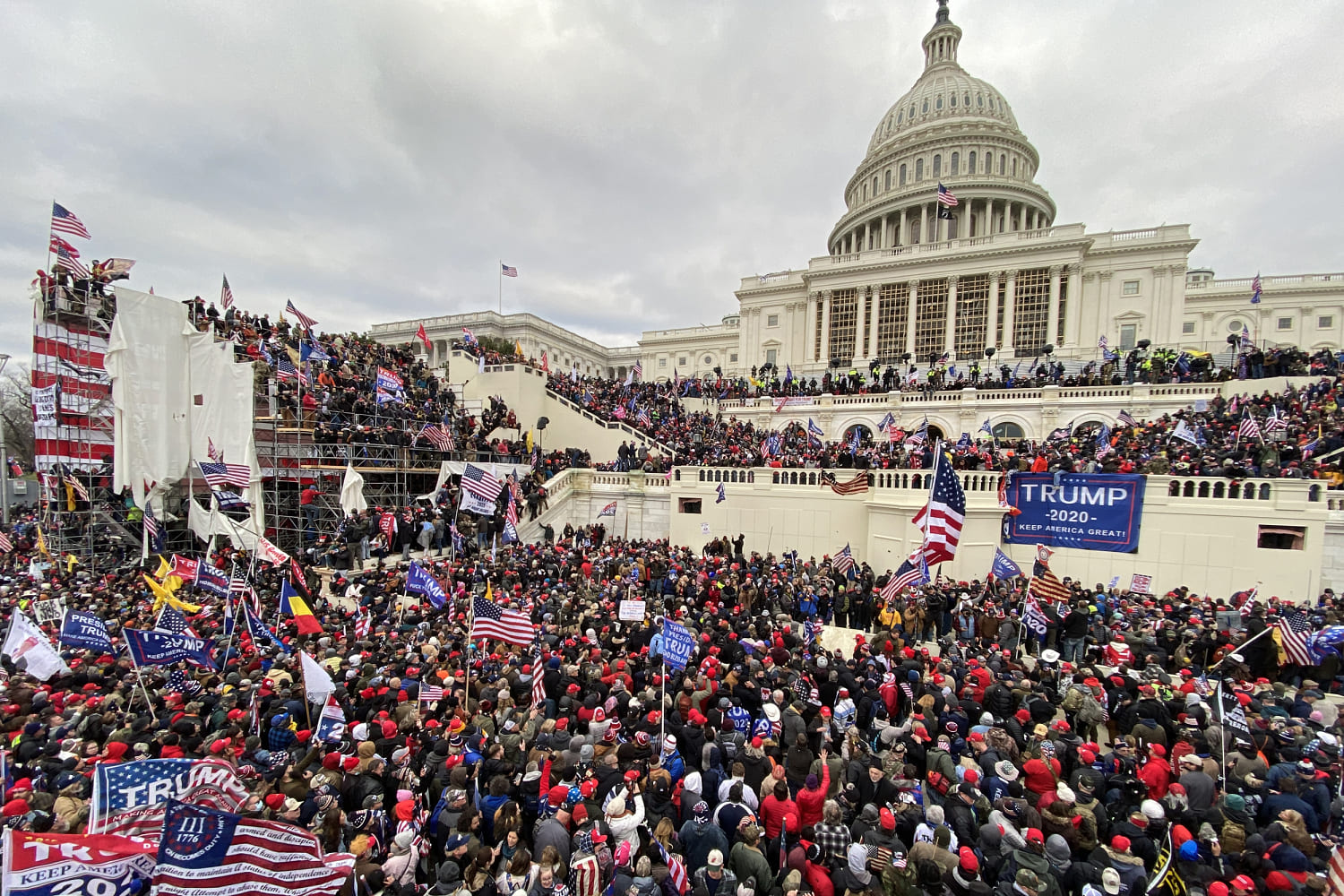
The wholesale reversal of criminal convictions related to the January 6 Capitol breach represents a rare systemic event: the deliberate liquidation of a high-volume federal prosecution campaign by the executive branch. This move functions as a retroactive shift in the federal government’s prosecutorial priorities, effectively neutralizing years of Department of Justice (DOJ) litigation through the exercise of Article II clemency powers. To understand the impact of this shift, one must analyze the three mechanical layers of the process: the nullification of judicial precedent, the redistribution of federal investigative resources, and the dissolution of the "Seditious Conspiracy" sentencing framework.
The Mechanism of Executive Nullification
Executive clemency, while constitutionally absolute, creates a secondary friction point within the judicial system. When the administration moves to toss remaining convictions, it is not merely "clearing names"; it is systematically dismantling the evidentiary records used to establish the legal threshold for "corruptly obstructing an official proceeding" under 18 U.S.C. § 1512(c)(2).
By pardoning individuals or directing the DOJ to move for the dismissal of pending cases, the executive branch effectively renders moot the appellate challenges that would have further defined the boundaries of federal obstruction law. This creates a legal vacuum. The Supreme Court's ruling in Snyder v. United States already signaled a narrowing of the application of obstruction statutes; the administration's current trajectory completes this narrowing by ensuring that no further case law can be built upon the January 6 dockets.
Taxonomy of the Target Groups: Proud Boys and Oath Keepers
The strategic focus on the leadership of the Proud Boys and Oath Keepers is significant because these groups represented the "Tier 1" of the DOJ’s prosecution strategy. The government’s original theory of the case relied on proving a coordinated conspiracy to prevent the transfer of power.
- The Proud Boys Leadership Cases: These cases relied heavily on internal communications and "boots on the ground" logistics. Removing these convictions nullifies the legal standing of the "conspiracy to obstruct" charges that served as the backbone for hundreds of related, lower-level cases.
- The Oath Keepers Seditious Conspiracy Charges: Seditious conspiracy is an exceptionally high bar in federal law. By clearing these specific convictions, the administration signal-flips the state's definition of political violence. What the previous DOJ characterized as an insurrection is structurally reclassified as protected, albeit disruptive, political expression.
The dissolution of these specific cases creates a domino effect. If the central conspiratorial "hub" is pardoned, the legal justification for the "spokes"—the hundreds of individuals charged with lesser trespassing or parading offenses—becomes structurally unstable.
Resource Redistribution and the FBI Pivot
The Department of Justice’s January 6 investigation was the largest in its history, involving every FBI field office in the country. The cessation of these prosecutions triggers a massive internal reallocation of labor and capital within the federal law enforcement apparatus.
- Analytical Bandwidth: Thousands of hours of video footage and terabytes of digital forensics are no longer being processed for trial preparation.
- Budgetary Re-indexing: The specialized task forces created to track down unidentified individuals from the Capitol grounds are being shuttered.
- Internal Oversight: The administration’s move likely includes a moratorium on new investigations into the events of January 6, preventing the "rolling discovery" that often characterizes long-term federal probes.
This is not a passive end to a project; it is an active liquidation. The human capital previously dedicated to these cases is being redirected toward the administration’s new stated priorities, such as border enforcement and the investigation of specific political or non-governmental organizations.
The Three Pillars of Case Dissolution
To achieve a total clearing of the docket, the administration utilizes three distinct legal levers, each with a different speed of execution.
- Pillar I: The Categorical Pardon: This is the fastest mechanism. A blanket pardon for non-violent offenders (those not charged with assaulting law enforcement) instantly terminates all current sentences and vacates records.
- Pillar II: Directed Dismissal (Nolle Prosequi): For cases currently in the trial or pre-trial phase, the Attorney General directs U.S. Attorneys to file "Notice of Dismissal." Judges have limited power to reject these motions, as the executive branch holds the sole authority to choose which cases to prosecute.
- Pillar III: Sentence Commutation for Violent Offenders: In more complex cases involving 18 U.S.C. § 111 (Assaulting, resisting, or impeding certain officers), the administration may opt for commutation over a full pardon. This keeps the conviction on the record but allows for immediate release, serving as a compromise to mitigate public backlash regarding law enforcement safety.
The Cost Function of Retraction
The cost of this maneuver is not financial, but institutional. Every conviction tossed represents a sunk cost of millions of dollars in investigative and prosecutorial work. However, the administration views this through a "corrective" lens rather than a "waste" lens. The strategic calculation is that the restoration of political capital among the administration's base outweighs the loss of investigative investment.
There is also the variable of civil litigation. Many of those having their convictions cleared may now have a legal pathway to sue the federal government for malicious prosecution or civil rights violations. By clearing these cases, the administration creates a potential liability tail for the DOJ, as the vacating of a conviction can be used as evidence that the original prosecution was politically motivated or lacked a factual basis.
Impact on the Federal Sentencing Guidelines
Federal judges utilize the Sentencing Guidelines to ensure consistency across the country. The January 6 cases introduced several "enhancements" for domestic terrorism and obstruction that inflated prison terms. The administration’s move to clear these convictions effectively "scrubs" these examples from the data set that judges use to determine "reasonable" sentences for future political protests.
If the most severe cases of Capitol entry are pardoned, it becomes mathematically difficult for the DOJ to argue for long sentences in future cases involving the disruption of government proceedings by other groups. The "ceiling" for what constitutes punishable political disruption has been lowered.
Operational Risks and Institutional Friction
The primary friction point remains the Career Civil Service. Within the DOJ and FBI, "career" employees (as opposed to political appointees) who spent four years building these cases are now required to facilitate their destruction. This creates a high-risk environment for internal leaks and "whistleblower" activity.
- Document Preservation: Attempts by career staff to archive or protect investigative files before they are purged.
- Resignation Spikes: A likely exodus of experienced prosecutors from the DC United States Attorney’s Office, leading to a temporary "brain drain" in the division.
- Judicial Pushback: While judges cannot force the executive to prosecute, they can delay the dismissal process by requiring extensive hearings or "show cause" orders to explain the sudden shift in the government's position.
The Strategic Forecast for Federal Law Enforcement
The clearing of the January 6 convictions is the first phase of a broader realignment of the federal carceral state. The next phase involves the systematic review of the "Seditious Conspiracy" statute itself, with the goal of ensuring it cannot be applied to civil unrest in the future.
The administration is not merely correcting a perceived injustice; it is redefining the state's relationship with organized political dissent. This move sets a precedent where federal prosecutions are no longer viewed as final legal outcomes, but as temporary administrative actions subject to the prevailing political cycle. Organizations involved in high-stakes political activity will now operate under the assumption that the federal judiciary is a secondary obstacle to the executive's power of clemency.
The final strategic move is the transition from individual pardons to a formal "Commission on Prosecutorial Overreach." This body will likely be tasked with identifying other categories of federal crimes—such as specific firearm violations or regulatory infractions—that the administration intends to stop prosecuting. The January 6 liquidations serve as the proof-of-concept for a new, highly interventionist model of executive legal management.