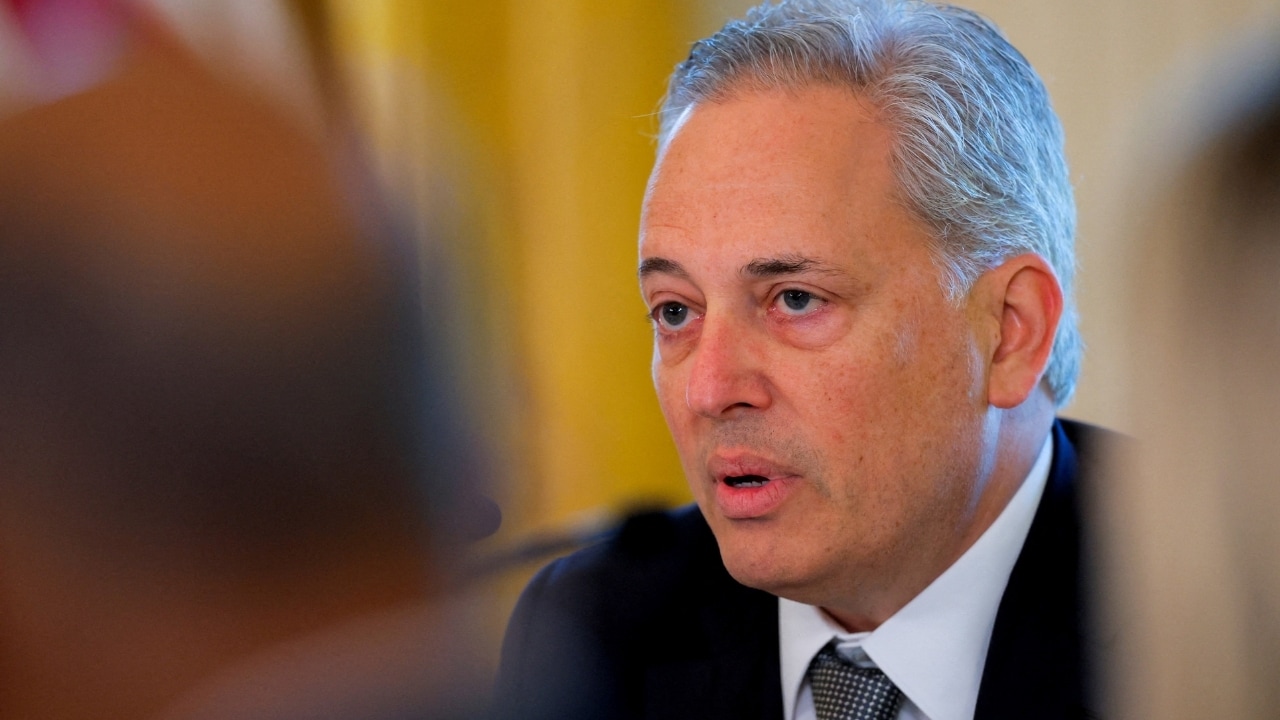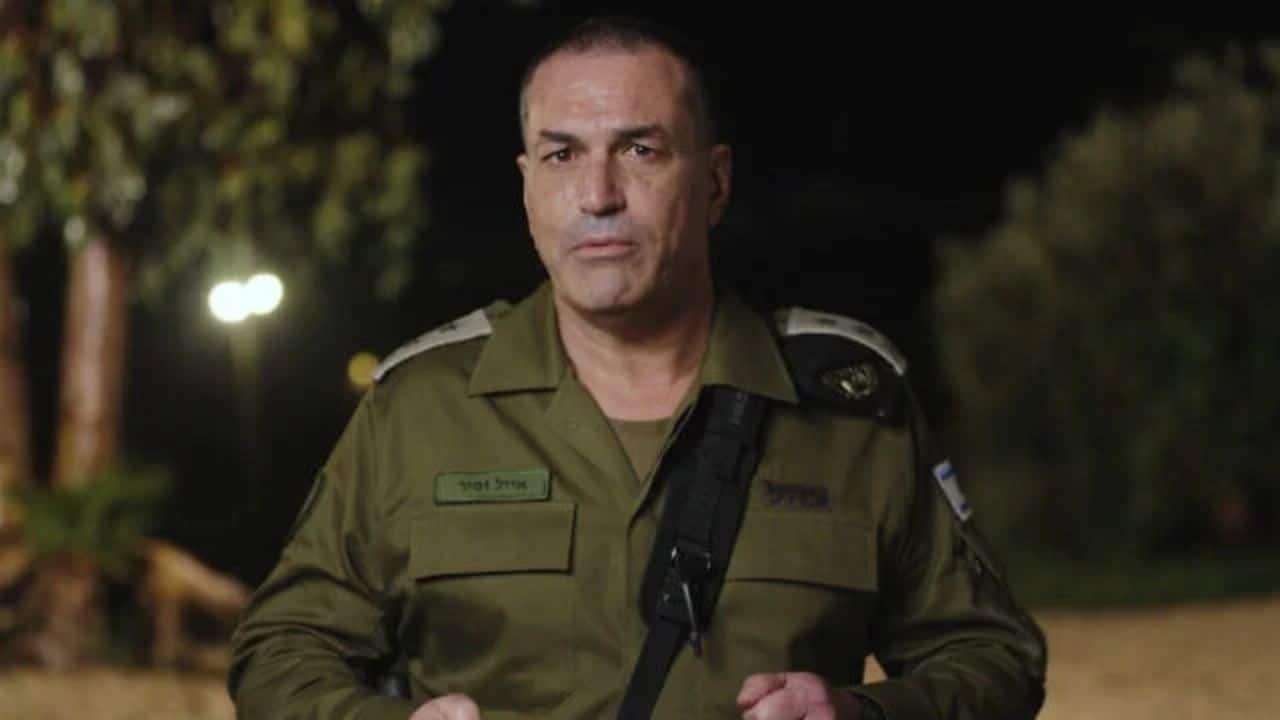
The Israel Defense Forces (IDF) is currently confronting a crisis that transcends the immediate tactical challenges of urban warfare in Gaza or the exchange of fire across the northern border. Recent internal warnings from high-ranking military officials, including Chief of Staff Herzi Halevi, suggest that the institution is reaching a breaking point caused by prolonged mobilization, a dwindling pool of reservists, and a political apparatus that refuses to address the inequity of the draft. This is not a matter of losing a single battle, but rather the gradual erosion of the "people’s army" model that has sustained the state since 1948.
If the current trajectory holds, the IDF risks a functional collapse. This does not mean soldiers will simply walk off the battlefield tomorrow. Instead, it manifests as a catastrophic decline in operational readiness, a brain drain of the officer corps, and a logistical system that can no longer bridge the gap between national security ambitions and the reality of human endurance.
The Myth of the Infinite Reservist
For decades, the Israeli security doctrine rested on the assumption that the standing army would hold the line while the reserves provided the "hammer" for decisive victory. This system was designed for short, high-intensity conflicts. It was never intended to sustain a multi-front war of attrition lasting over a year.
The math is becoming impossible to ignore. Reservists who were called up in October 2023 are now being asked to return for third and fourth stints of service. These individuals are not just soldiers; they are the backbone of the Israeli economy—high-tech engineers, small business owners, and teachers. When a reservist is pulled from their life for 200 days in a single year, the ripples extend far beyond the individual. Their businesses fail. Their families fracture.
The "red flags" raised by the General Staff point to a growing sentiment of resentment. It is the feeling of being "suckers"—the few who carry the burden for the many. While the secular middle class sees its life derailed, other sectors of society remain shielded from service by historical political exemptions. This creates a friction that is now affecting enlistment rates and the willingness of veteran officers to sign on for additional years of service.
Logistic Stagnation and Equipment Fatigue
Beyond the human element, the mechanical toll of a prolonged war is hollowing out the IDF’s capabilities. Tanks, armored personnel carriers, and heavy engineering vehicles are being used at a rate that far exceeds their maintenance schedules. In the early months of the conflict, the focus was on rapid deployment. Now, the military is paying the price for that urgency.
Spare parts are becoming a bottleneck. While US military aid provides a vital lifeline, the specific needs of an army engaged in constant urban clearing operations are unique. Engines are burning out. Tracks are wearing thin. The IDF’s logistical tail is struggling to keep pace with a frontline that refuses to stabilize.
This isn't just about hardware. It is about the "readiness gap." When a unit is pulled out of Gaza, they are supposed to enter a period of retraining and equipment refurbishment. Instead, because of the shortages in manpower and the simmering threat in Lebanon, units are often rotated directly from one combat zone to another with minimal downtime. They are tired, their gear is battered, and their edge is blurring.
The Crisis of Command
There is a quiet exodus happening within the middle management of the IDF. Captains and Majors—the officers who actually lead companies and battalions on the ground—are increasingly opting out of permanent service.
Historically, the IDF relied on the prestige of service to retain its best minds. But the current climate has shifted the calculus. These officers see a political echelon that is often at odds with the professional recommendations of the military. They see a lack of clear strategic objectives, which turns their tactical successes into a repetitive cycle of "mowing the grass."
When the best young leaders leave, the institutional memory of the army evaporates. You are left with a force that can follow orders but lacks the creative initiative required to win complex, asymmetrical wars. The "collapse" warned of by the Chief of Staff refers heavily to this internal hollowing. If you lose the middle, the top has nothing to lean on and the bottom has no one to follow.
Social Cohesion as a Strategic Asset
An army is only as strong as the society that produces it. In Israel, the military has always functioned as the "great melting pot." However, the political polarization of the last several years has finally breached the barracks.
The debate over judicial reform and the subsequent protests created fissures that have not fully healed, despite the unity shown in the immediate aftermath of October 7. Soldiers are now hyper-aware of the domestic political implications of their actions. When the government discusses the "total victory" narrative while the military leadership speaks of "attainable goals," the soldier in the foxhole is caught in the middle.
This creates a crisis of trust. If the troops do not believe their sacrifices are tied to a coherent and achievable national strategy, the motivation to put oneself in harm’s way diminishes. We are seeing the first signs of this in the "grey refusal"—soldiers who don't explicitly protest but find medical or personal reasons to avoid the most dangerous assignments.
The Northern Shadow
Everything happening in the south is overshadowed by the looming possibility of a full-scale war with Hezbollah. If the IDF is struggling to maintain its footing in Gaza, a conflict in the north would represent an order of magnitude increase in complexity and lethality.
Hezbollah is not Hamas. They possess a sophisticated arsenal of precision-guided munitions and a battle-hardened infantry force. To face them, the IDF needs an army that is at peak physical and mental condition. Instead, they are heading toward that potential confrontation with a force that is exhausted and an equipment stockpile that is depleted.
The warnings from the Chief of Staff are a plea for time and resources that the political calendar may not allow. The IDF is currently trying to rebuild its strength while simultaneously fighting a war on three fronts—Gaza, the West Bank, and the northern border. It is a feat of endurance that no modern military has been asked to perform for this long.
Rebuilding the Foundation
To prevent a total collapse, the IDF must undergo a radical shift in how it manages its human and material resources. This starts with ending the era of selective mobilization. The burden of service must be distributed more equitably across all sectors of Israeli society to lower the pressure on the current reservist class. Without a larger pool of recruits, the "people's army" will simply run out of people.
Simultaneously, there must be a massive investment in domestic military industry to reduce reliance on external supply chains for basic munitions and parts. Dependence on foreign political cycles for the ability to fight a defensive war is a strategic vulnerability that the IDF can no longer ignore.
Finally, the military leadership must insist on clear, defined political objectives. An army cannot win a war if the definition of "victory" keeps shifting to suit the needs of a governing coalition. The disconnect between the military's operational reality and the government's rhetoric is the single greatest threat to the IDF's long-term viability.
The red flags are not suggestions; they are a diagnostic report of a system under terminal stress. Ignoring them will not make the problems go away. It will only ensure that when the next major crisis arrives, the shield that has protected the state for 78 years will finally crack.
The government must decide if it wants a military that serves as a political talking point or one that can actually win a multi-front war. They cannot have both.