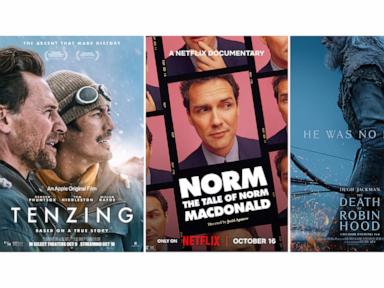
The industry loves to panic. Every time a quarterly earnings report misses subscriber targets by a fraction of a percent, the trades flood with panic pieces about streaming fatigue, decision paralysis, and the death of appointment viewing. Critics look at weekly recommendation roundups—telling exhausted consumers to cycle through whatever pop girl group documentary, sci-fi procedural, and nostalgic video game adaptation happened to drop on
Stop Wasting Your Weekends On Corporate Streaming Slop
entertainment, gaming
The media ecosystem survives on your willingness to consume whatever lukewarm content is pushed into your queue. Every Friday, the standard entertainment roundups spit out the same predictable list of recommendations. They tell you to binge the latest manufactured pop docuseries, sink hours into corporate tie-in video games, and care about corporate franchises that peaked a decade ago.
It is a machine built to monetize your boredom. And you are walking right into it.
Consider the recent lineup dominating the cultural conversation. Media outlets breathlessly push things like the latest Netflix pop-culture phenomena, a high-profile documentary on K-pop acts like Katseye, sprawling fantasy scripts like VisionQuest, interactive fiction engines like Tenzing, and whatever nostalgia-bait pixel-art Castlevania clone just dropped on digital storefronts.
The lazy consensus says you should sit back, load up your streaming apps, and absorb it all.
That advice is an absolute trap.
The Attention Economy Wants You Dumber
I have spent years watching media budgets expand while creative risk shrinks to absolute zero. When a studio drops a slick documentary on a global girl group like Katseye, they are not offering art. They are offering an engineered commercial wrapped in high-definition production values. It is market research disguised as entertainment.
You watch it because it feels current. You talk about it on Monday morning because you need a script for watercooler small talk. But ask yourself a simple question: three months from now, will that content have changed how you think, how you work, or how you view the world?
Of course not. It is empty calories for the brain.
The algorithmic loop feeds you predictable patterns because predictability is safe. When platforms package a gritty fantasy adaptation like VisionQuest alongside a retro-styled video game revival of Castlevania, they are targeting two different impulses: narrative escapism and compulsive habit loops. Both keep your eyeballs glued to a screen. Both generate ad revenue or subscription fees. Neither demands an ounce of critical thought.
Why Interactive Nostalgia Is a Dead End
Let us look closely at the gaming side of this equation. The industry relies heavily on heritage brands to trigger dopamine hits. Slapping a familiar gothic aesthetic onto a side-scrolling action platformer is a foolproof nostalgia play.
Gamers eat it up. They buy the digital download, play through twenty hours of derivative level design, and praise the "tight controls" as if the mechanics haven't been perfected since 1991.
I have watched studios greenlight dozens of these safe bets while genuinely innovative mechanics die in development hell. Why? Because risk doesn't sell shares. Safe nostalgia sells shares.
When you spend your weekend clearing a modern retro-platformer, you are rewarding artistic stagnation. You are telling publishers that you prefer comfortable memories over dangerous ideas. If a game does not rewrite its genre rules or challenge your spatial and logical limits, you are just running on a digital treadmill.
The Counter-Strategy For Your Free Time
If you want to break the cycle, you need a radical shift in how you allocate your attention. Stop treating your leisure time as a passive sponge for whatever the top ten list dictates.
Apply friction to your media consumption.
- Audit your subscriptions: If you haven't opened a streaming app in fourteen days, cancel it. Money talks louder than feedback forms.
- Reject passive viewing: If a show requires a second screen or a smartphone in your hand to keep you engaged, turn it off. It is failed art.
- Seek asymmetric returns: In gaming and reading, pick titles that frustrate you. If you finish a game in ten hours without dying or rethinking your strategy, you wasted your time.
The culture industry wants you compliant, distracted, and easily marketed to. Put down the remote, skip the corporate documentary, and stop buying games designed purely to exploit your childhood memories.
Your attention is the only scarce asset you actually own. Stop giving it away to algorithms that view you as a metric.