You spot a battered ginger tom sleeping right next to a sub-woofer at a basement punk gig. He doesn't flinch. He doesn't run. He just stays there, soaking up the bass and ignoring the spilled beer splashing against his paws.
Club cats and pub moggies are legendary fixtures of the nightlife scene. Now, venues are turning these nocturnal mousers into fashion icons. Stray cats showing up at raves, gigs, and pubs actually have their own merchandise lines, and honestly, it makes total sense.
Think about it. Independent music venues are struggling. Nightclubs face skyrocketing rents, surging utility bills, and changing consumer habits. Meanwhile, a local bodega cat or venue mascot pulls in thousands of views on TikTok simply by existing near a mixing desk. Selling custom hoodies, tees, and tote bags featuring these furry bouncers isn't just a cute gimmick. It is a lifeline for grassroots spaces that need every penny they can get.
How Venue Cats Became Merchandise Royalty
Venues didn't invent the concept of the working cat. Pubs across the United Kingdom and independent clubs across Europe have relied on mousers for generations. They keep the rodent population under control while giving patrons a warm, fuzzy point of contact.
Over the last few years, social media completely changed the game. A cat named David Bowie lived inside a popular London pub and quickly became a local celebrity. When patrons started asking for shirts with his face on them, the management listened. They printed a small run of screen-printed tees. The batch sold out in hours.
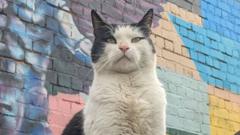
Soon, other venues caught on. Independent promoters realized that fans love local lore. If your favorite underground club has a grumpy three-legged rescue cat who inspects the coats at the cloakroom, you are going to buy the t-shirt. It proves you were there. It shows you belong to that specific, hyper-local community.
- Venues gain an extra revenue stream that isn't tied to overpriced drinks.
- Merch sales directly fund vet bills, food, and warm bedding for the animals.
- Fans get a quirky conversation starter that supports independent culture.
The Economics Behind the Fur
Running a grassroots music venue is a financial bloodbath. Margins are razor-thin. Ticket sales barely cover the sound engineer and the security team, let alone building maintenance.
Merchandise has always been a reliable earner for bands, but venues rarely cash in beyond generic branded pint glasses. Enter the venue cat. People who wouldn't buy a standard venue-branded t-shirt will happily drop thirty dollars on a heavy-cotton hoodie featuring an illustrated vector portrait of a scruffy alley cat wearing DJ headphones.
Profits from these specific lines usually go into a dedicated care fund. Take the famous case of neighborhood rescue cats hanging around European electronic music spaces. Promoters partner with local illustrators to design limited-edition drops. A portion goes to keeping the dancefloor soundproofed, and the rest pays for premium cat food and veterinary check-ups.
It creates a closed-loop system of care. The cat protects the venue from pests, the cat charms the punters, the merch pays the bills, and the money keeps the doors open for the next wave of local bands.
Beyond the Gimmick Supporting Real Animal Welfare
Critics might look at this trend and call it exploitative. They might wonder if stressed-out felines are being forced to live in loud environments against their will.
That is a fair concern, but the reality on the ground is usually the opposite. Good venue operators know that stressed cats hide or leave. The cats who stick around do so because they have safe, quiet green rooms to retreat to when the soundchecks get too loud. They have fresh water, attentive staff who double as cat-sitters, and plenty of places to sleep out of the way of heavy boots.
In many cases, these merchandise lines fund trap-neuter-return programs for the wider neighborhood. A single pub might start by feeding one stray tomcat, and end up funding the medical treatment of an entire alley colony using the proceeds from tote bag sales.
When you buy a t-shirt featuring a techno-loving stray, you are often participating in grassroots animal rescue disguised as counter-culture fashion.
Why Authentic Local Lore Wins Every Time
Corporate brands spend millions trying to manufacture authenticity. They hire marketing agencies to invent cool backstories for mass-produced products. They fail because real culture cannot be faked in a corporate boardroom.
A stray cat sleeping on an amplifier cannot be replicated by an algorithm. That cat chose that venue. The grime on the floor is real. The late-night sound checks are real. When you wear merch featuring a venue mascot, you are wearing a piece of living history.
Independent music scenes thrive on quirks and local characters. As gentrification flattens cities into uniform rows of luxury apartments and chain coffee shops, these little eccentricities matter more than ever. They prove that spaces are run by living, breathing humans who care about their surroundings.
Grab the t-shirt. Drop a few extra coins in the donation jar next to the merch table. Support the venues that keep weird, wonderful nightlife alive, and tip your hat to the cats doing the heavy lifting on the front lines.