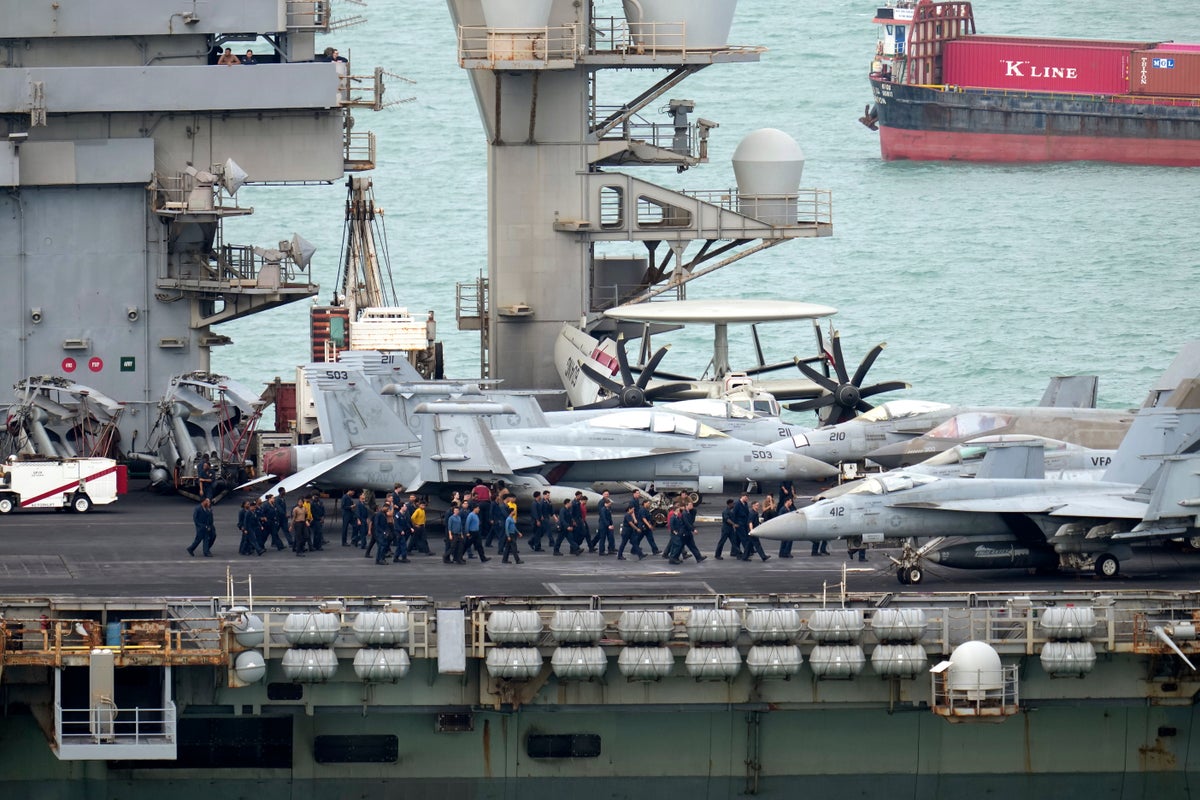
The sea is a heavy, rhythmic presence that dominates the coastline of Fujairah. If you stand on the shore and squint toward the horizon, the water looks infinite, a shimmering blue expanse that hides the most precarious bottleneck in the global economy.
But for a crane operator perched a hundred feet above the concrete piers of the United Arab Emirates’ eastern coast, the view is less about beauty and more about a ticking clock. Below, the steel containers are stacked like a child’s forgotten blocks, but they are filled with the vital organs of modern life. Grain. Medical supplies. Spare parts for power plants. Don't forget to check out our recent article on this related article.
The Strait of Hormuz is barely 21 miles wide at its narrowest point. It is a geographic throat through which a fifth of the world’s oil and vast amounts of liquefied natural gas must pass. For decades, the logic was simple: if that throat were ever squeezed by conflict or blockade, the world would choke.
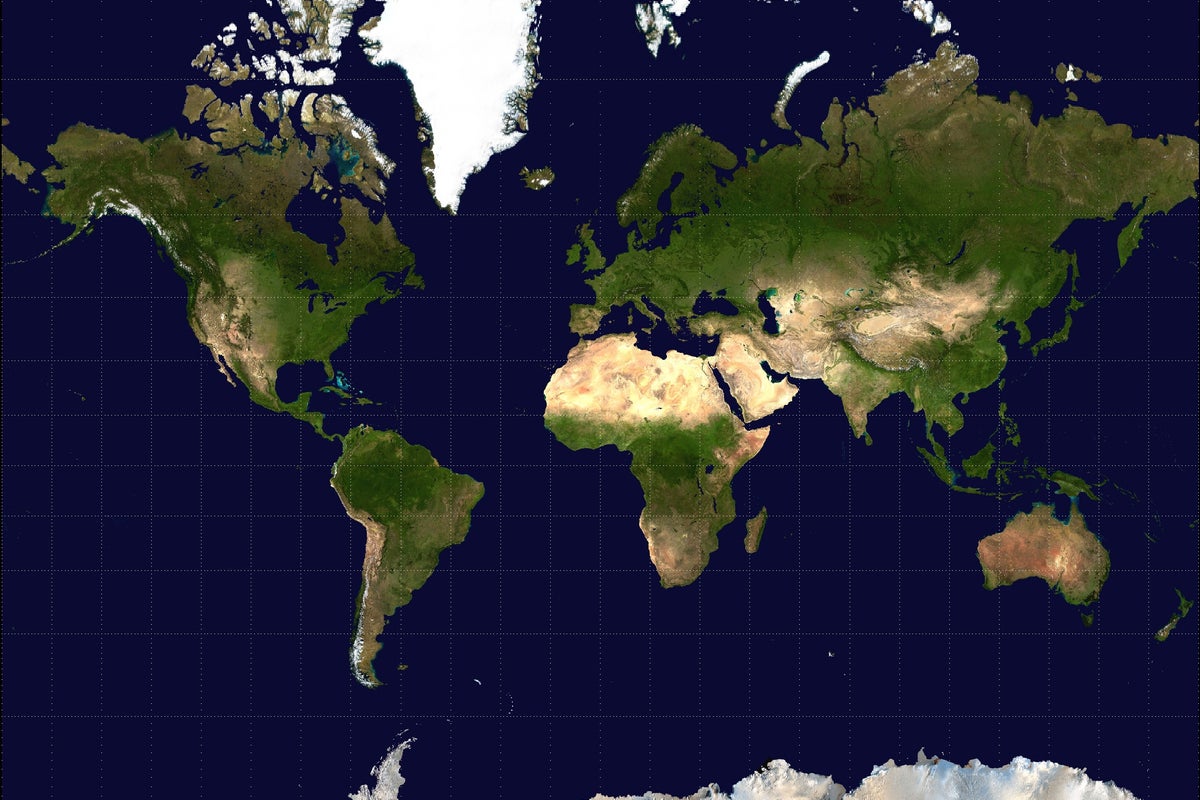
Now, look at a map. Follow the coast of the UAE past the glitz of Dubai and the skyscrapers of Abu Dhabi. Travel north and east, crossing the jagged Hajar Mountains until the land meets the Gulf of Oman. Here, tucked away from the volatile interior of the Persian Gulf, lie the ports of Fujairah and Khor Fakkan. They are no longer just shipping hubs. They have become the emergency exits for an entire region. To read more about the background here, BBC News offers an excellent breakdown.
The Captain’s Choice
Consider a hypothetical merchant captain named Elias. He is responsible for a vessel the size of three football fields, carrying cargo worth more than the GDP of a small island nation. As he approaches the region, his insurance premiums are skyrocketing. The news reports are filled with whispers of seized tankers and shadow-war maneuvers.
Elias has a choice. He can steer his ship through the Strait of Hormuz, entering the enclosed bathtub of the Persian Gulf where tension is a physical weight in the air. Or, he can dock at the eastern ports. By offloading at Fujairah, his cargo is already "outside" the bottleneck. From there, it can be trucked or piped across the desert to the rest of the country and beyond.
It is a bypass surgery for the global supply chain.
The stakes are invisible until they aren't. We don't think about the logistics of a light switch or a loaf of bread until the ship carrying the fuel or the wheat is stuck behind a naval standoff. The UAE has spent billions ensuring that if the front door is ever locked, the side door is wide open.
The Mountain That Moves
The transformation of the eastern coast wasn't an accident of nature. It was an act of brutal engineering. To connect these ports to the economic heart of the country, engineers had to carve through the Hajar Mountains—ancient, scorched rock that resisted every drill bit and dynamite charge.
The result was a network of highways and, more importantly, the Habshan-Fujairah pipeline. This 230-mile artery allows the UAE to pump 1.5 million barrels of crude oil a day directly to the coast of the Gulf of Oman. It effectively renders the Strait of Hormuz optional for a massive chunk of the nation’s exports.
But oil is only half the story.
Hunger is the silent driver of policy in the desert. The UAE imports nearly 90% of its food. If the Strait were closed for even a month, the grocery store shelves in Dubai would turn into empty galleries of dust. To prevent this, the government built massive grain silos in Fujairah, towering monuments to the fear of a hungry populace. These silos hold enough wheat to keep the bread ovens running long after the ships stop coming.
A Fragile Lifeline
There is a temptation to look at these massive investments and feel a sense of security. But "fragile" is the operative word.
The eastern ports are efficient, but they are not infinite. If a major conflict actually shuttered the Strait, the sheer volume of traffic trying to squeeze into Fujairah and Khor Fakkan would be overwhelming. You cannot fit a gallon of water into a pint glass, no matter how reinforced the glass is.
Infrastructure is a game of mitigation, not total elimination of risk.
The workers at these ports understand this better than the analysts in London or Washington. They see the physical limits of the docks. They see the exhaustion in the eyes of the truck drivers who must navigate the mountain passes when the sea lanes grow too dangerous.
The reality is that peace is the only truly "robust" infrastructure. Everything else is just a very expensive, very impressive bandage.
The Weight of the Horizon
Back on the pier, the crane operator moves another box. Each click of the spreader bar is a heartbeat in a system that never sleeps.
We live in a world of "just in time" delivery, where we expect the things we need to appear exactly when we want them, regardless of the geopolitical storms brewing thousands of miles away. We have become detached from the physical reality of our survival. We forget that our comfort is balanced on the edge of a few concrete piers and the courage of captains like Elias.
The UAE’s eastern ports are a testament to foresight, yes. They are a marvel of logistics. But they are also a confession. They are a physical admission that the world we have built is shockingly thin, and that our lives are often tethered to a single stretch of water that can be closed by a few well-placed mines or a single diplomatic failure.
As the sun sets over the Hajar Mountains, casting long, purple shadows over the rows of containers, the ports don't look like symbols of strength. They look like what they truly are: a desperate, brilliant attempt to hold back the chaos of the unknown.
The sea continues its rhythmic pulse against the quay, indifferent to the billions of dollars of cargo resting on its surface, waiting for the next ship to find its way home.