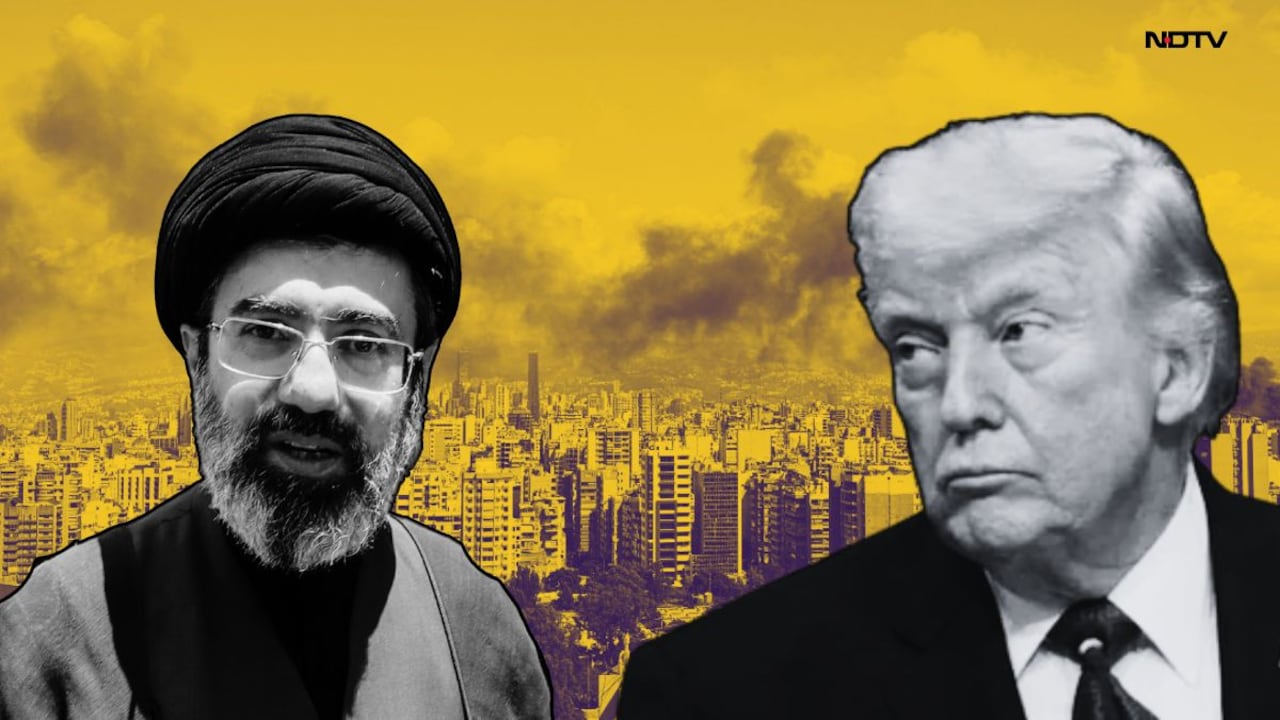
The diplomatic machinery trying to unblock the Strait of Hormuz has officially ground to a halt. When Washington sent its counter-proposal back to Tehran, the response wasn't a counter-offer or a compromise. It was silence, punctuated by high-ranking Iranian officials calling the U.S. terms completely insufficient.
If you are wondering why global energy markets are sweating, look no further than this widening chasm between what Tehran demands and what the White House is willing to put on the table. The core dispute isn't just about shipping lanes anymore. It is a fundamental disagreement over who dictates the rules of engagement in the Persian Gulf.
The Anatomy of a Deadlocked Proposal
Back when regional intermediaries like Qatar and Pakistan first started shuttling between capitals, there was cautious optimism. Iran laid out a multi-step framework intended to address the closure of the crucial waterway. That framework hinged on seven distinct conditions.
The list includes heavy hitters:
- Lifting sweeping economic sanctions
- Ending the U.S. naval blockade targeting Iranian ports
- Releasing roughly $12 billion in frozen Iranian assets abroad
- Providing concrete security guarantees against future military strikes
Washington's reply chose to sidestep or outright reject the heaviest demands. U.S. officials maintain that any serious diplomatic track must immediately tackle Iran's nuclear enrichment program from day one. Tehran views that sequencing as a non-starter. Iranian leadership insists that the initial phase must focus exclusively on lifting sanctions and securing the waterway, leaving broader concessions for later.
Why the Silence Matters
When communication channels go cold in a theater of active naval friction, the risk of miscalculation skyrockets. Mohsen Rezaei, Secretary of Iran's Supreme National Security Council, made it clear that Tehran does not find Washington's current posture convincing. Instead of firing back revisions through Qatari or Pakistani mediators, Iranian authorities have effectively pressed pause on direct replies, leaving regional diplomats scrambling to find common ground.
The U.S. has reinforced its military posture in the region, bringing additional carrier strike group assets into theater to signal strength. Yet military posturing hasn't budged the reality on the water. The strategic strait remains heavily constrained, forcing alternative energy routes and rippling costs through global supply chains.
The Core Misunderstanding Over Leverage
A major stumbling block in these stalled talks is a stark difference in perception. American officials have repeatedly downplayed the strategic impact of the Hormuz closure, arguing that Iran's leverage is overstated and that global markets can absorb the disruption.
Tehran's foreign ministry rejects that assessment entirely, pointing to the tangible realities on the ground and the persistent disruption of tanker traffic. Because both governments are publicly anchored to mutually exclusive starting points, neither side wants to blink first. Washington wants nuclear concessions upfront; Tehran wants economic relief and shipping sovereignty before it budges an inch on security.
Until one side decides to alter its sequencing or sweetens the diplomatic package through backchannels, expect the standoff to persist. The current radio silence is a loud message in itself.