The map posted by Donald Trump earlier this week wasn't just a political jab. It was a declaration of intent that has turned the world’s most critical energy chokepoint into a high-stakes territorial dispute. By labeling the Strait of Hormuz "New U.S. Territory," the President effectively signaled that the rules of engagement in the six-month-old Iran war have fundamentally shifted.
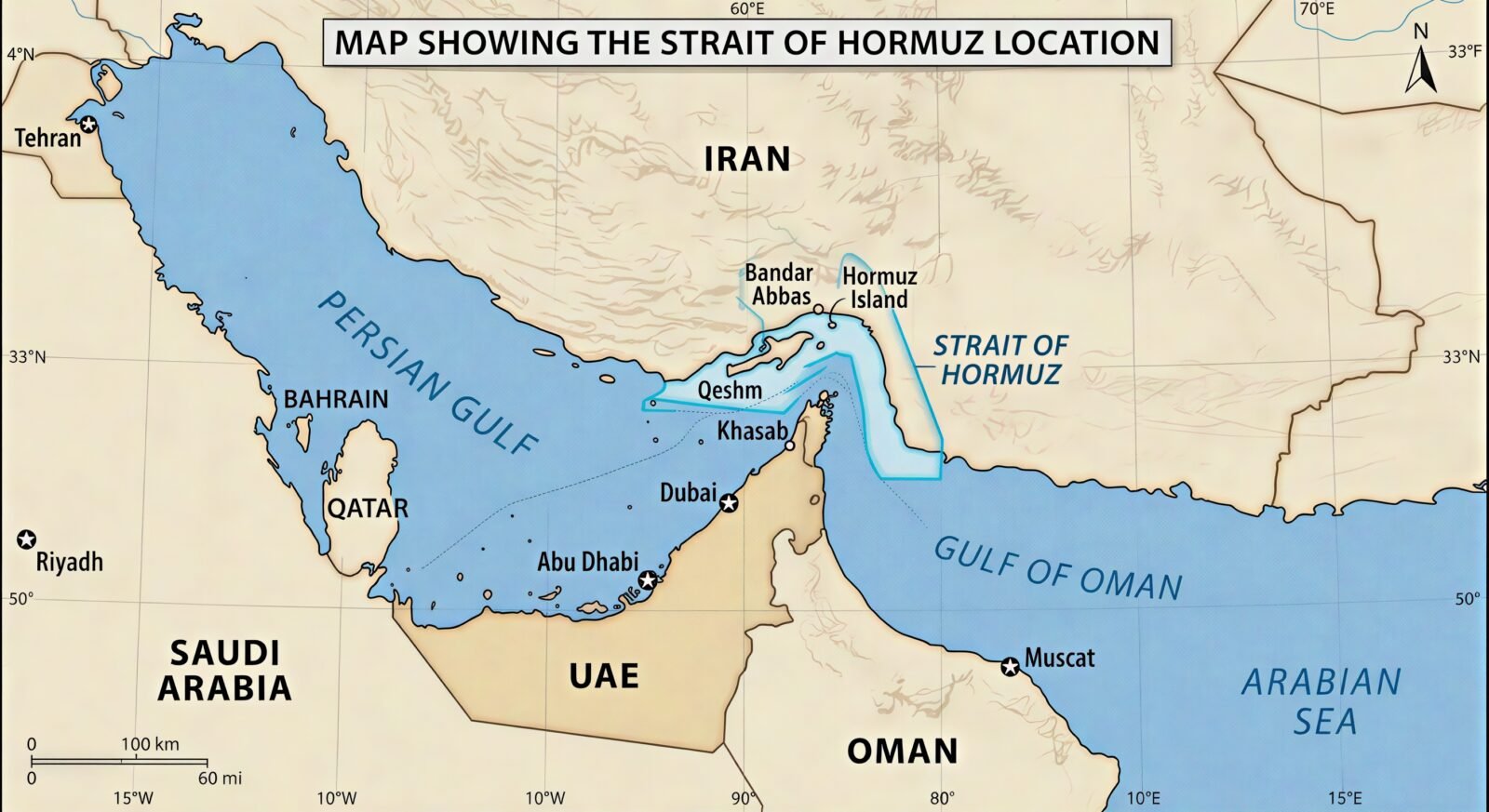
You need to understand the geography to see why this matters. The Strait of Hormuz is narrow, yet it functions as the global artery for nearly one-fifth of the world’s oil. When Tehran effectively shut it down following the outbreak of hostilities on February 28, it wasn't just a military move—it was an economic siege. Trump’s latest claim of sovereignty is a direct challenge to that blockade, even as the administration insists that no formal negotiations with the Iranian government are on the table.
The Reality of Control on the Water
For months, the narrative coming out of Washington and Tehran has been a tug-of-war. Trump claims the waterway is "open and operating," citing the removal of naval mines and a persistent U.S. naval blockade as evidence of total control. On the other side, Iranian officials like Mohammad Bagher Ghalibaf remain firm. They insist the route stays closed until Washington fulfills commitments from a June memorandum of understanding—demands that include lifting port blockades and releasing frozen assets.
The discrepancy between these narratives is jarring. Shipping data from platforms like Kpler shows that traffic through the Strait has plummeted. With only a handful of vessels transiting on recent days, it's clear that the "open and operating" status is, at best, aspirational. Commercial insurers and shipping companies aren't looking at maps on social media; they're looking at the risk of drone attacks and the threat of maritime projectiles.
Why Trump is Raising the Stakes Now
Why drop a "New U.S. Territory" map now? The 60-day negotiating window established in June has officially expired. With no deal in place and the conflict showing no signs of cooling, the President is betting that aggressive rhetoric might break the stalemate.
This isn't new territory for his administration. Back in March, Trump was already calling on other nations to help secure the passage, even as he claimed to have decimated Iran’s military capabilities. But the situation has morphed. The focus has moved from simple military suppression to a contest over legal and territorial rights. By asserting ownership, the administration is attempting to strip Tehran of its primary leverage: the ability to strangle global energy markets at will.
The Regional Ripple Effect
The impact of this standoff isn't limited to the two main actors. Countries like Oman, which have been acting as intermediaries, are caught in the middle. Reports indicate that Trump has even threatened military action against Oman for attempting to facilitate a separate agreement between Muscat and Tehran.
The United Arab Emirates is also feeling the heat. After a period of relative calm, the country recently reported missile activity and has moved to suspend trade with Iran. This creates a volatile environment where one miscalculation—whether it’s a stray missile or an unauthorized vessel transit—could spark a wider confrontation.
What This Means for Global Markets
If you're watching the energy sector, don't expect stability anytime soon. The "new territory" claim is likely to increase insurance premiums for any shipping company brave enough to test the blockade. Furthermore, the expiration of the June memorandum means the "ceasefire" period is officially over.
- Watch the shipping data: Look for shifts in transit volume, not just official press releases.
- Monitor the military posture: Any reports of increased naval activity in the Gulf of Oman or the Persian Gulf are the real indicators of whether the Strait is truly "operating."
- Ignore the noise: The rhetoric regarding ownership is a tactical distraction. The real battle remains centered on whether Washington can force the waterway open without triggering the regional firestorm Iran has repeatedly threatened.
The situation remains fluid and dangerous. Tehran has warned that it considers any U.S. assertion of sovereignty to be a direct violation of its own territory. Whether this leads to a formal escalation or remains a war of words depends entirely on whether either side is willing to blink first. For now, the Strait of Hormuz remains the most dangerous stretch of water on the planet.