Every analyst with a Bloomberg terminal and a desk in London is hyperventilating over the latest diplomatic whispers between Tehran and Muscat. The narrative being peddled is neat, comforting, and entirely wrong. The consensus tells us that a temporary shipping corridor through the Strait of Hormuz, cooked up by Iran and Oman as an end-run around Washington's sanctions wall, is the tactical maneuver that changes Middle Eastern maritime trade.
It is a fairy tale for terminal observers.
I have watched maritime risk desks panic over diplomatic theater for fifteen years. I have seen syndicates blow millions on hedging strategies built on press releases that were dead on arrival. The entire premise of this bilateral bypass rests on a fundamental misunderstanding of how crude actually moves, who holds the real leverage, and why Iran does not actually want an open escape hatch for independent barrels.
Let us dismantle the laziness.
The Geography of Control Is Not Negotiable
The core fallacy of the Iran-Oman corridor thesis is the belief that shifting the paper trail away from Western insurance pools solves the physical bottleneck.
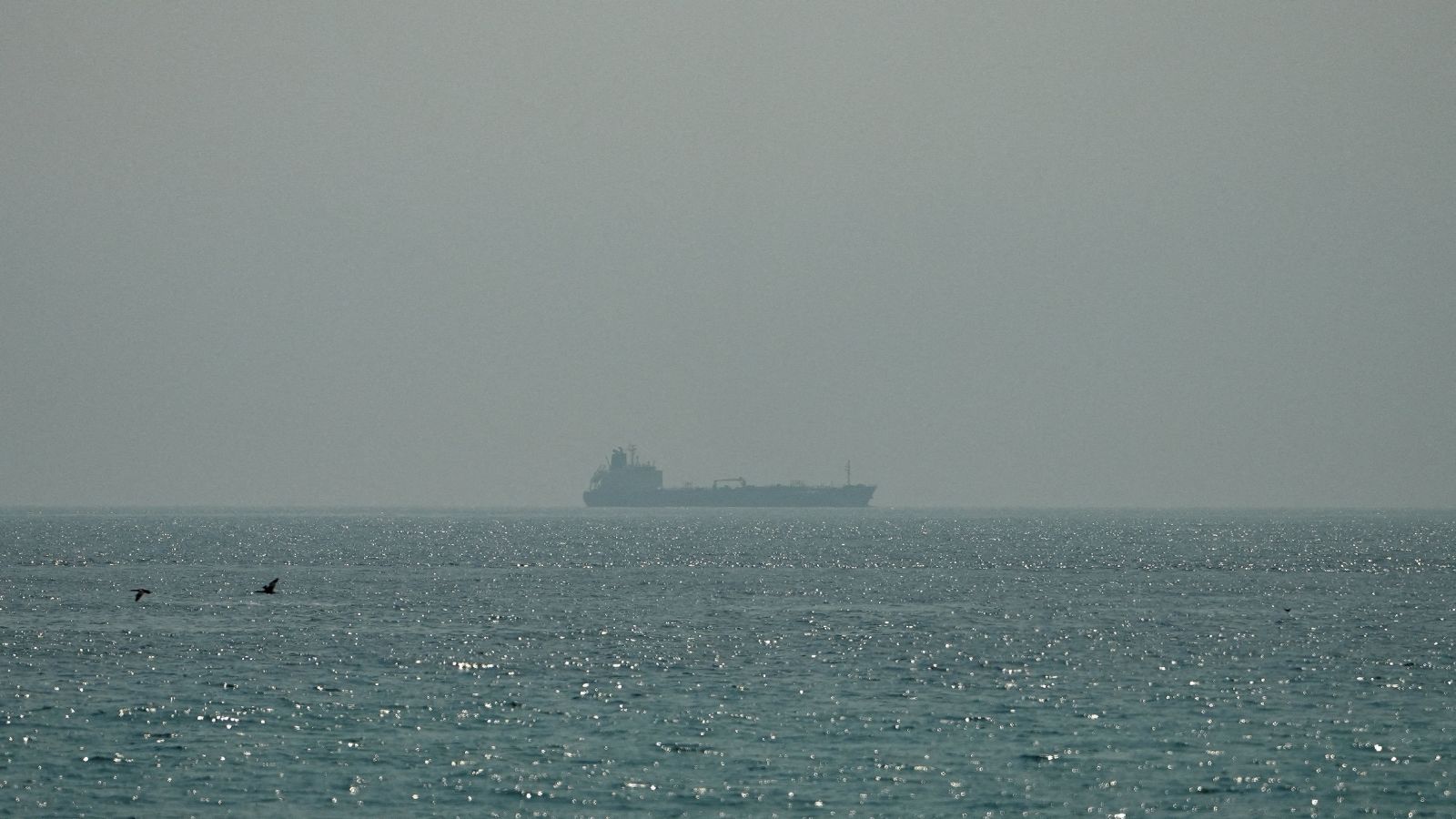
Let us look at the geography. The Strait of Hormuz is roughly twenty-one miles wide at its narrowest point, with the inbound and outbound shipping lanes each just two miles wide. Both lanes sit squarely within Oman’s territorial waters, but the deep-water channel and the prevailing traffic separation schemes run right under the watchful gaze of the Islamic Revolutionary Guard Corps Navy.
When Tehran talks about opening a bilateral transit corridor with Muscat, desk analysts assume this means a protected maritime highway where Western interdiction forces lose jurisdiction. That is nonsense. Oman has zero appetite to turn its territorial waters into a shooting gallery or a staging ground for sanctions-busting supertankers. Muscat's entire foreign policy doctrine is built on neutrality and quiet mediation. They host the talks; they do not militarize their coastline to escort Iranian condensate past US Fifth Fleet patrols.
Imagine a scenario where a tanker flying a flag of convenience slips through this newly minted Omani-brokered lane. What happens when it hits the open Arabian Sea and requires international P&I club re-insurance? It hits a brick wall. Maritime commerce is not governed by where you sailed yesterday; it is governed by who underwrites your hull when a missile or a mine turns your cargo into an environmental disaster.
Oman cannot issue a Western-recognized certificate of financial responsibility. Iran cannot guarantee safe passage past insurance underwriters who look at Lloyd's of London risk metrics rather than bilateral communiqués. The corridor is a line drawn in sea foam.
The Myth of Sanctions Evasion Through Bureaucratic Tricks
The lazy consensus also assumes that Iran is desperate for new legalistic avenues to move hydrocarbons because its current export machine is choking.
Let us look at the actual data. Tehran is already pushing record volumes of crude to independent Chinese refiners through the dark fleet. They do not need a quaint diplomatic corridor with Oman to move barrels; they use ship-to-ship transfers off the coast of Malaysia, spoofed transponders, shell companies registered in Hong Kong, and a rotating cast of rusty VLCCs that turn their AIS transponders off the moment they clear the Persian Gulf.
Why would Tehran formalize a transparent, Omani-monitored corridor when opacity is their primary weapon? Formal corridors require inspections, paperwork, and bureaucratic checkpoints. Shadow trade thrives on the grey zone. By negotiating a high-profile "temporary corridor," Iran achieves two strategic objectives that have nothing to do with saving shipowners money.
First, it creates diplomatic friction between Washington and Muscat, signaling to the Gulf Cooperation Council that smaller Arab states can cut independent deals without American clearance. Second, it gives the appearance of de-escalation, lowering oil futures just enough to prevent aggressive Western supply-side interventions while changing precisely zero barrels of actual throughput.
It is a masterclass in strategic misdirection. And the media bought it wholesale.
The Real Bottleneck Is Not Washington
Ask any senior underwriter in the London marine market what keeps them awake at night regarding the Strait of Hormuz, and they will not mention US Treasury sanctions. They will mention kinetic risk.
The primary constraint on Hormuz traffic has never been regulatory paperwork. It is the very real threat of asymmetric naval disruption. Iran knows that choking twenty percent of the world's petroleum supply is its ultimate geopolitical deterrent. If Tehran wanted a frictionless transit system, they would de-escalate their proxy networks in the Bab el-Mandeb and the Persian Gulf tomorrow.
Instead, they maintain a hair-trigger environment where the cost of risk is priced directly into every barrel. When you introduce a "temporary corridor" managed by Oman, you are asking shipowners to trust that a regional actor who routinely seizes commercial vessels will suddenly respect a bureaucratic lane marker.
No sensible master of a multi-million-dollar tanker is going to alter their risk assessment based on an agreement that can be canceled by a hardliner's speech in Tehran before the breakfast news cycle ends. The insurance premiums will not drop by a single basis point. The security protocols will not soften. The charterers will continue to demand high-risk surcharges.
The Uncomfortable Truth About Maritime Hegemony
We are witnessing the slow decay of unilateral maritime policing, but the replacement is not bilateral diplomacy between minor regional powers. The replacement is complete fragmentation.
When you look at the Omani corridor reports, you are looking at symptoms of a system searching for stability where none exists. The global energy market is splitting into two distinct pricing and transit ecosystems: one bound by Western compliance, dollar clearing, and traditional maritime law; and another operating in the shadows with non-dollar settlements, state-backed insurance pools, and dark-fleet logistics.
A half-baked bilateral corridor does not bridge these two worlds. It simply provides fodder for algorithm-driven trading desks that trade on headlines and bleed capital on reality.
Stop looking at the press releases coming out of Muscat. Stop pretending that a diplomatic handshake between neighbors alters the hard geometry of naval power projection and insurance mathematics.
The Strait of Hormuz is not opening up for polite business. The gate remains locked, and the key is held by people who profit from the tension.