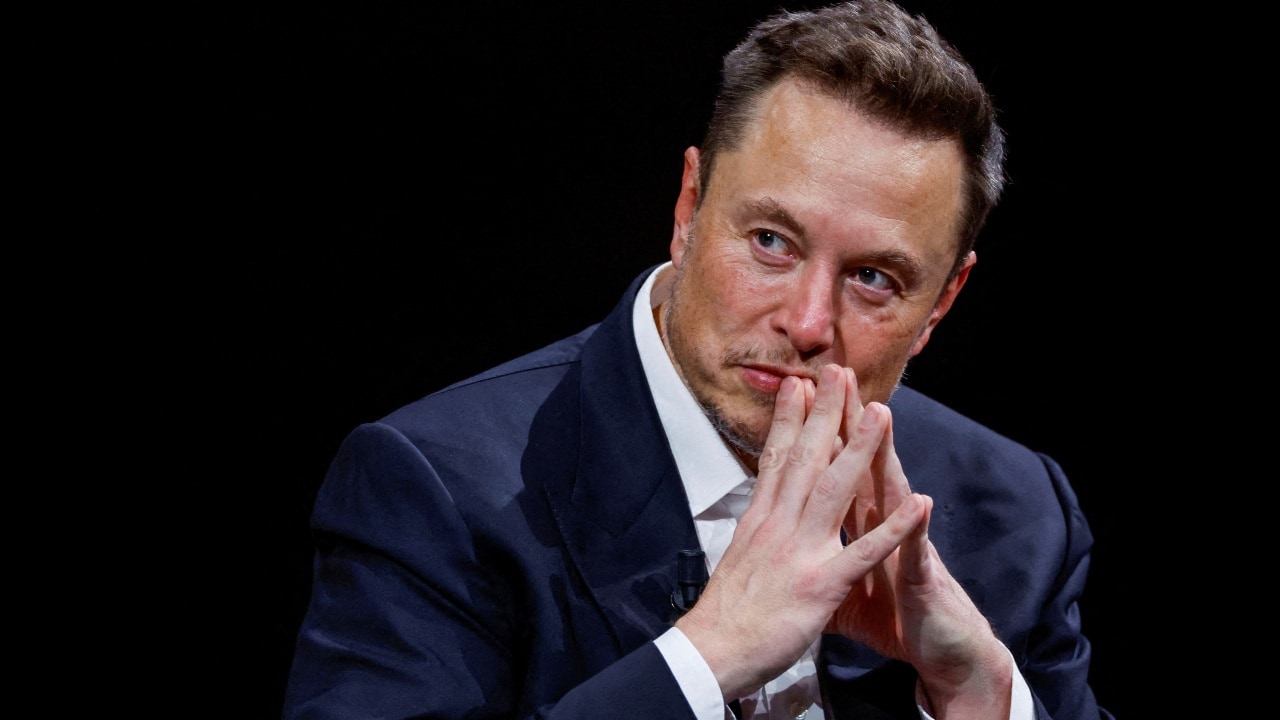
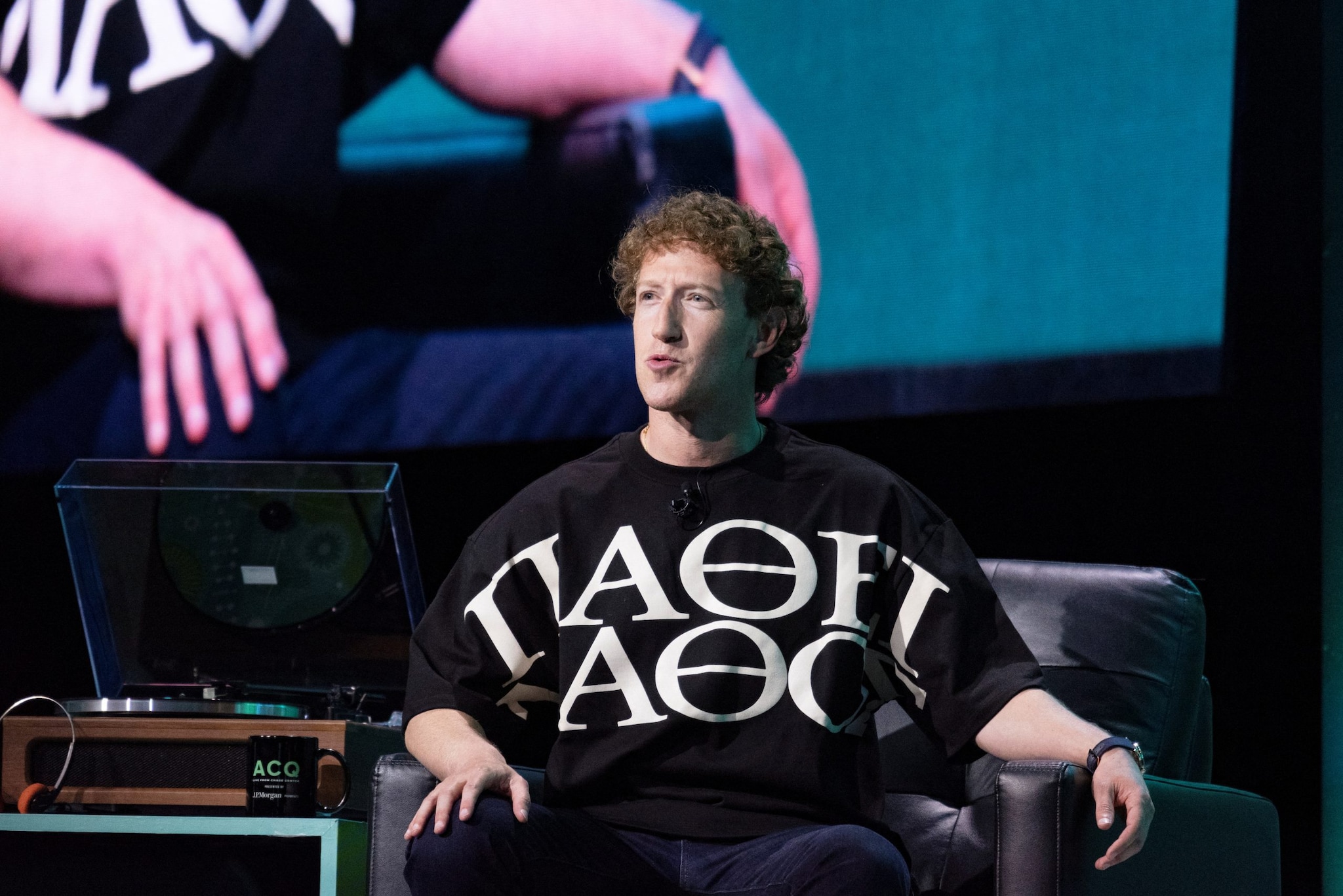
The media is obsessed with a soap opera. They want to talk about Elon Musk’s "betrayal" or Sam Altman’s "messiah complex." They frame the legal war over OpenAI as a battle for the soul of humanity.
It isn't. It’s a fight over who gets to own the most valuable intellectual property in the history of the species.
The "lazy consensus" suggests this is a binary choice: either you support the noble, open-source nonprofit mission Musk claims to defend, or you support the pragmatic, for-profit scaling Altman argues is necessary to reach AGI. Both narratives are high-grade fiction.
I’ve watched Silicon Valley founders burn through billions while preaching "alignment." I’ve seen boards of directors act as nothing more than window dressing for the CEO’s ego. The reality of the Musk v. Altman trial, currently tearing through the federal court in Oakland, isn't about safety. It’s about a botched heist.
The Charity Theft Myth
Elon Musk stands on the witness stand and claims, "It's not ok to steal a charity." It’s a great soundbite. It’s also deeply hypocritical.
Let’s dismantle the premise. Musk’s primary grievance is that OpenAI "betrayed" its founding agreement to be a nonprofit. But look at the evidence presented in court. In 2017, Musk himself proposed a structure that would have given him majority control of a for-profit entity. He didn’t want to keep it a charity; he wanted to be the one holding the keys to the vault.
When he says the foundation of charity in the U.S. is at risk, he’s deploying a classic "save the children" tactic to mask a personal grudge. If the jury buys this, it’s not because Musk is a saint; it’s because Altman is a better politician.
The For-Profit Public Benefit Delusion
On the other side, OpenAI Group PBC (Public Benefit Corporation) claims they had to pivot to raise $13 billion from Microsoft because "research is expensive."
Stop falling for this.
The 2025 recapitalization of OpenAI, which turned the for-profit arm into a PBC while the "OpenAI Foundation" retained a 26% stake, is a masterclass in corporate obfuscation. They claim this structure "aligns incentives." In reality, it’s a way to let Microsoft and other investors extract massive value while maintaining a thin veil of altruism to dodge antitrust regulators and public outcry.
A "Public Benefit Corporation" is essentially a corporation with a marketing budget. It doesn't legally mandate that they prioritize humanity over shareholders; it just gives them a legal shield to say, "We thought about humanity while we cashed the check."
The AGI Definition is a Moving Goalpost
The "People Also Ask" crowd wants to know: "Who gets final say on when AGI is reached?"
The answer is: whoever has the most lawyers.
In the OpenAI-Microsoft agreement, Microsoft loses access to OpenAI’s tech once AGI is achieved. This creates a massive, perverse incentive for OpenAI to never officially declare they’ve reached AGI, or to define it so narrowly that it remains perpetually "just around the corner."
Imagine a scenario where a model can pass the Bar exam, write code better than a Senior Engineer, and simulate complex biological weapons, but OpenAI claims it isn't AGI because it lacks "subjective consciousness." That’s not a technical debate. That’s a multi-billion dollar accounting trick.
The False Choice of Safety vs. Speed
The competitor article frames this as a choice between Musk’s "Safety First" approach and Altman’s "Deploy and Learn" strategy.
This is a false dichotomy.
- Musk’s "Safety": He claims AGI is an "extinction risk," yet he is simultaneously building xAI to compete in the exact same race. You don’t get to ring the fire alarm while you’re pouring gasoline on your own pile of wood.
- Altman’s "Deployment": He argues that releasing GPT-4 and Sora to the public is "socialization" of the tech. No, it’s beta testing on a global scale for free, while harvesting user data to refine the next product you’ll have to pay for.
Why This Trial Actually Matters (And It’s Not Why You Think)
Forget the $150 billion in damages Musk is asking for. Forget the "removal of Altman" demands.
The real disruption here is the discovery process. For the first time, the internal emails, the board's frantic text messages during the November 2023 "coup," and the actual technical benchmarks for what OpenAI considers AGI are being dragged into the light.
We are seeing that the "Godfathers of AI" are just guys in Patagonia vests who are terrified of being left behind. They aren't philosophers; they are prospectors.
Actionable Order: Stop Asking Who "Should" Win
If you are waiting for a court to decide who is the "rightful" steward of AGI, you’ve already lost.
- Assume Capture: Treat every AI "safety" announcement from a major lab as a regulatory capture play. They want laws that make it impossible for small players to compete under the guise of "preventing catastrophe."
- Diversify Your Stack: If your business depends on OpenAI, you are a sharecropper on Altman’s farm. Use xAI, use Anthropic, use Llama 3. The only safety is in a fragmented market.
- Ignore the Charter: The OpenAI charter is a piece of paper. The only thing that governs these companies is their server costs and their GPU debt to Nvidia.
The trial in Oakland isn't about saving humanity. It’s about which billionaire gets to be the gatekeeper. Musk wants the crown he think he paid for; Altman wants the crown he actually built.
Pick a side if you like the drama, but realize that neither side is looking out for you.
The verdict won't create a safer AGI. It will just determine which bank account the royalties flow into.
Stop looking for a hero. Start looking for the exit.
This video provides a deep dive into the legal nuances of the Musk vs. Altman lawsuit, explaining how the outcome could fundamentally change the governance and profit motives of the entire AI industry.