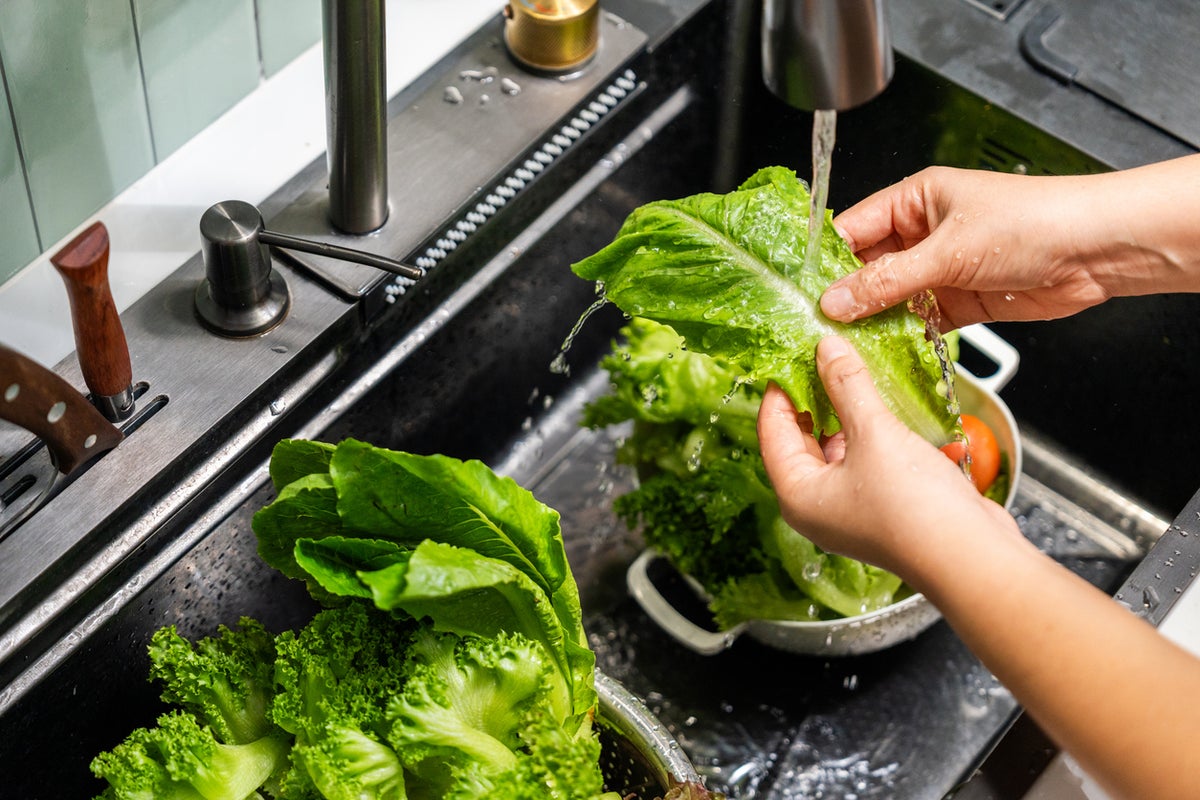
Every time a Cyclospora outbreak hits the headlines, the mainstream health establishment rolls out the same tired ritual. Public service announcements pop up everywhere. Experts look serious on morning television. They tell you to soak your greens in vinegar, rinse them under cold water, and scrub them with pious devotion. It is a comforting ritual. It makes you feel like you are taking control.
It is also entirely useless.
I have spent years watching food safety bureaucracy treat public intelligence like a liability. The lazy consensus surrounding foodborne illness is built on a comforting lie: that individual kitchen hygiene can outsmart industrial agricultural vectors. You are told that a splash of tap water or a bath in lemon juice will save you from a parasite that has already integrated itself into the vascular system of the plant.
Spoiler alert: it won't.
The Anatomy of a Phantom Safety Measure
Let us define our terms before we go any further. Cyclospora cayetanensis is not a bacterium you can simply rinse off with a bit of elbow grease. It is a single-celled parasite. More specifically, it is a coccidian protozoan. When it hitches a ride on your pre-washed, triple-packaged spring mix, it does not sit loosely on the surface like dust on a coffee table.
It gets absorbed. Irrigation water contaminated with human fecal matter does not just wet the outside of a leaf. Through capillary action and the natural growth cycle of leafy greens, microscopic pathogens infiltrate the stomata and internal tissues.
Imagine a scenario where you drop a sponge into a bucket of dyed wastewater. Squeezing the outside or running it under the kitchen tap for ten seconds does not change the color of the core.
Yet, mainstream outlets keep peddling the myth of the DIY kitchen decontamination unit. They publish guides on how to sanitize bagged salads at home, giving consumers a false sense of security while ignoring the actual supply chain failures that put the parasite there in the first place. When you soak contaminated lettuce in your sink, you aren't sterilizing it. You are cross-contaminating your dish towel, your counter, and every other vegetable sitting next to it.
Why the Domestic Kitchen is Losing the War
The food safety industrial complex wants you to believe that food poisoning is a personal moral failing. If you get sick, it must be because you forgot to wash your hands or you bought the wrong brand of salad spinner. This is a convenient deflection for producers who rely on massive, centralized farming operations where a single contaminated water source can infect millions of bags of greens across thirty states.
The standard advice fails because it misidentifies the enemy.
- The Tap Water Fallacy: Municipal water treatment plants filter for bacteria and viruses, but they are not universally optimized to strain out resilient protozoan oocysts.
- The Vinegar Myth: People love to swear by home remedies like vinegar or baking soda washes. While acetic acid might reduce surface bacterial loads slightly, clinical data shows it has virtually no impact on Cyclospora oocysts. You are essentially pickling your greens in a placebo.
- The Expiration Date Delusion: A use-by date tells you when the leaf turns to mush, not when it stops being a vehicle for parasites. Cyclospora does not care about your calendar.
The truth is stark. If a batch of imported basil or bagged lettuce is compromised at the farm level, your kitchen counter setup cannot fix it. Cooking destroys the parasite, but nobody wants to eat boiled romaine.
The Uncomfortable Reality of Raw Produce
If you want absolute zero risk of contracting cyclosporiasis from your lunch, you have to accept a fundamental reality: raw field-grown greens eaten fresh are an inherent biological gamble.
Agriculture is an open-air system. It interacts with wildlife, surface runoff, and human labor pools. When we demand out-of-season berries in February and pre-washed, hyper-convenient salads that last two weeks in the crisper drawer, we are scaling up an industrial distribution network that relies on speed over sterility.
The downside of my approach is simple: you have to give up the illusion of control. You can spend twenty minutes meticulously leafing through your salad, drying every piece with pharmaceutical precision, and still lose the lottery because the contamination happened three weeks prior in a foreign river basin.
So what do we actually do?
Stop Faking It
First, drop the domestic decontamination theater. Stop wasting time with expensive vegetable washes and vinegar baths. They are psychological pacifiers.
Second, shift your risk tolerance. If a Cyclospora advisory hits your region, pay attention to the vector tracking data provided by public health authorities, but look at the source, not just the symptom. Notice how outbreaks frequently cluster around specific imported produce categories during specific calendar windows. Instead of trying to wash away a systemic failure, pivot your purchasing habits. Shift toward greenhouse-grown greens, hydroponic local setups that bypass open-water agricultural runoff entirely, or simply cook your brassicas and greens when advisory numbers spike.
The health establishment wants you to keep washing your lettuce because telling you the truth—that industrial food logistics occasionally outruns our ability to keep it clean—is bad for business.
Don't fall for the rinse cycle. Eat smarter, accept the mechanics of the supply chain, and stop marinating your dinner in false hope.