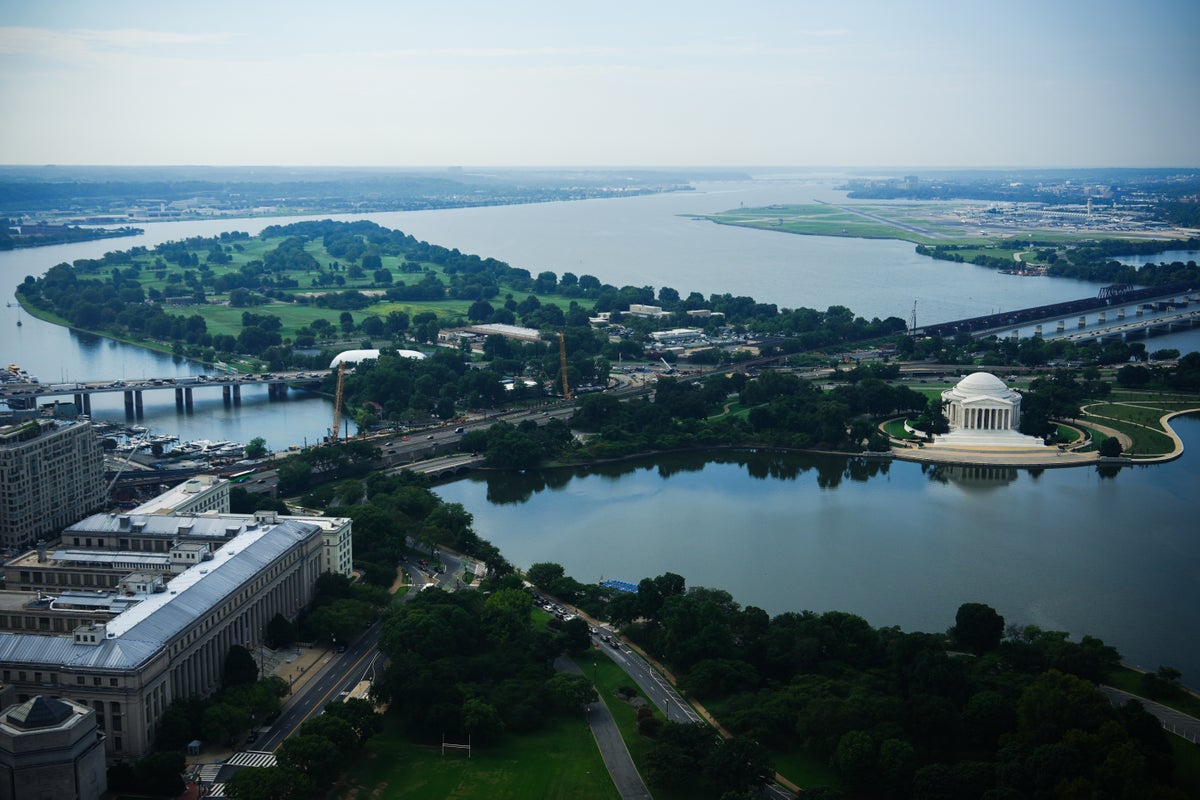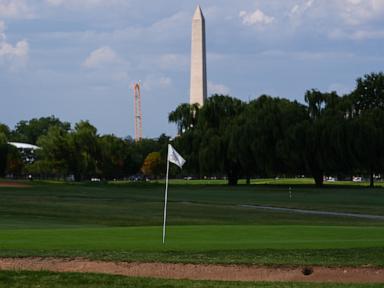
The hand-wringing over Washington's East Potomac Golf Links misses the real disease rotting American municipal golf: the low-soft bigotry of treating public links like municipal landfills.
Mainstream coverage loves the comforting narrative of a populist sanctuary under assault by a presidential ego. We are fed images of retirees and working-class hackers dodging goose droppings on crabgrass fairways, framed as a romantic bastion of egalitarian sport. This lazy consensus assumes that because a course is cheap and public, it has some inherent right to remain decrepit, ill-routed, and functionally obsolete.
That perspective is paternalistic garbage.
Public golfers do not want to play on a goat track. They want firm turf, penal bunkers, smart architecture, and a course that does not play like a glorified cow pasture. When the federal government or municipal boards neglect public layouts under the banner of accessibility, they are not protecting the working class. They are shortchanging them.
Let us look at the actual math of municipal golf infrastructure. East Potomac currently crams three separate layouts—including a clunky 18-holer and sub-par short courses—onto a prime peninsula jutting into the Potomac. It is an architectural mess. For decades, players accepted sub-standard conditions because municipal budgets were chronically starved, operated by bureaucrats who view golf course maintenance through the lens of park district mowing schedules rather than agronomic science.
When private entities or high-profile overhauls step in with a heavy hand, the pearl-clutching begins. Critics shriek about yardage stretching past 7,600 yards and design work by blue-chip architects like Tom Fazio, warning that tour-level lengths will alienate the average slicer.
This argument assumes municipal golfers cannot handle a real golf course. It assumes public track players only deserve short, squashed holes where they can hit a wedge and chase a cheap beer. That is insulting. A well-designed, championship-caliber routing does not inherently lock out the public; poorly managed pricing and municipal corruption do. If a public facility is rebuilt into a world-class venue, the mandate should be simple: protect resident ID card discounts, subsidize junior play, and let the architecture match the majesty of the monuments visible from the fairways.
Imagine a scenario where every major metropolitan city took its downtown municipal golf asset and subjected it to a high-end, uncompromising architectural redemption. Instead of accepting drainage failures, compacted dirt, and greens that roll at an eight on the stimpmeter, public golfers would experience firm, fast-running turf options that reward actual strategy.
The resistance to the East Potomac redesign also exposes a profound hypocrisy within modern golf architecture circles. For years, boutique non-profits and elite restoration snobs have preached the gospel of minimalist design, yet they clutch their pearls when someone tries to build a bold, muscular course that can actually stand up to the modern game. They prefer the romanticized decay of short municipal courses because it keeps elite golf safely sequestered behind private club gates in Virginia and Maryland, while the plebs are left to hack away on mud-soaked flats in the District.
If you want public golf to survive the coming decades of economic pressure and real estate competition, it has to elevate its standards. Mediocrity is not a public service. Slapping a "historic" label on a poorly drained layout with zero architectural merit is an insult to the people playing it.
Stop defending the right of public courses to be bad. Demand better architecture, sharper conditioning, and zero apologies for wanting municipal golf to look and play like a masterpiece.