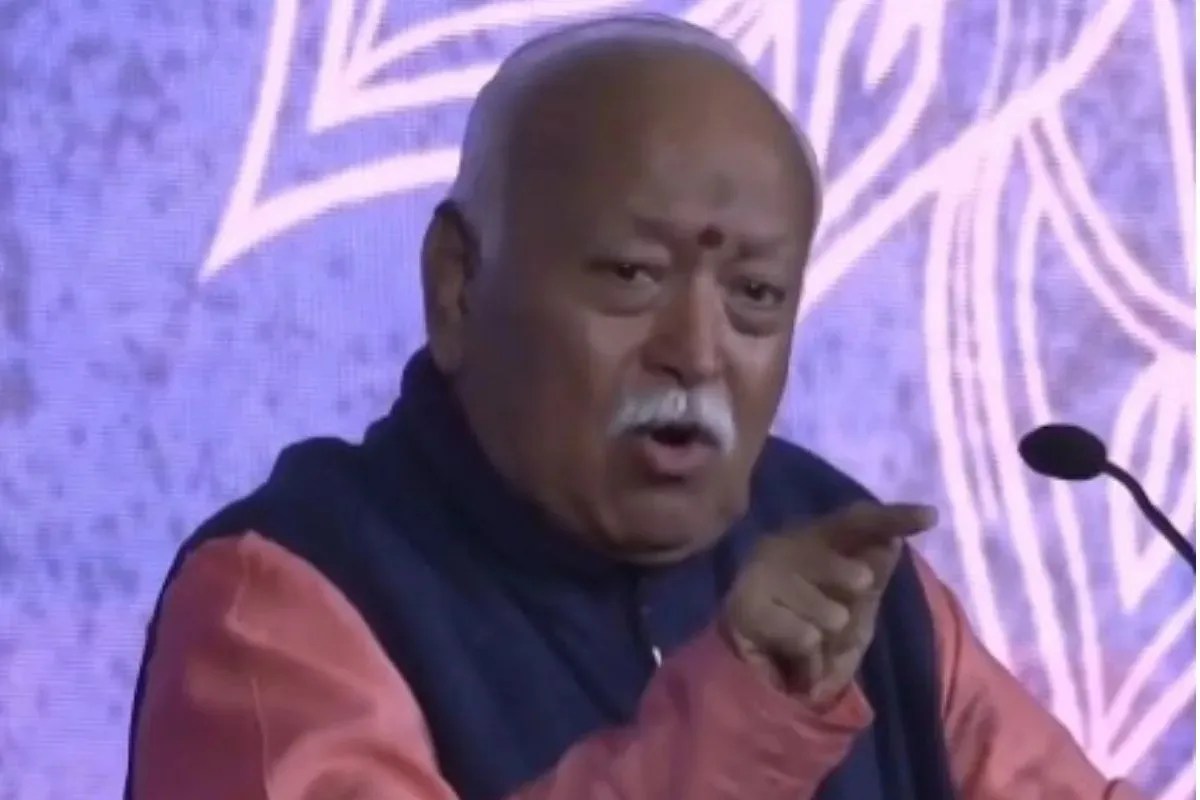
Every time a public figure steps onto a dias abroad and invokes cosmic welfare, the room erupts in applause. The lazy consensus says this is soft power at its finest. The narrative writes itself: ancient philosophical frameworks offering a moral compass to a fractured globe. When RSS chief Mohan Bhagwat tells a Toronto audience that traditional Indian prayers stretch past national borders to encompass the entire cosmos, commentators nod along, praising the universalist appeal.
It is comfortable. It is emotionally satisfying. And it is entirely useless when you are trying to navigate actual geopolitical friction.
I have spent decades watching analysts mistake rhetoric for strategy. We confuse cultural aesthetics with operational leverage. Treating a spiritual axiom as a foreign policy blueprint is like trying to fix a supply chain bottleneck with a Sanskrit verse. It feels profound, but cargo ships still miss their docking windows.
Let us dismantle the core fallacy here. The assumption is that universalist phrasing automatically translates to universalist influence. History demonstrates the exact opposite. Real leverage requires borders, hard boundaries, and transactional reciprocity. When you claim everything belongs to your cosmic neighborhood, you risk managing nothing effectively in your own backyard.
The Myth of Cosmic Diplomacy
Foreign policy is not a yoga retreat. It is an arena of competing self-interest, security dilemmas, and economic calculations. Nations do not align because they appreciate a philosophical nod toward planetary harmony. They align because their balance sheets overlap or their security umbrellas depend on it.
Where the Argument Falls Apart
- The Abstraction Trap: Broad spiritual concepts lack enforcement mechanisms. You cannot sanction a rogue state with a chant.
- The Domestic Disconnect: Exporting a universal ethos while domestic infrastructure stutters creates an immediate credibility gap.
- The Receiver's Bias: Foreign audiences hear what fits their own political convenience, missing the specific cultural nuances entirely.
Imagine a scenario where a mid-sized economy faces severe energy shortages. Does the governing body deploy ancient texts or negotiate hard currency pipelines? The answer dictates whether that nation survives the winter. Philosophy inspires poets, but trade agreements feed populations.
Rewriting the Playbook
If we want actual influence on the world stage, we have to stop leaning on cultural nostalgia as a substitute for institutional competence.
What Actually Works
- Economic Integration: Build dependency through manufacturing hubs and technological dominance, not philosophical appeals.
- Hard Security Partnerships: Share intelligence and maritime patrols with nations that actually border your contested zones.
- Institutional Export: Stop exporting ideas and start exporting standards, regulatory frameworks, and engineering talent.
We have an obsession with being liked rather than being necessary. That is the trap. The moment you prioritize universal validation over cold, calculated national interest, you become a spectator in your own geopolitical destiny.
Stop waiting for the world to applaud your heritage. Build something they cannot afford to ignore.