The headlines want you to terrify yourself over your kitchen counters. They want you to picture an invisible, killer mold creeping across doorknobs, waiting to strike down healthy citizens. The media is currently obsessed with Candida auris, screaming about a deadly fungal infection that survives on hard surfaces for weeks and is spreading across America at an alarming rate.
It is classic clickbait fearmongering. And it completely misses the point. You might also find this connected article interesting: The Mechanics of Crowd Asphyxiation and Why Mass Celebrations Turn Fatal.
The mainstream narrative treats this fungus like an airborne plague or a rogue bioterror agent. They focus on the surface survival time because it sounds scary. They focus on the rising case numbers to drive traffic. But if you are a healthy individual reading those articles in panic, you are worrying about the wrong thing entirely.
The fungus is not the core problem. The environment we created for it is. As reported in recent reports by Medical News Today, the results are significant.
The False Premise of the Surface Threat
Let us dismantle the primary myth right now. You are not going to catch Candida auris from a shopping cart. You are not going to pick it up at a restaurant table.
Yes, the Centers for Disease Control and Prevention (CDC) has tracked a surge in cases. Yes, this organism can persist on plastic and stainless steel for days, even weeks. But the lazy consensus implies that the physical surface itself is the active vector threatening the general public.
This ignores basic microbiology. Candida auris is an opportunistic pathogen. For the vast majority of the population with a functioning immune system and a healthy microbiome, this fungus is a non-issue. It does not colonize healthy, intact skin easily, and even if it hitches a ride, it rarely causes invasive disease.
The panic over surfaces shifts the blame away from where it belongs. I have spent years observing infection control protocols in various healthcare settings, and the reality is stark: this is an institutional failure, not a supernatural superbug invasion. The fungus is a symptom of a deeper, systemic rot in long-term acute care facilities and nursing homes.
The Reality of Who is Actually at Risk
The media loves to glaze over the actual demographic data because nuance kills the panic narrative. Look at the data from the heavy hitters in epidemiology. The individuals contracting invasive Candida auris infections are not average citizens walking down the street.
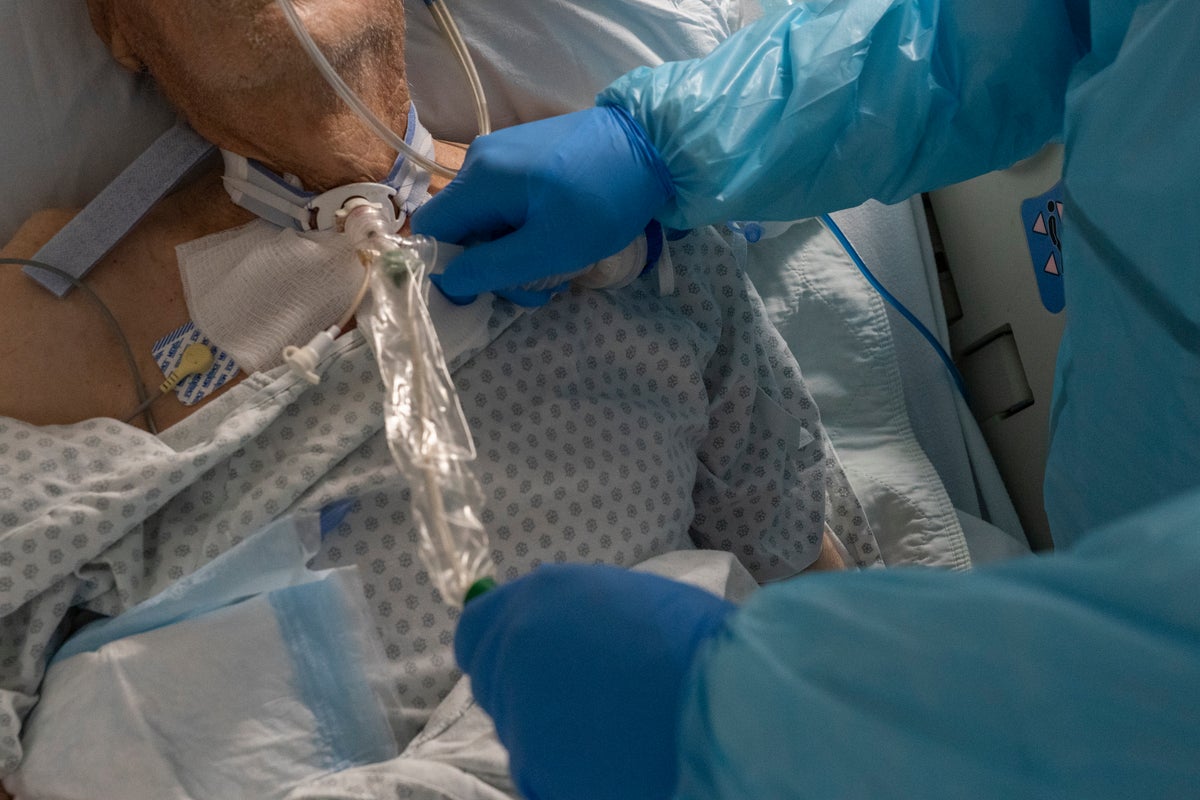
They are patients who have been subjected to heavy, prolonged courses of broad-spectrum antibiotics and antifungals. These medications wipe out the natural bacterial flora that keeps fungal populations in check. Combine that stripped microbiome with invasive medical devices—like central venous catheters, tracheostomy tubes, and feeding lines—and you create a perfect highway for an opportunistic organism to enter the bloodstream.
- Microbiome Depletion: Over-prescription of antibiotics turns the human body into an ecological desert, leaving it defenseless against resistant strains.
- Invasive Portals: Intravenous lines bypass the body’s primary defense mechanism: the skin.
- Systemic Vulnerability: The target demographic consists almost entirely of individuals already suffering from severe underlying conditions like organ failure, advanced diabetes, or profound immunosuppression.
When you see a statistic stating that 30% to 60% of people with invasive Candida auris infections die, that number is highly misleading out of context. Many of these patients were already near death from their primary illnesses. Disentangling whether they died with the fungus or from the fungus is an ongoing challenge for clinical pathologists.
The Failure of Modern Healthcare Hygiene
If we want to stop this rise, we need to stop buying more hand sanitizer for our homes and start auditing the operational realities of understaffed healthcare facilities.
The real reason Candida auris spreads is that long-term care facilities are often underfunded, understaffed, and operating on razor-thin margins. When a single nurse is responsible for too many patients, routine hand hygiene slips. When environmental services teams are rushed through room turnovers to maximize bed occupancy, disinfection protocols fail.
Imagine a scenario where an overworked healthcare worker moves from an infected, colonized patient to a vulnerable patient without completely replacing their personal protective equipment or thoroughly washing their hands. That is how the transmission happens. The fact that the fungus can live on a bed rail for three weeks is irrelevant if proper, rigorous terminal cleaning with sporicidal agents is executed correctly between patients.
We are blaming the microbe for surviving, rather than blaming the system for failing to clean it up. Standard quaternary ammonium disinfectants—the stuff found in most common hospital wipes—do not work well against Candida auris. Facilities must use specific EPA-registered disinfectants effective against Clostridioides difficile spores or fungal pathogens. Many facilities discovered this far too late because they were trying to cut costs on cleaning supplies.
The Downside of Our Cleanliness Obsession
Here is the counter-intuitive truth that nobody wants to admit: our obsession with sterilizing everything has actively contributed to this crisis.
By constantly blasting environments with standard antimicrobials, we have driven a brutal evolutionary selection process. We killed off the weak, susceptible bacteria and fungi that used to compete with pathogens like Candida auris for resources and space. What remains is a highly resistant, battle-hardened organism that thrives in the sterile voids we created.
This is the exact same mechanism that gave us MRSA and C. diff. Yet, the public reaction to every new outbreak is to demand more of the same failed strategy—more generic disinfectants, more isolation, more panic.
We cannot sterilize our way out of an evolutionary arms race when our baseline infrastructure is broken.
Fix the System, Stop Following the Fungi
If you want to solve the problem of rising fungal infections, stop looking at the fungus through a microscope and start looking at the hospital ledger.
We must mandate strict, legally enforceable nurse-to-patient ratios in long-term acute care facilities to ensure staff actually have the time to practice flawless hand hygiene. We must penalize institutions that fail to invest in proper, specialized cleaning solutions. We must halt the reckless, defensive over-prescription of antibiotics that prepares the patient's internal ecosystem for fungal colonization.
The rise of Candida auris is a warning shot. It is not a sign that nature is turning against us, but a mirror reflecting the cracked foundation of our clinical care models. Wash your hands, stop worrying about the subway seats, and start demanding that your local hospital adequately funds its environmental services department. That is where the battle is won or lost.