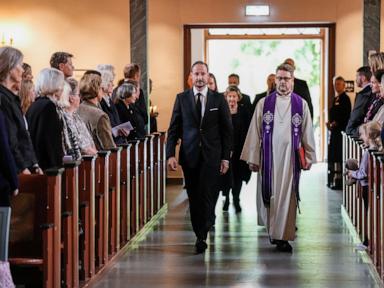
The media wants you to believe that the emotional sea of flowers outside the Royal Palace in Oslo represents a universal baseline of monarchical devotion. Piles of wreaths, weeping citizens, solemn headlines mourning the end of an era after King Harald V’s death at 89. It is the lazy consensus script of European obituary writing: a beloved patriarch passes, the nation unites in grief, and the crown transitions seamlessly to King Haakon VIII.
It is a comforting narrative. It is also a complete delusion.
Strip away the sentimental pageantry, and you find a Scandinavian institution facing an existential cliff that no amount of floral tributes can mask. The emotional memorials are not proof of a thriving monarchy; they are a nostalgic farewell to the last individual who made an inherently absurd political concept palatable to a modern, egalitarian society.
The Myth of Organic National Unity
We are fed the line that Harald V held Norway together through sheer moral gravity, pointing to his famous 2016 speech embracing diversity or his steady hand after the 2011 Utøya terror attacks. But attribute worship is a lazy substitute for structural analysis. Harald was popular because he acted like an anti-royal: self-deprecating, informal, fiercely dedicated to a common-man ethos.
Institutions that rely on the exceptional personality of one mortal to justify their existence are not stable. They are ticking time bombs. When public support plummets from over seventy percent down to fifty-four percent in a matter of months, the problem is not a temporary PR slump. The problem is that the sacred spell has broken.
The comforting columns about national grief ignore the glaring elephant in the room: the modern Norwegian crown is currently weighed down by a catastrophic series of scandals that Harald managed to insulate through sheer seniority. Crown Princess Mette-Marit’s documented communication history with Jeffrey Epstein and the criminal conviction of her son are not minor palace gossip. They are systemic failures of judgment at the very top of the succession chain.
The Succession Trap
Imagine a corporate board where the CEO position is locked by bloodline, the incoming executive inherits a tarnished brand, and the primary asset holding the customer base together just flatlined. Any market analyst would predict an immediate divestment. Yet political commentators expect Norwegians to simply transfer their personal affection for Harald over to Haakon and Mette-Marit out of sheer habit.
That is not how modern democratic populations operate. Norway is one of the most egalitarian, highly educated societies on earth. The cognitive dissonance of maintaining an unelected, tax-funded head of state who is tethered to international scandals becomes glaringly obvious the moment the grandfatherly figurehead is gone. King Haakon VIII inherits a crown, yes, but he also inherits an ideological vacuum.
The sentimental consensus treats the grief in Oslo as a testament to the durability of the crown. History suggests the exact opposite. Death strips away the protective aura of the incumbent. What remains is the raw, unromantic reality of hereditary privilege in an age that has outgrown feudal leftovers.
Stop looking at the flowers. Look at the balance sheet of public trust. The era of emotional immunity for European monarchies ended the moment Harald stopped breathing.


.jpg?width=1200&auto=webp&trim=0%2C100%2C0%2C100)