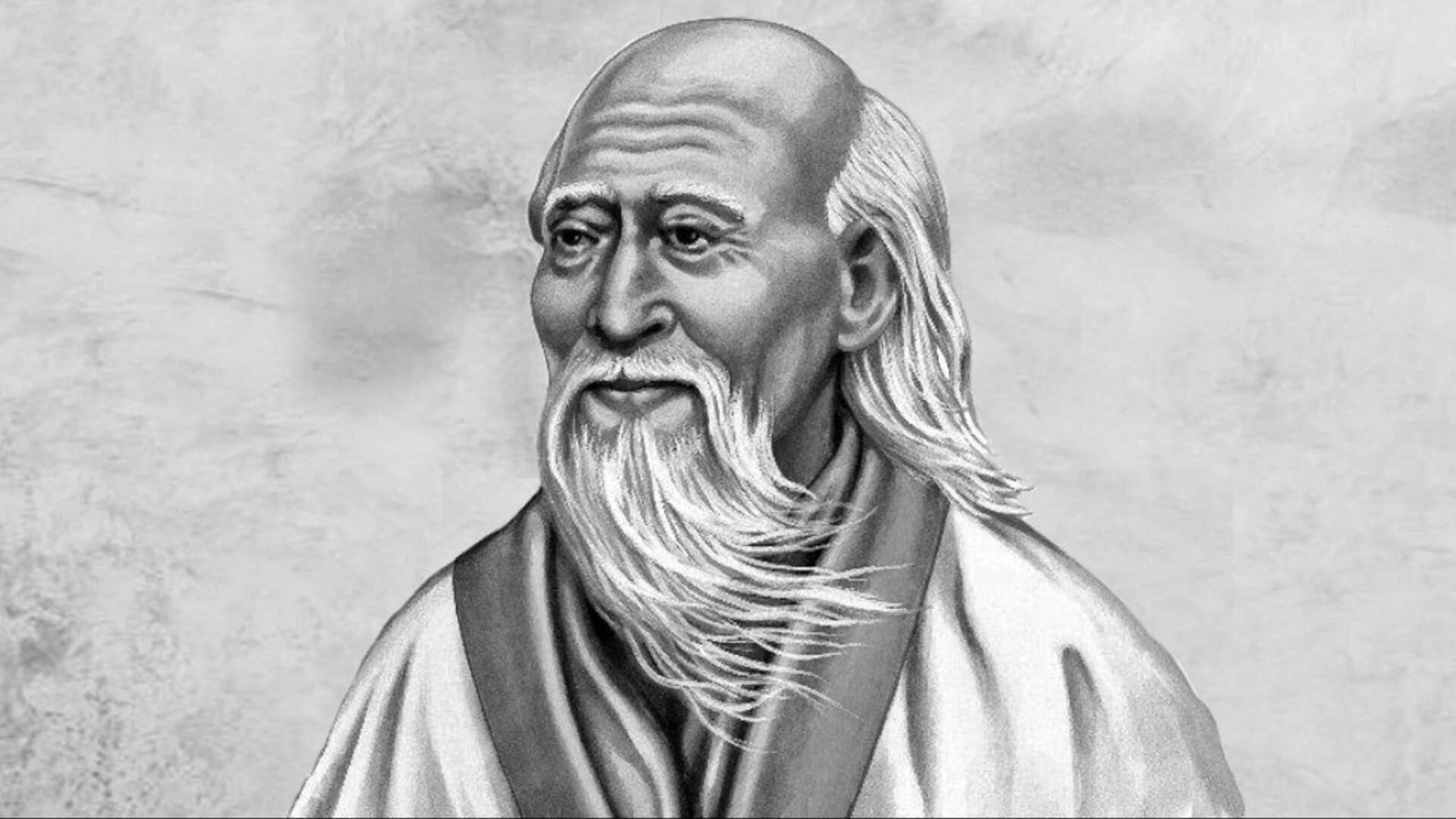
Laozi was an ancient philosopher, not a modern guy trying to maximize a two-week PTO allotment.
Yet, every year, millions of travelers plaster his quote—"A good traveler has no fixed plans and is not intent on arriving"—across their social feeds like it is a gospel for living a meaningful life. The travel industry loves it. Content creators preach it. They paint a picture where booking an itinerary is a sign of an anxious mind, and throwing your smartphone into the ocean to follow a breeze is the ultimate form of enlightenment.
It is absolute nonsense.
Unplanned travel sounds poetic until you spend four hours in a train station on a humid Tuesday trying to find a hotel room that does not smell like mold, only to realize everything decent booked out six months ago. The romanticized ideal of aimless wandering is a luxury myth that delivers subpar experiences, wasted money, and decision fatigue.
It is time to kill the myth of the "spontaneous traveler."
The Decision Fatigue Trap
The human brain makes roughly 35,000 decisions every single day. When you are at home, most of those decisions run on autopilot. You take the same route to work, order the same morning coffee, and shop at the same grocery store.
When you travel, autopilot vanishes. Every single action demands active processing.
Where do I eat? Which direction is the subway? How do I purchase this ticket? Is this neighborhood safe after dark?
When you travel with "no fixed plans," you force your brain to execute hundreds of micro-decisions every hour. By day three, you are not experiencing spiritual liberation; you are suffering from acute decision fatigue. You end up sitting in a mediocre cafe right next to a transit hub—the exact kind of tourist trap you claimed you wanted to avoid—simply because your brain lacks the bandwidth to research a better option.
Planning is not a cage. Planning is an energy conservation strategy.
By locking in the logistical framework ahead of time—transportation, accommodation, and anchor activities—you free up mental energy. You do not wake up trying to solve the puzzle of basic survival; you wake up ready to absorb your environment.
The High Price of "Flowing Like Water"
Let us talk about the economics of spontaneous travel. The idea that turning up in a city without a reservation yields magical, cheap, authentic finds is a fantasy from 1995.
Dynamic pricing algorithms run the modern travel market. Airlines, railways, and hotels adjust prices in real time based on demand curves. When you book a train ticket from Paris to Amsterdam three months out, you pay a fraction of what the person buying at the window pays.
When you wander into a city without booked lodging:
- You pay peak walk-in rates.
- You settle for locations miles away from cultural centers, spending more money on ride-shares and taxis.
- You lose access to experiences that enforce capacity caps.
Try walking up to the Borghese Gallery in Rome or the Uffizi in Florence without a reservation because you wanted to "keep your schedule open." You will be standing outside in the sun looking at the fence.
I have watched people throw away thousands of dollars in excess costs under the banner of "flexibility," only to spend half their trip stuck in transit waiting for cheaper, off-peak openings. True luxury in travel is not total freedom from structure; it is the seamless execution of a well-designed plan.
The Misunderstood Philosophy of Laozi
People love to weaponize ancient texts without understanding context. The Tao Te Ching is a text about non-resistance, balance, and alignment with the natural order of things. When Laozi wrote about the "good traveler," he was speaking metaphorically about the journey of life, freedom from rigid internal attachments, and letting go of obsessive outcomes.
He was not writing a guide for navigating European rail networks or optimizing a short vacation.
Applying Taoist non-attachment to logistically complex modern environments is a category error. A good traveler in the modern sense knows that structure creates the safety net required for actual spontaneity.
Think of a safety net in a circus. The acrobat does not perform daring, spontaneous flips because there is no net; they perform them because the net is anchored securely to the floor. Your itinerary is that net. When your logistics are locked down, you can afford to spend three hours getting lost in a side-street market because you know exactly where you are sleeping that night and how you are getting there.
Without the net, every unexpected turn is a liability rather than an adventure.
The Hybrid Model: Anchors and Open Space
The solution is not to swing to the opposite extreme and schedule every fifteen minutes of your day. Micromanaging an itinerary down to the second creates its own brand of misery.
The strategy that actually works is the Anchor Model.
1. Identify Your Non-Negotiables (Anchors)
Pick one major activity or logistical movement per day. This is your anchor. It could be a specific museum, a reserved dinner at a hard-to-get restaurant, or a transit leg to a new city. Book this in advance. Make it non-negotiable.
2. Block Hard Buffers
Designate three- to four-hour blocks around your anchor as deliberate blank space. This is where true spontaneity lives. Because the anchor is secured, the blank space is zero-stress. You are not searching for a place to sleep; you are simply exploring with an anchor pulling you back to center.
3. Accept the Trade-off
Spontaneous travel guarantees low-density experiences: lots of time spent figuring things out, less time actually experiencing high-value cultural, historical, or natural sites. Structured travel guarantees high-density experiences, but requires upfront operational effort.
Stop pretending you can have maximum flexibility and maximum density at the same time. Choose density every single time.
Ditch the cliché quotes. Build a framework. Lock in your logistics, pay less, eliminate decision fatigue, and actually enjoy the destination.