The outrage machine is running at full throttle in Vancouver, and as usual, everyone is looking at the wrong set of numbers.
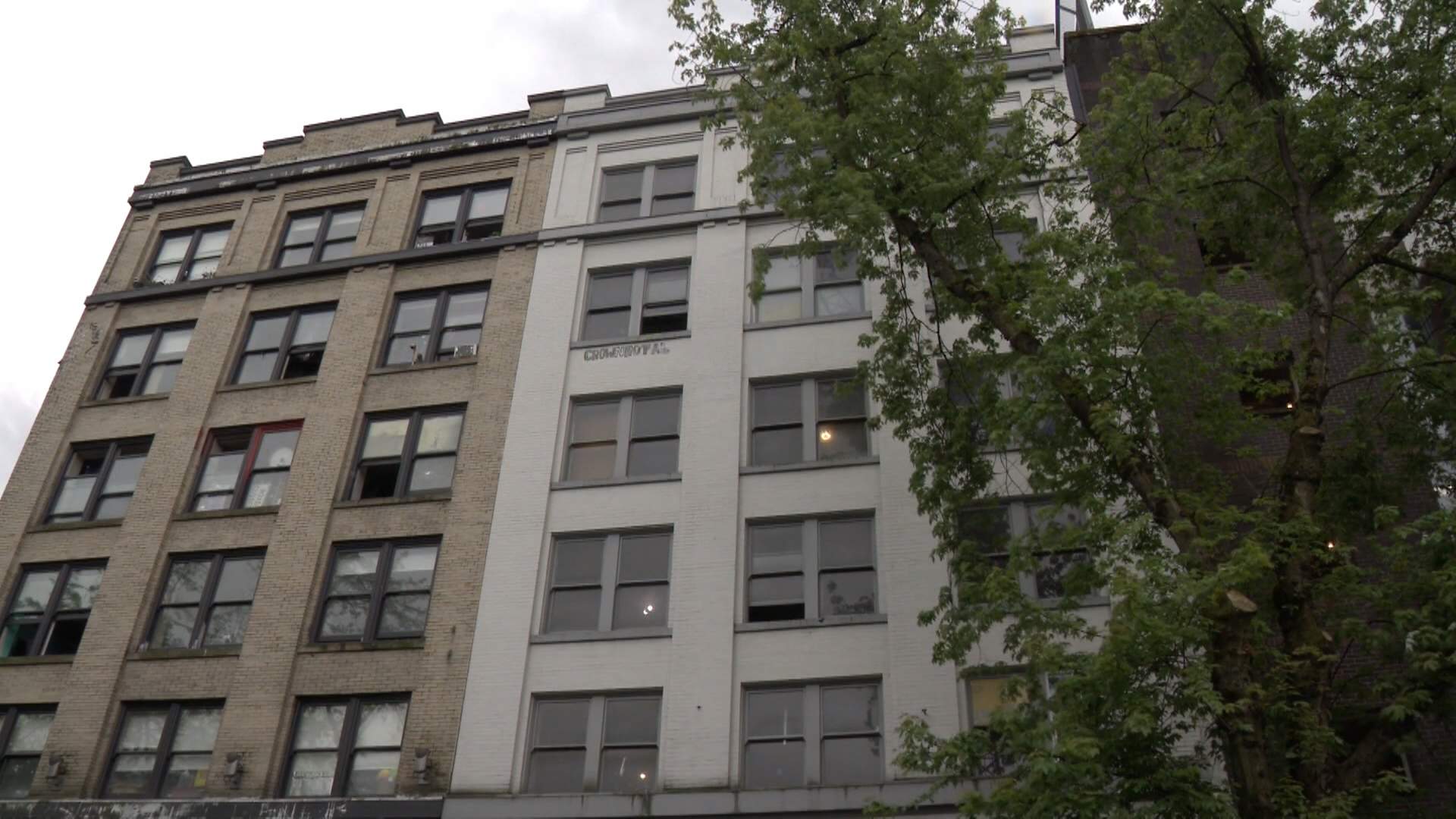
Local headlines are screaming about a "completely ridiculous" situation: the British Columbia government, through BC Housing, shelled out $547,000 over two months to a non-profit operator, Atira, to run the 140-room Colonial Hotel in Gastown. The catch? The building’s occupancy had dwindled to just two tenants in March, and down to a single resident by May as the facility prepared to close.
Politicians are tripping over themselves to look shocked. Vancouver Mayor Ken Sim did the lazy math, declaring that the province could have rented rooms in the nicest luxury hotel in the city and saved a bundle. Housing critics are calling the cost insane. The public is furious.
It is a beautiful, easy narrative. It frames the situation as a textbook case of bureaucratic incompetence and non-profit grift.
It is also financially illiterate.
I have watched public agencies and corporations bleed millions of dollars on restructuring and facility shutdowns for two decades. If you analyze a complex, commercial-scale building wind-down by dividing fixed operational overhead by the head count of the remaining occupants, you are failing basic accounting. The $547,000 headline is clickbait. The real structural failure in Vancouver's housing strategy runs much deeper than a bad monthly invoice, and nobody wants to talk about it.
The Myth of the Per Tenant Price Tag
The foundational error of the current outrage is treating an institutional real estate operation like a standard residential lease.
When a 140-room single-room occupancy (SRO) building enters a mandatory wind-down phase, the operational costs do not scale down linearly with the population. You cannot heat 1/70th of a boiler system. You cannot fire 98% of a security team or ask a structural engineer to inspect only the two rooms that still have bodies in them.
Let's look at what actually happens when an SRO shuts its doors:
- Fixed Engineering and Utilities: The building requires constant heat, electricity, water, and fire suppression monitoring. If an operator cuts the heat or shuts off utilities prematurely, they violate building codes, invalidate insurance policies, and face massive municipal fines.
- On-Site Staffing and Security: Vacant or near-vacant buildings in the Downtown Eastside are prime targets for immediate arson, vandalism, and structural stripping. Keeping a bare-minimum staff of safety workers, harm reduction monitors, and round-the-clock security guards is a fixed baseline expense. Whether they are protecting two vulnerable people or 140, the labor cost to secure the perimeter remains identical.
- Legal Wind-Down Requirements: The $222,100 chunk of funding allocated for April was specifically earmarked for the legal, operational, and physical wind-down of a century-old asset. Hazardous material abatement, junk removal, asset tracking, and structural stabilization do not care how many residents are sleeping in the beds.
Evaluating this expenditure by dividing $547,000 by two tenants to get a shocking "quarter-million per person" metric is a deliberate distortion. It is a one-time, fixed industrial shutdown cost. Treating it as an ongoing operational subsidy is either deliberately dishonest or incredibly naive.
The Real Cost of Cash Evictions
The armchair quarterbacks on social media have offered a predictable alternative: "Why didn't the government just cut those last two tenants a check for $100,000 each to move out early?"
It sounds pragmatic. In reality, it is a legal and systemic nightmare.
I have seen organizations try to buy their way out of complex human crises with lump-sum cash payouts. It almost always backfires. First, handing vulnerable individuals dealing with severe mental health issues or substance dependencies a massive injection of unmanaged cash into an environment lacking institutional support is dangerous.
Second, the moment BC Housing establishes a precedent that resisting relocation results in a massive, six-figure cash payout, the entire supportive housing strategy collapses. Every future building relocation or renovation across the province would instantly grind to a halt. Every single tenant would hold out until the final hour, waiting for their lottery ticket. The long-term systemic friction cost would dwarf the half-million dollars spent keeping the Colonial Hotel's lights on for a few extra weeks.
The province was trapped by its own regulatory frameworks and humanitarian mandates. The real mistake wasn't paying the shutdown bill; it was letting the asset rot to the point where this was the only exit velocity available.
The Real Structural Collapse
If you want to be angry about Vancouver's housing crisis, stop staring at Atira's monthly wind-down statements and start looking at the systemic insolvency of the entire SRO model.
The Colonial Hotel is not an isolated incident. Across the city, older rooming houses are reaching financial breaking points. Just recently, the 88-tenant Avalon Hotel on West Pender Street plunged into court-ordered receivership after defaulting on millions in debt, leaving a wake of unpaid utility bills and disconnected heat lines.
The harsh reality is that the SRO model—relying on century-old, decrepit hotels to serve as the absolute last line of defense against homelessness—is fundamentally broken. These buildings are structurally deficient, incredibly expensive to maintain, and completely unsuited for modern complex care requirements.
The state is stuck playing an unsustainable game of whack-a-mole:
| SRO Operational Reality | The Politically Convenient Narrative | The Structural Truth |
|---|---|---|
| Aging Infrastructure | "A little bit of grant money and minor renovations will fix the plumbing." | Old hotels require millions in retrofits just to keep the heat running safely. |
| Fixed Overhead | "Costs should drop cleanly when occupancy drops." | Security, maintenance, and compliance costs remain fixed regardless of head count. |
| Complex Care Needs | "We just need to provide a basic roof and a bed." | Tenants require intensive, specialized medical and psychiatric support that old buildings cannot facilitate. |
The government keeps pouring millions into propping up failing, century-old buildings because they lack the political courage to build the permanent, institutional medical care beds that municipal leaders have been begging for. Mayor Sim noted that the city is still waiting on 400 mandatory complex care beds promised by the province. That is the real bottleneck. Without those specialized beds, vulnerable people are shuffled into decaying rooming houses, and taxpayers are left holding the bag for the inevitable, astronomical decommissioning costs when those buildings finally fail.
Stop Distracting Yourselves
The collective freak-out over the Colonial Hotel's final bill is an exercise in missing the forest for the trees. It allows politicians to score easy points by acting shocked at a spreadsheet, while completely ignoring the structural rot of the system they manage.
Yes, half a million dollars is a lot of money. No, it was not spent to luxury-host two individuals. It was paid to safely, legally, and securely decommission a 140-room piece of urban real estate without causing a localized safety disaster or a legal crisis.
If we keep letting the public conversation focus on basic division problems rather than the systemic failure of SRO real estate assets, we will see this exact headline happen again next month, and the month after that. The asset class is dying. Stop whining about the cost of the funeral and start building the infrastructure required to replace it.


