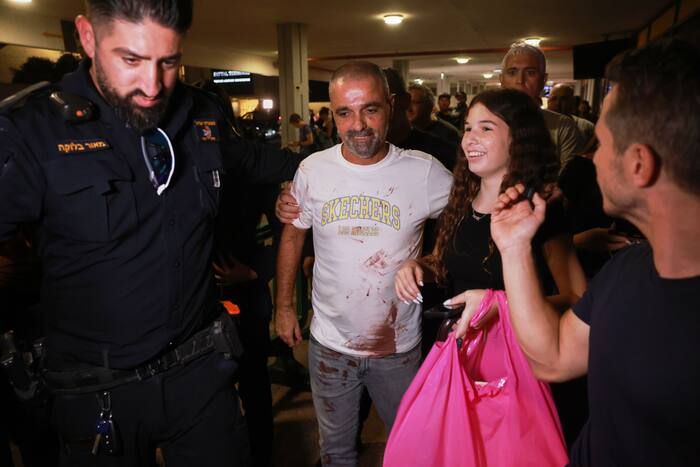
The lazy consensus of the mainstream news cycle loves a good fairy tale. Give them an aviation crisis, a bloodied cockpit, and an ordinary tradesman stepping out of tourist class, and the media industrial complex will immediately package it as Hollywood come to life.
When FlyDubai flight FZ1073 nearly plunged into the desert after a horrific cockpit assault by a co-pilot, the headlines rushed to crown an unorthodox civilian roster as
Why Praising Heroes in Aviation Disasters Is Dangerous PR
news, travel
The internet loves a good trope. Give the public a terrifying emergency at thirty thousand feet, sprinkle in a couple of ordinary guys in high-visibility professions—say, a plumber and a dentist—and watch the hero narrative write itself. Media outlets trip over their own bylines to canonize these passengers as saviors who wrestled chaos into submission. It makes for comforting reading. It sells clicks. And it completely destroys how we evaluate aviation safety.
Let us dismantle the feel-good fiction right now.
When a near-disaster strikes a modern commercial flight, the lazy consensus is that untrained civilians stepped up to perform miraculous feats of airmanship or crisis management. I have spent years auditing airline emergency response protocols and tracking incident reports, and I can tell you that treating passengers as frontline defense units is a systemic failure masquerading as a feel-good movie script.
The Myth of the Accidental Savior
Every time a headline gushes about a tradesman or a medical professional saving the day on a commercial jet, the aviation industry breathes a quiet sigh of relief. Why? Because it distracts from the real story. It shifts public scrutiny away from equipment redundancies, crew resource management training, and corporate risk mitigation, redirecting it toward a romanticized campfire tale.
Let us look at the actual physics and psychology of an aviation emergency. A commercial aircraft cockpit and cabin are not open-source community centers where anyone can grab the wheel or manage a catastrophic electrical failure because they happen to watch survival shows on YouTube. Modern flight decks are governed by strict standard operating procedures honed through decades of blood and black boxes.
When a plumber or a dentist steps forward during an in-flight crisis, they are reacting to acute panic. Sometimes their intervention is helpful—holding a door, calming a terrified row of passengers, or providing basic first aid within their actual professional scope. But calling them "heroes" who saved the flight creates a dangerous cultural precedent. It implies that ordinary untrained citizens are a standard component of contingency planning. They are not. They are a variable. And in high-stakes safety engineering, variables are things you try to eliminate, not rely on.
The Professionalism Paradox
We live in a culture that infantilizes technical expertise while fetishizing amateur hustle. If a dentist tried to perform an emergency appendectomy on a passenger using a butter knife, we would call it reckless malpractice. Yet, if that same dentist stands up during turbulence or mechanical failure and tries to insert themselves into cabin crisis management, the press hands them a cape.
Cabin crews undergo rigorous, continuous training for precisely these moments. Flight attendants are not glorified beverage servers; they are safety professionals certified in emergency evacuation, crowd control, fire suppression, and decompression management. Pilots train in full-motion simulators simulating engine fires, hydraulic failures, and windshear until muscle memory replaces panic.
When media outlets fawn over untrained passengers taking charge, they inadvertently undermine the authority and competence of the actual crew. Imagine being a flight attendant trying to maintain order in a smoke-filled cabin while well-meaning amateurs start shouting conflicting instructions because they read a thread on social media. It is a recipe for operational paralysis.
I have watched airlines cut training budgets while spending millions on public relations campaigns that amplify these civilian hero stories. It is cheaper to buy into the myth of the accidental savior than it is to invest in robust crew resource management and top-tier equipment maintenance.
Rewriting the Narrative of Risk
Stop looking for movie plots in real-world tragedies. The next time you read about a near-miss where everyday citizens supposedly averted catastrophe, ask yourself what the airline failed to do. Ask why the machinery malfunctioned in the first place. Ask why the structural redundancies required external civilian intervention to achieve a safe outcome.
Real safety is boring. It is checklist compliance at 4:00 AM. It is redundant hydraulic lines. It is a fatigued flight crew executing a missed approach because their instruments told them the truth instead of what corporate management wanted to hear.
We do not need more plumbers turned action stars. We need corporate accountability, uncompromising technical rigor, and an end to the lazy romanticism that turns systemic vulnerabilities into feel-good morning news segments.
The plane landed safely not because of a dentist's intuition, but because aerospace engineering and crew training left enough margin for error to absorb the chaos. Acknowledge the science. Stop selling fairy tales.