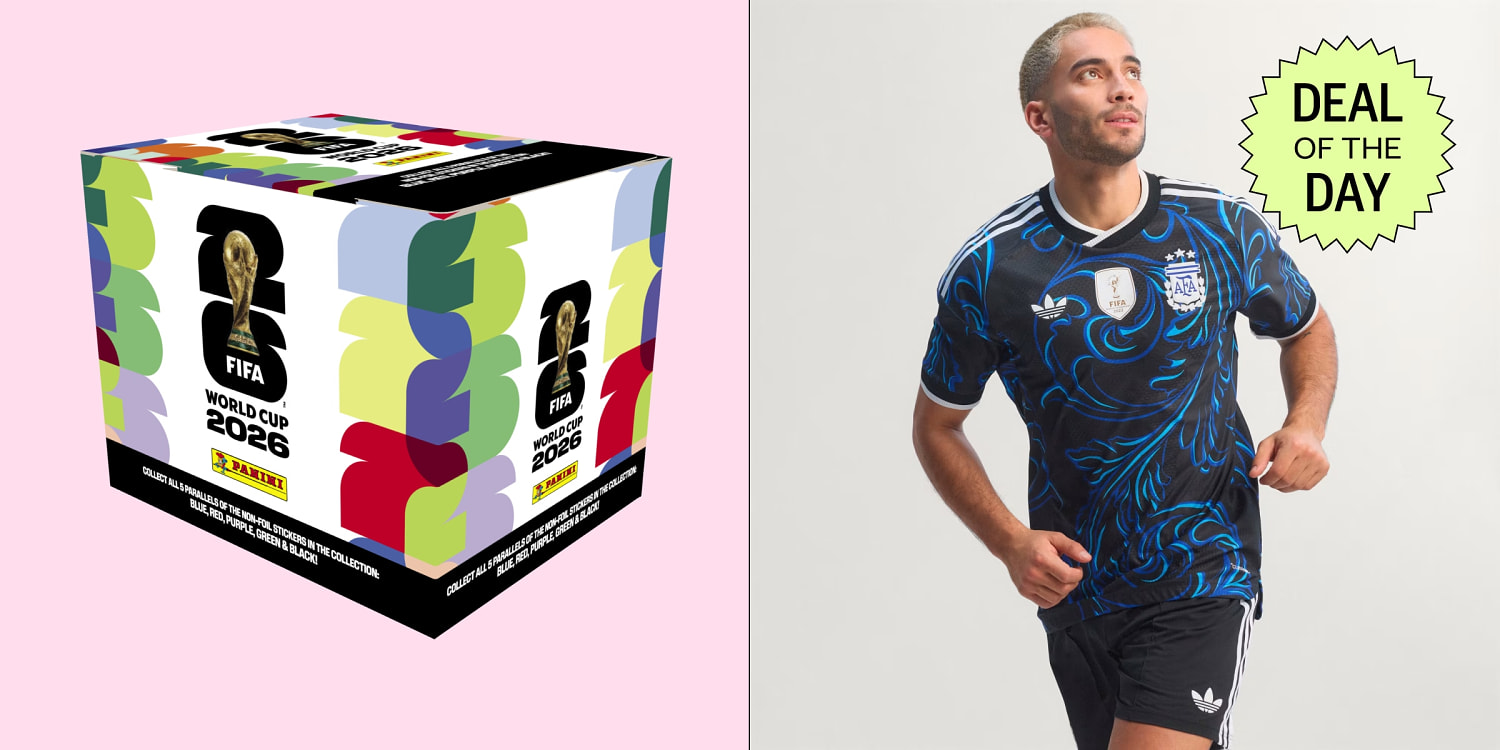
Retailers want you to believe that a 40 percent markdown on Lionel Messi’s Argentina jersey is a victory for your wallet. It is not. It is a calculated inventory flush designed to clear out overproduced, low-margin polyester before next season’s identical thread pattern renders it dead stock.
Buying discounted World Cup memorabilia feels like finding money on the street. In reality, you are participating in a massive corporate clearinghouse that extracts maximum cash from late-adopting fans while handing you zero long-term value.
If you think grabbing a discounted shirt after a tournament makes you a savvy consumer, you are falling for the oldest tricks in the sportswear playbook.
The Synthetic Scarcity Fallacy
Sportswear brands do not build jerseys to last, nor do they build them to retain value. They print them like fiat currency.
During major international tournaments, manufacturers like Adidas, Nike, and Puma produce tens of millions of identical units. They price them at staggering markups—often charging $150 or more for a piece of polyester that costs less than $6 to manufacture in Southeast Asian textile mills.
When the final whistle blows, the artificial hype balloon pops.
- The Production Run Overhang: Brands intentionally overmanufacture tournament merchandise to meet peak panic-buying demand during group stages.
- The Shelf-Life Expiry: The moment a kit cycle ends or a team changes sponsors, that apparel transforms from high-fashion athletic wear into toxic balance sheet inventory.
- The Fake Discount: A 40 percent discount on a 1,500 percent markup is not a deal. It is a profitable liquidation.
I have spent decades watching consumer apparel supply chains operate. Brands do not offer sales out of gratitude to fans. They run sales because holding inventory in distribution centers costs more than selling it to you at cost plus five percent. You are paying them to store their garbage in your closet.
Why Mass-Produced Memorabilia Is Worthless
There is a fundamental difference between a true sports collectible and mass-market retail merchandise. The retail industry spends billions blurring this line to fool average fans.
When a retailer advertises "official World Cup memorabilia" alongside discounted shirts, they are piggybacking on the genuine sports memorabilia market. A match-worn shirt worn by Messi in the 2022 World Cup final sold for millions at Sotheby’s because of true, unrepeatable scarcity. A replica jersey manufactured in a lot of three million pieces and bought off a clearance rack for $80 has the investment yield of a used paper towel.
The Replica vs. Authentic Lie
Even inside the retail store, consumers fall for tiering traps.
- Stadium/Replica Tier: Made with heavy, cheap polyester, embroidered badges, and boxy cuts. It is designed purely for profit margins and durability through commercial washing machines.
- Authentic/Match Tier: The actual shirt players wear on the pitch. Heat-pressed rubber badges, ultra-thin breathable fabric, and athletic tailoring.
When retailers discount jerseys by 40 percent, they are almost always dumping the cheap Stadium replica tier. The badges dig into your chest, the screen-printed names peel off after four washes, and the cut looks terrible on anyone who does not run twelve kilometers a day.
You aren't owning a piece of history. You are owning a mass-manufactured billboard for a corporate sponsor that paid millions to put their logo on your chest.
The Hidden Cost of Wearing Yesterday's Success
Sports apparel operates on strict temporal relevance. Wearing a kit from two seasons ago does not signal nostalgic sophistication to real fans—it signals that you waited for the bargain bin.
When you buy a jersey on sale six months after a tournament ends, the sporting conversation has already moved on. New manager, new squad additions, new kit designs. The club or national team has already launched its next home kit, away kit, third kit, and warm-up top.
By purchasing the discounted tail-end inventory, you are willingly stepping into the bottom rung of the apparel status ladder. You are paying eighty dollars to look behind the times.
Imagine a scenario where a technology company sells you last year's smartphone at a slight discount, but intentionally throttles its network speed and paints "OUTDATED MODEL" across the back casing. That is precisely what you accept when you buy post-tournament sports wear.
The Environmental and Economic Reality
The push to buy discounted kit runs deeper than just bad personal finance. It sustains a cycle of overproduction that harms the industry.
Sportswear manufacturers build extra buffer capacity into their supply chains specifically because they know price-sensitive consumers will clean out remainder inventory at a 30 to 50 percent discount. This guarantees that brands never suffer from under-production. They over-extract raw materials, over-saturate factories, and rely on bargain hunters to clean up the excess.
When you refuse to buy remainder stock, you force brands to fix their forecasting models and lower base prices for current-season merchandise. By buying the sale item, you subsidize the inflated $150 price tag for the next buyer.
How to Actually Buy Sports Memorabilia and Apparel
If you want to spend money on football culture, stop buying modern retail knockoffs at fake discounts. Reallocate your capital into avenues that deliver actual utility or actual equity.
1. Buy Vintage Classic Kits
If you want to wear history, buy actual history. Original kits from the 1980s, 1990s, or early 2000s have fixed, finite supply. A pristine 1998 Argentina kit or a 1990 West Germany shirt does not lose value. It appreciates. You spend more upfront, but you hold an asset rather than disposable synthetic trash.
2. Buy True Game-Issued Memorabilia
Skip the mass-market signed photo prints sold by big-box retailers. Focus on verified, match-issued gear sourced directly from club auctions, trusted charity drives, or reputable sports auction houses. A player-issued jersey from an unheralded group stage match holds vastly more historical significance and long-term resale value than five commercial replica shirts signed with a permanent marker.
3. Buy Clean Unbranded Apparel
If you just want to support a team or sport comfortable athletic clothing, buy high-end unbranded pitchwear or team-color basics from quality manufacturers. You avoid paying the massive licensing tax that sportswear brands tack onto every item carrying an official federation crest.
Stop Falling for the Clearance Trap
The retail industry relies on your emotional connection to iconic sporting moments to sell you low-grade polyester at inflated prices. A 40 percent discount on a product marked up 1,000 percent is not a deal; it is a corporate strategy to shift warehouse storage costs onto your personal wardrobe.
Leave the clearance racks to the suckers. Demand better quality, buy real vintage, or keep your money in your pocket.