The Gravity Fallacy
Another tragic plunge off Half Dome or Taft Point happens, and the media playbook immediately spins into motion. Out come the predictable headlines mourning a "freak accident" or a "perilous tragedy." The public responds with the standard chorus of demands: build higher guardrails, close the trails, post more warning signs, and restrict access to public lands.
This entire reaction is fundamentally flawed.
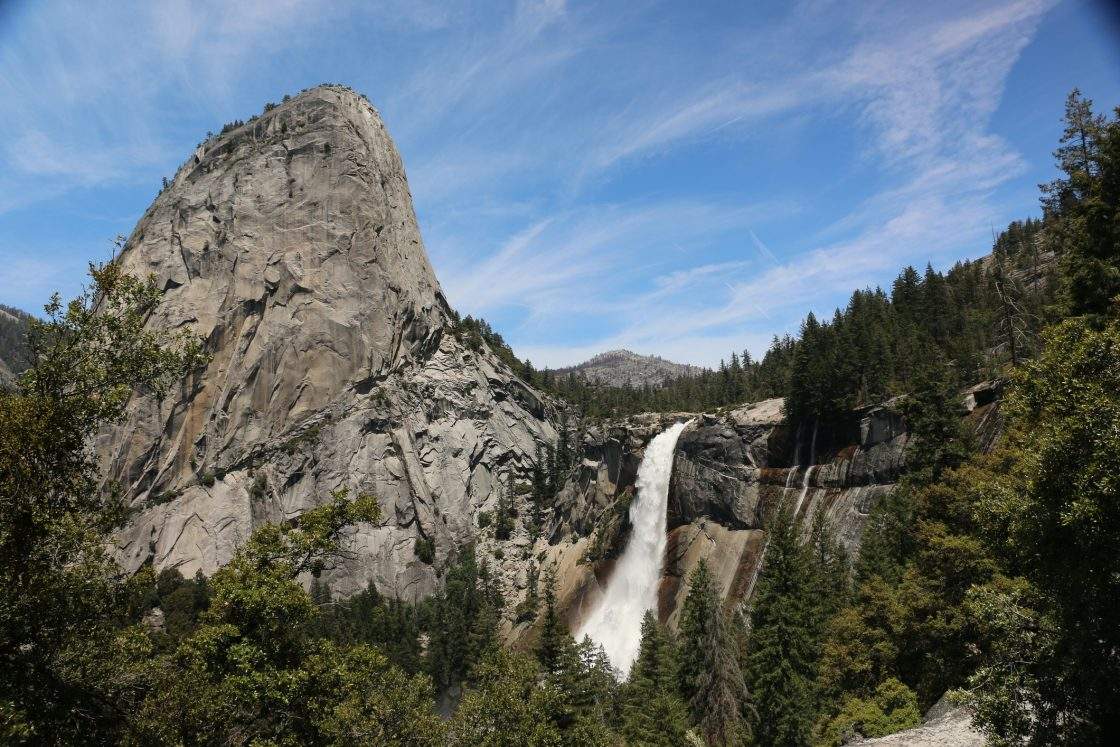
The standard narrative treats Yosemite’s granite monoliths like active predators, waiting for an innocent traveler to make a misstep. It frames the wilderness as an inherently hostile entity that modern engineering must somehow domesticate. This perspective misses the reality of the situation.
The 600-foot drop isn't the problem. The infrastructure isn't the problem. The problem is a modern travel culture that has systematically decoupled outdoor recreation from basic situational awareness and personal accountability. We have conditioned a generation of visitors to treat national parks like amusement parks, and the results are predictably fatal.
The Illusion of the Safe Outdoors
Decades of working within outdoor risk management and analyzing wilderness safety data reveal a glaring trend. The vast majority of national park fatalities are not caused by unpredictable nature—like rockfalls or sudden lightning strikes. They are caused by human error driven by a false sense of security.
When an organization like the National Park Service paves a trail, installs a gift shop, and sets up a shuttle bus system, it creates a psychological safety net. Visitors step out of their air-conditioned SUVs and subconsciously assume that the entire environment has been vetted for their comfort. They treat a sheer cliff edge with the same casual disregard they would show a concrete balcony at a Hyatt Regency.
Consider the data that the mainstream media ignores when reporting these falls:
- The Proximity Myth: A significant percentage of falls occur within mere feet of designated, highly regulated viewing areas. The danger isn't hidden; it is ignored.
- The Alcohol Factor: Public data on park incidents frequently correlates high-risk behavior at scenic overlooks with substance use, a detail often omitted from sanitized evening news reports.
- The Footwear Failure: Rangers routinely witness tourists attempting high-exposure hikes in flip-flops, smooth-soled fashion sneakers, or even high heels.
When you treat a 600-foot precipice like a background drop for a vacation photo, you are playing a game of probability with physics. Gravity doesn't negotiate, and it doesn't care about your intent.
The Toxic Pursuit of the Vertical Grid
We cannot talk about modern wilderness fatalities without addressing the digital ecosystem that fuels them. The competitor articles focus on the mechanics of the fall—the slip, the height, the recovery effort. They fail to analyze the motivation that put the individual on the edge in the first place.
The modern travel landscape is dominated by the economy of aesthetic validation. A standard view from behind a safety railing is no longer sufficient for the digital currency of social media. To stand out, visitors feel compelled to seek out the high-exposure shot—the edge-sitting pose, the dangling feet, the leap across a chasm.
The Exposure Paradox: As a cliff edge becomes more famous online, the perceived risk of that edge decreases in the minds of the public, even as the actual risk increases due to overcrowding and erosion.
Imagine a scenario where thousands of people see an influencer posing on a narrow ledge at Taft Point. The viewer's brain registers "safety in numbers" rather than "deadly hazard." When they arrive at the spot, they don't see a unstable granite shelf subjected to freeze-thaw cycles; they see a stage. They step onto it without checking the friction of the rock, the speed of the wind, or the stability of their footing.
The pursuit of the perfect image acts as a cognitive blocker, completely shutting down the evolutionary fear responses that should keep a human being away from a void.
Why Guardrails Make the Wilderness More Dangerous
The knee-jerk reaction to any high-profile park death is a demand for more infrastructure. This is not only impractical given the scale of public lands, but it is also counterproductive to actual safety.
Risk homeostasis is a established psychological principle. It states that individuals adjust their behavior based on the perceived level of risk in their environment. If you add safety features, people simply take bigger risks to compensate.
| Management Strategy | Perceived Effect | Actual Behavioral Outcome |
|---|---|---|
| No Barriers (Wilderness) | High Risk | Visitors approach with caution, test footing, maintain distance. |
| Partial Fencing / Signs | Moderate Risk | Visitors rely on the sign, push past the barrier for a better view, assume the un-fenced area is safe. |
| Total Enclosure | Zero Risk | Visitors climb over the enclosure for an unobstructed photo, completely detached from the hazard below. |
If the National Park Service were to wall off every cliff edge in Yosemite, it would not stop the fatalities. It would merely transform them from accidental slips into deliberate stunts. Furthermore, it destroys the fundamental purpose of a national park, which is to preserve the raw, untamed reality of nature, not to provide a sterile, padded cell for urbanites who refuse to look down.
Dismantling the Ignorant Questions
The public discourse surrounding park safety is broken. Let’s dismantle the flawed premises that dominate the "People Also Ask" sections of our collective consciousness.
"Why doesn't the park service just close dangerous trails during peak hours?"
This question assumes that the government's role is to act as a permanent chaperone. Closing a trail because adults cannot manage their own balance is a administrative overreach that punishes responsible outdoorspeople. The danger isn't the trail; it's the behavior on the trail. If you lack the physical capability or mental focus to navigate a cliff edge safely, the solution is to stay in the valley, not to lock the gate for everyone else.
"Aren't these accidents just bad luck?"
Calling a high-exposure fall "bad luck" is a cop-out. It removes agency from the individual and places it on fate. If you cross a safety chain, stand on wet, sloping granite, or ignore high-wind warnings, luck has nothing to do with it. It is a predictable outcome of bad decision-making. We need to stop sanitizing reckless behavior as "tragedy" when it is actually negligence.
True Safety Requires Radical Self-Reliance
If we want to stop people from falling off landmarks, we must change how we educate travelers. We need to replace the marketing myth of the "pristine playground" with the harsh reality of the natural world.
True wilderness competence requires a shift in mindset:
- Acknowledge the Void: When you stand at an overlook, look at the lack of a barrier not as a design flaw, but as a direct warning. The absence of a fence means you are entirely responsible for your own survival.
- Ditch the Distractions: Put the camera away until your feet are planted on flat, stable ground at least ten feet from any drop-off. Never look through a lens or a screen while moving near an edge.
- Respect Environmental Variables: Granite gets slick when wet, sandy, or covered in pine needles. Wind gusts can catch a person off balance instantly. If you haven't assessed the friction and the airflow, you have no business being near the lip.
The downside to this approach is that it forces people to confront their own limitations. It requires honesty about physical fitness, balance, and mental fortitude. Some people will realize they don't belong on the edge of Half Dome. Good. That realization is exactly what keeps them alive.
Stop looking for someone to blame when the laws of nature assert themselves. The mountains have been there for millions of years, indifferent to human presence, vanity, or mistakes. If you walk off the edge of a 600-foot cliff, the wilderness didn't kill you. Your own complacency did.