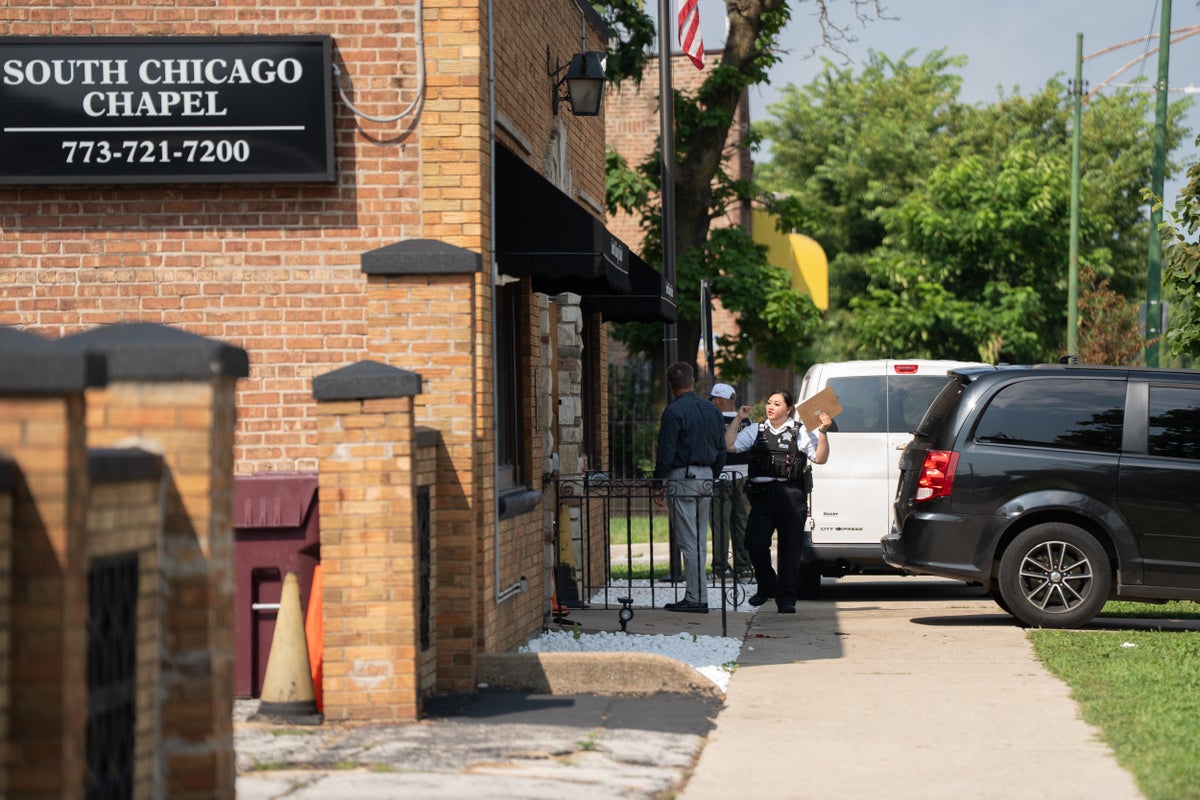
Every time a rotting corpse is pulled from a neglected funeral home, the media runs the same predictable script.
We get the pearl-clutching headlines. We get the breathless local news anchors standing outside a brick storefront with a microphone. We get the predictable chorus of outrage from politicians who demand stricter oversight, higher licensing fees, and more bureaucratic red tape to fix a system that was supposedly hijacked by a few bad apples.
It is a comforting narrative. It lets everyone pretend that the corpse rotting in an unrefrigerated back room is an anomaly. A freak accident. The result of a uniquely evil human being slipping through the cracks of an otherwise pristine administrative apparatus.
It is a lie.
I have spent years watching the mechanics of the death care industry from the inside, and I can tell you flat out: bodies piling up in unlicensed or mismanaged funeral homes are not a failure of the system. They are the inevitable product of it.
When you treat death like a heavily franchised, corporate-consolidated retail transaction wrapped in layers of municipal gatekeeping, you create an economic vacuum. And nature abhors a vacuum. Or in this case, decomposition does.
Let us dismantle the lazy consensus.
The Myth Of The Rogue Operator
The public wants to believe that funeral home scandals are driven by sociopaths who woke up one day and decided to disrespect the dead.
That is rarely how it happens. The anatomy of a disaster in this industry follows a predictable financial cliff.
A small, independent operator takes over a legacy home. Right away, they are squeezed from all sides. Real estate costs are high. Corporate conglomerates like Service Corporation International buy up the lucrative volume contracts, leaving independents with the scraps. Pre-need funeral insurance laws—meant to protect consumers—frequently lock up cash flow in restrictive state trusts that take months or years to disburse.
Meanwhile, utility bills, embalming fluid, waste disposal contracts, and licensing fees go up.
Imagine a scenario where a business owner is bleeding cash, legally prohibited from touching certain escrow funds, unable to secure commercial credit because the death rate in their zip code temporarily dipped, and facing thousands of dollars in mandatory state compliance fines if they miss a filing.
They do not wake up wanting to neglect corpses. They make a series of small, desperate compromises.
First, they turn off the cremation retort to save on natural gas until they have enough bodies to make a full run worthwhile. Then, they turn off the refrigeration unit to shave a hundred bucks off the electric bill. Then, they stop answering the phone when families call asking why the ashes are late.
Before long, a room temperature warehouse becomes a mass storage facility for human decay.
The state regulators who are supposed to catch this do not audit on actual risk; they audit on paperwork. They check if the continuing education credits are up to date. They check if the display room has the legally mandated price lists clearly visible. They rarely walk into the back storage rooms unless a neighbor complains about the smell.
By focusing entirely on bureaucratic compliance instead of actual operational solvency, the state creates an environment where a funeral director can have a pristine filing cabinet while a biological disaster rots behind a drywall partition.
The Consolidation Trap
Let us address the elephant in the room that the mainstream press refuses to touch: the corporatization of grief.
For decades, mom-and-pop funeral homes have been bought out by private equity firms and mega-corporations. These entities understand something the grieving public does not: death is a high-margin business with inelastic demand. People do not comparison-shop for a casket while standing over the hospital bed of their dying mother.
As the big players swallow up regional markets, they drive up the baseline cost of dying. They introduce tiered packages that turn a basic burial into a luxury car purchase.
This creates a two-tiered market. On one end, you have polished corporate monoliths charging fifteen grand for a standard cremation package with velvet trimmings. On the other end, you have desperate independent operators trying to undercut them by offering cheap, bottom-dollar services to working-class families.
When an independent tries to run a sustainable business on a razor-thin margin while competing with corporate marketing budgets, math wins every time.
The cut-rate funeral home cannot afford the proper biohazard waste disposal fees. They cannot afford the preventative maintenance on their refrigeration compressors. They cut corners because the economic framework demands it.
Yet, when the inevitable rot sets in, the politicians step up to microphones and lecture us about needing more inspections. As if an extra clipboard-wielding bureaucrat inspecting a financial dumpster fire is going to pay the electric bill.
Why More Regulation Makes It Worse
The standard policy prescription for any funeral home scandal is always the same: tighten the licensing requirements, add more mandatory reporting, and increase state oversight.
This is economic illiteracy masquerading as compassion.
Every time you add a regulatory hurdle to an industry, you raise the barrier to entry. You push out the small operators who are barely hanging on, driving further consolidation into the hands of mega-corporations.
When you make it harder and more expensive to legally dispose of human remains, you do not stop people from dying or needing services. You simply drive the grey market underground.
If compliance costs skyrocket, desperate operators are incentivized to hide their operations even deeper. They rent out obscure warehouses. They stop filing death certificates on time to delay the paper trail. They rely on cash-only, off-the-books arrangements with families who are equally desperate to save a buck on a funeral they cannot afford.
More regulation does not sanitize the industry. It chokes the margins of the honest players and rewards the slickest corporate predators who can afford compliance legal teams.
The Real Fix
If we actually wanted to solve the crisis of neglected human remains in Chicago and across the country, we would stop treating funeral homes like luxury boutiques and start treating death care with radical transparency and structural realism.
First, we need to untangle the pre-need insurance trap. States should allow immediate-need access to operational funds so that businesses servicing low-income communities are not cash-starved while sitting on thousands of dollars in locked consumer deposits.
Second, we need to tear down the artificial monopolies on body disposition. The obsession with mandatory embalming, expensive hardwood caskets, and corporate-exclusive funeral home monopolies is a financial tax on grief. If green burials, direct-to-cremation operations, and home-funeral networks were legally streamlined and aggressively promoted by public health departments, the predatory pressure on traditional funeral homes would evaporate.
Third, stop pretending that a license certificate on a wall guarantees a functioning cooler. Shift regulatory oversight away from checking paperwork in an air-conditioned office and toward unannounced physical inspections of cold storage and waste management facilities.
Until we fix the underlying economics of an industry that forces desperate people to cut corners on the dead, another Chicago warehouse will fill up with neglected bodies.
And the politicians will act surprised all over again.