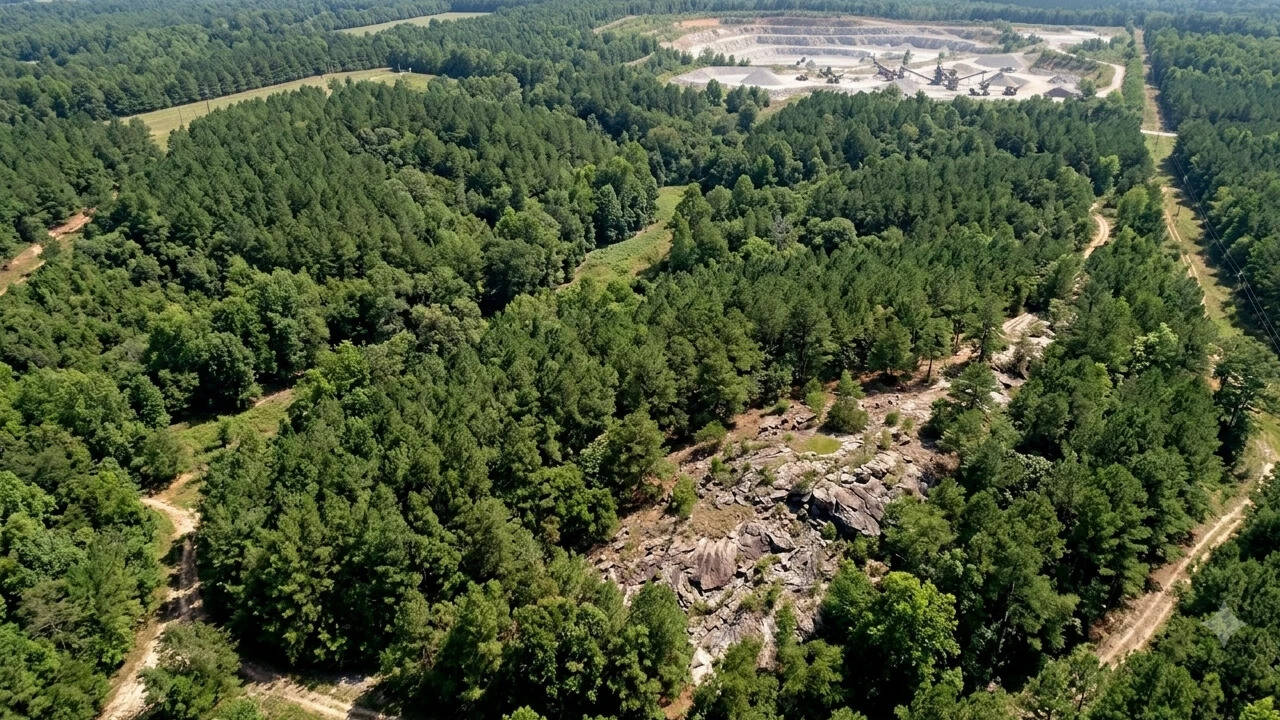
Dust tastes like old limestone. If you have ever stood at the precipice of an active quarry, you know the particular violence of the silence that follows a blast, and then the mechanical growl of diesel engines waking back up to haul the bones of the earth away. For decades, the extraction of blue stone in Belgium was an exercise in pure subtraction. We carved deep, ragged wounds into the green countryside of the Walloon region, traded ancient geological history for rectangular blocks of facade, and burned thousands of gallons of heavy fuel oil to do it.
It was loud. It was dirty. It was accepted.
Then, a quiet coalition of stonecutters, flock masters, and engineers decided to rewrite the terms of extraction. They looked at miles of blindingly white, sun-baked quarry floors—surfaces usually abandoned to industrial decay once the strata were exhausted—and saw something entirely different. They saw a harvest.
The Anatomy of a Reclamation
Let us be precise about the physical reality. A modern quarry is not merely a hole in the ground; it is a massive industrial footprint characterized by vast swaths of flat, sterile terrain that cannot easily be returned to traditional agriculture or standard real estate development. The soil is thin or non-existent. The bedrock is exposed.
In Lessines, a municipality steeped in centuries of porphyry mining, one particular quarry operator faced a reckoning familiar to heavy industry across Europe. Energy costs were soaring, carbon reduction mandates were shifting from distant ideals to rigid legal frameworks, and the sheer overhead of running massive processing machinery was eating margins alive.
The standard corporate response would have been predictable. Buy carbon offsets from a broker in London, plant a token row of poplar trees by the perimeter fence, and keep burning diesel.
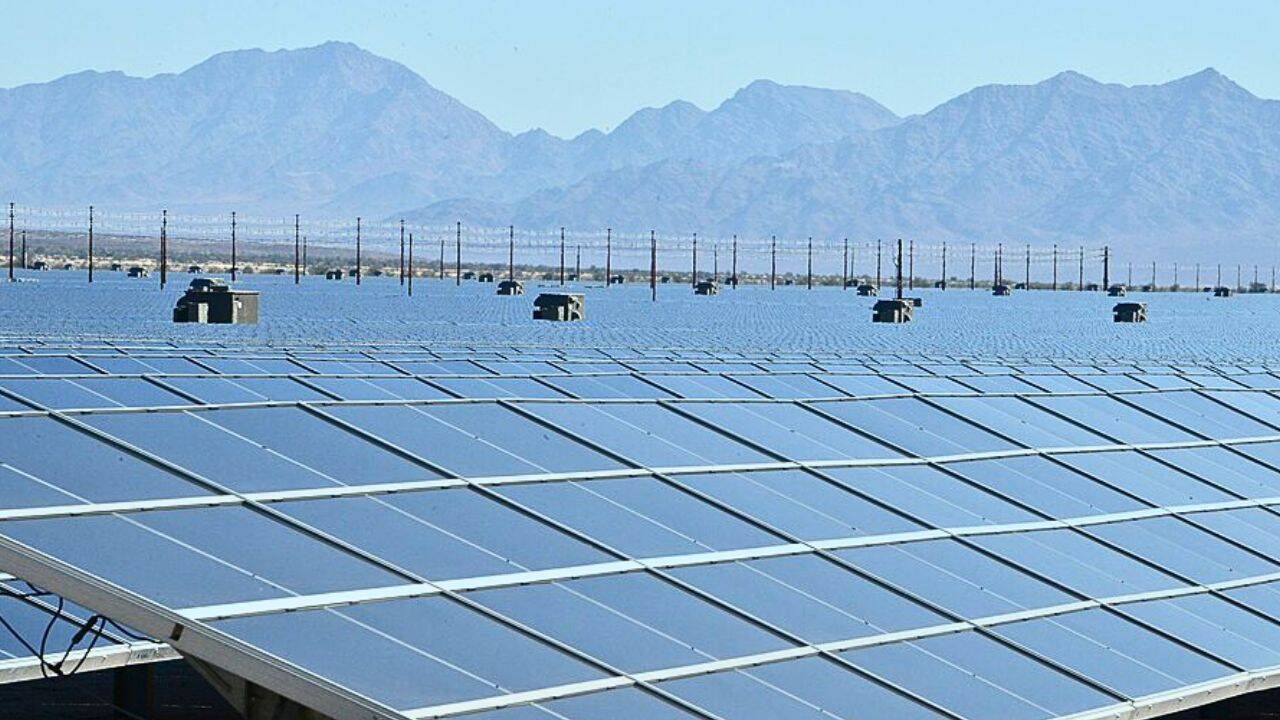
Instead, they turned the sun-bleached expanse into a photovoltaic sea.
Over twelve thousand solar panels now blanket acres of what was once barren industrial wasteland. But if you walk the perimeter of this installation today, you will not hear the hum of a conventional power plant. You will hear the rhythmic, hollow clinking of brass bells and the soft, urgent rustle of dry grass.
The Woolen Workers
Technology, left to itself, tends to sterilize its environment. We clear land to lay silicon wafers, and then we spend small fortunes spraying herbicides to keep weeds from casting shadows on our precious return on investment. The corporate instinct is to sanitize, to pave, to control.
The quarry managers did something radical. They brought in sheep.
This is not a romantic pastoral marketing stunt dreamed up by an advertising agency in Brussels. It is an exercise in rigorous biological efficiency. When you install thousands of solar panels across uneven terrain, mowing mechanical grass-cutters becomes an expensive, hazardous nightmare. Blades strike hidden flint. Rocks fly. Electrical cabling is vulnerable to stray machinery.
Enter a flock of local sheep, managed by a shepherd who understands that grazing is an ancient form of heavy industry.
As a hypothetical exercise, imagine standing between two angled rows of high-efficiency photovoltaic modules on a humid July afternoon. The air directly beneath the glass is several degrees cooler, shaded from the relentless glare. The sheep know this. They thread their way through the racking infrastructure with an intuitive geometry, nibbling down the invasive weeds that threaten to choke the panels, fertilizing the poor soil with every step, and keeping the microclimate stable.
The sheep do not care about kilowatt-hours. They care about clover. But by doing what sheep have done for ten thousand years, they solve a multi-million-dollar engineering problem. The panels get their sunlight unhindered. The soil gets organic matter it desperately needs to rebuild its microbiome. The carbon footprint of groundskeeping drops to absolute zero.
The Economics of Paradox
There is an old, cynical belief that ecological responsibility is an act of charity—something a business does when it has too much money and wants to feel virtuous.
The Belgian quarry project dismantles that assumption with brutal commercial logic.
Consider what happens when you pair local renewable generation directly with heavy industrial processing. A stone quarry consumes staggering amounts of electricity. Saws, crushers, conveyors, and sorting mechanisms demand constant, heavy loads. By siting a multi-megawatt solar array directly on-site, the operation effectively insulates itself against the wild volatility of European energy markets.
When grid electricity prices spike due to geopolitical tremors or natural gas shortages, the stonecutter’s power is being generated forty feet away from the cutting shed. It costs pennies on the euro to produce.
This is not about saving the planet in the abstract. This is about corporate survival disguised as environmentalism. When an industrial plant can power its daily operations using the very sunlight that beats down on its waste rock, the traditional cost structure of heavy manufacturing begins to fracture.
We have spent two centuries assuming that industry and ecology are locked in a zero-sum war. Every ton of material extracted had to exact an equal and opposite toll on the biosphere. But projects like this suggest a different trajectory. They show that industrial ruins can be repurposed not into parks that generate no economic value, but into active, dual-use production sites where energy generation, ecological restoration, and traditional trade coexist.
The Long View from the Pit
I have watched the light fade over industrial quarries in the late autumn, when the mist rolls off the damp stone and settles into the deep cuts of the earth. In those moments, the scale of human ambition feels both magnificent and terrifying. We can move mountains. We can reshape continents.
Yet, for all our engineering prowess, our greatest breakthroughs often arrive when we remember to step back and let biological systems do the heavy lifting.
The sheep will graze until dusk. The photovoltaic cells will cool in the evening air, slowly shedding the heat of the day while continuing to feed residual energy into local storage banks. Deep down in the pit, the silent stone waits for tomorrow's shift.
Nothing about this is simple. It required zoning battles, complex electrical engineering, stubborn shepherds, and executives willing to look at a pile of grey rock and imagine a meadow. But as the first stars pierce the smoke-free sky above the quarry ridge, the old world of coal and oil feels remarkably distant—not because we legislated it out of existence, but because someone figured out how to make the sun and the sheep do the work.