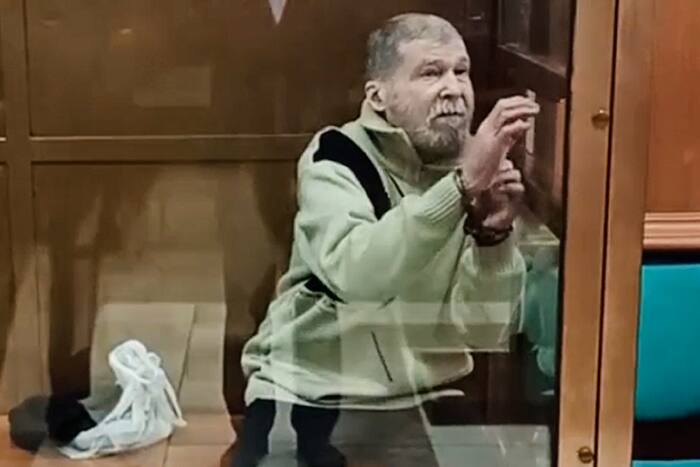
The phone rang in a quiet Colorado home, shattering four years of agonizing silence. On the other end was Stephen Hubbard, a 74-year-old retired English teacher from Michigan who had just walked out of a Russian penal facility. His immediate reaction was sheer, unadulterated disbelief, punctuated by breathless, disbelieving laughter. For more than four years, Hubbard had vanished into the opaque machinery of the Russian penal system, accused of acting as a mercenary in a war he never joined. His release, secured following high-level diplomatic maneuvers involving U.S. envoy Steve Witkoff and direct appeals by leadership, brings an individual nightmare to an end. Yet it also exposes the grim mechanics of state-level detention practices where ordinary citizens become geopolitical pawns.
To understand how a retired U.S. Air Force veteran ended up locked in a Russian cage, one has to look past the official court charges and examine the chilling pattern of arrests targeting foreign nationals. Hubbard retired to Cyprus in 2012, later moving to Ukraine to be with a partner. When the full-scale invasion erupted in February 2022, he remained in the country. Months later, he disappeared into Russian custody. Russian state prosecutors claimed he fought alongside territorial defense forces, an allegation vehemently denied by his family and legal counsel, who noted he was a peaceful retiree with no military involvement during wartime.
The reality inside the penal colony was far removed from courtroom legalities. According to his sister, Patricia Hubbard Fox, her brother endured systematic starvation and physical abuse. Guards unfamiliar with English beyond a few violent phrases targeted him relentlessly, yet that raw hostility forged a grim survival instinct. He spent long stretches in absolute isolation, stripped of news, time, and human contact. In solidarity, Patricia spent four years sleeping on her living room couch because she could not bear the comfort of a mattress while her brother lay on prison slabs.
Diplomacy with adversarial nations rarely moves on humanitarian impulses alone. Hubbard's sudden freedom materialized in the wake of backchannel talks and visits by U.S. representatives to St. Petersburg. While governments celebrate these rare releases as diplomatic triumphs, they simultaneously underscore a disturbing precedent. When major powers lock up aging citizens on dubious pretenses, they create leverage. Every successful exchange resolves one human tragedy while validating the utility of holding civilian hostages for future diplomatic currency.
The physical and psychological toll on Hubbard remains profound. Medical evaluations upon his return revealed heart complications and the lingering trauma of prolonged confinement. He stepped back into a world that had shifted dramatically over four years, feeling like a man waking from a deep coma. He wanted only familiar voices and loved ones, retreating from the profound emptiness he described in his cell.
The laughter on that initial phone call carried the weight of a man who genuinely believed he would die on foreign soil. Now back on American ground, Hubbard is learning to sleep in a real bed, surrounded by family who refused to let his story fade into administrative obscurity. But as long as foreign penitentiaries hold foreign citizens as diplomatic collateral, the shadow cast over every traveler abroad remains entirely unchanged


