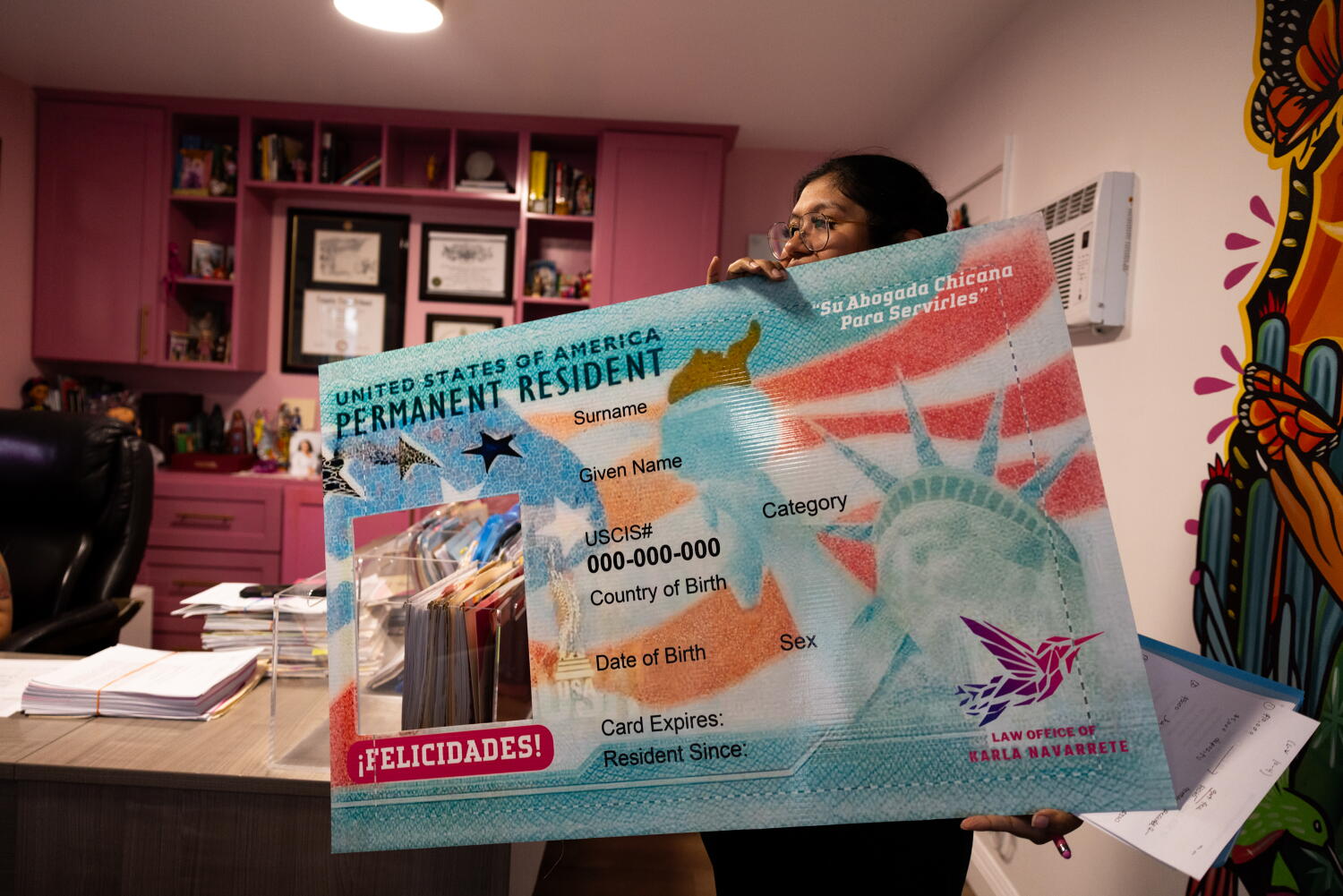
Immigration policy changes always trigger immediate legal chaos, but the recent federal push to penalize legal immigrants for utilizing public assistance has sparked a massive multi-state revolt. California, alongside several other states and municipalities, filed lawsuits to block the Trump administration's aggressive public charge rule. This regulation gives immigration officials broader authority to deny green cards to applicants who have previously relied on standard social safety net programs like Medicaid, food assistance, or housing vouchers.
If you are trying to understand why this policy matters, you have to look past the political rhetoric. The core battle isn't just about federal enforcement authority. It is about public health, economic stability, and the silent fear spreading through immigrant communities.
The Real Cost of the Public Charge Crackdown
When federal rules penalize legal residents for accepting government-funded aid, people panic. Legal immigrants who are fully entitled to specific benefits often choose to disenroll out of sheer terror that a future green card application might get rejected.
State leaders challenging the rule point out a dangerous ripple effect. When low-income families avoid seeing a doctor or skip nutritional programs like SNAP because they fear immigration consequences, public health suffers. Hospitals absorb higher costs from untreated illnesses, local economies take a hit, and community health centers see dramatic drops in preventative care.
California Attorney General Rob Bonta and other state officials argue that these expanded restrictions are unlawful and fundamentally punitive. They target families striving to build stable lives while legally navigating a notoriously complex immigration system.
Understanding Who Is Actually Affected
Immigration law is dense, and misinformation spreads fast online. It helps to separate the noise from reality regarding how public charge evaluations operate.
The policy primarily targets individuals seeking permanent residency from within the country or undergoing specific consular evaluations, but it does not apply universally. Refugees, asylees, and certain humanitarian visa holders are traditionally exempt from these calculations. Even so, the psychological deterrent—often called the "chilling effect"—reaches far beyond the direct targets. Families legally eligible for assistance avoid getting help because immigration guidelines feel unpredictable and punitive.
What Comes Next for the Legal Battles
Courts will spend months sorting out the legality of these expanded enforcement criteria. Previous attempts by the federal administration to widen public charge definitions faced intense judicial scrutiny, and these new legal challenges follow a similar playbook. State attorneys general are betting that federal agencies overstepped their statutory authority by weaponizing standard health and nutrition programs against lawful applicants.
If you or someone you know is navigating the green card process, don't make sudden decisions about dropping vital benefits out of fear. Consult an accredited immigration attorney or a trusted legal aid organization before making any changes to your public assistance status. Getting proper guidance keeps you safe while the courts decide the future of these rules.
California sues to block Trump's new green card rule
This video provides an overview of California's legal challenge and the multi-state pushback against the federal public charge rules.