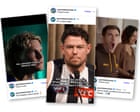
The collision between artificial intelligence and sports marketing has finally hit a breaking point. When the Australian Football League stepped in to order Sportsbet to pull down a series of generative video clips featuring star players, it signaled more than just a minor licensing spat. It exposed a massive gray area in how major sporting codes police athlete identity in the age of hyper-realistic digital manipulation.
Let us be honest about what happened. Sportsbet released AI-generated videos manipulating player likenesses—such as Brisbane Lions star Lachie Neale mimicking rapper Snoop Dogg's famous Hollywood Walk of Fame acceptance speech. While betting operators claim this content is meant purely to entertain fans and drive engagement, players and union representatives saw an obvious overreach. Athletes lose control over their own public image when algorithms can fabricate endorsement-style media without their consent or compensation.
The Legal and Commercial Pressure Cooker
Commercial partnerships between gambling companies and sporting leagues run on multi-million dollar agreements. Yet these deals rarely account for the velocity of generative technology. The AFL Players Association has long guarded commercial rights fiercely. When an external corporate partner bypasses standard clearance processes by feeding player images into generative video tools, it triggers immediate contract friction.
The league found itself caught between a lucrative sponsorship partner and the legitimate protection of its workforce. By stepping in to force the removal of these clips, the AFL tried to re-establish boundaries. But a takedown notice is a temporary fix for a permanent technological shift.
Why Current Collective Bargaining Agreements Are Failing
Most existing athlete contracts were drafted long before text-to-video tools could render a convincing digital double of a footballer in seconds. This creates a regulatory vacuum.
- Traditional image rights clauses assume human production: photo shoots, commercial filming days, and explicit sign-offs.
- Generative media operates on synthesis, copying styles and facial mapping without traditional production overhead.
- Players receive zero compensation when their synthesized likeness drives user engagement on social media feeds.
Until collective bargaining agreements explicitly define generative cloning as a commercial asset requiring separate licensing, companies will continue pushing boundaries until they get caught.
The Incoming Advertising Crackdown
This clash does not happen in a vacuum. Australia's broader regulatory environment regarding gambling advertising is tightening rapidly. With sweeping federal reforms on the horizon—including impending restrictions on betting ads featuring celebrities and sports stars—leagues and operators are under intense public scrutiny.
When a gambling brand uses high-profile athletes in viral AI memes, it draws unwanted political fire. Lawmakers looking to curb the normalization of sports betting find easy ammunition in viral videos blurring the line between organic fan culture and commercial gambling promotion.
The AFL's intervention was protectionism of its brand integrity just as much as it was defense of player rights. As generative video tools become indistinguishable from reality, sports codes must draft ironclad digital policies or watch their athletes become unwitting pitchmen for industries they never agreed to endorse.


