The ground in the Balkans doesn't just feel hot right now; it feels dangerous. If you walk outside in Belgrade or Dubrovnik, the air hits you like an open oven. This isn't just a tough summer patch. It's a full-blown climate crisis melting the infrastructure of Southeastern Europe.
A historic atmospheric heat dome has parked itself over the continent, shifting its lethal core from Western Europe straight into the Balkans. The numbers are terrifying. Over 1,300 excess deaths have already been recorded across Europe since the heatwave kicked off on June 20, 2026. Healthcare systems are buckling. Power grids are failing. Wildfires are tearing through tourist havens. If you think this is just normal summer weather, you aren't looking at the data. Don't forget to check out our earlier coverage on this related article.
The Balkan powder keg is catching fire
The biggest mistake people make is looking at a heatwave as just a high number on a thermometer. It's actually a compounding disaster. Weeks of intense heat dry out the soil, turning grass, bushes, and forests into literal tinder. All it takes is a single spark or a rogue lightning strike to cause chaos.
Right now, Croatia is on the front lines. The national weather service just issued a top-tier red alert for major chunks of the country, including the capital city of Zagreb and major coastal tourist spots like Split and Dubrovnik. It's not a drill. On the Adriatic island of Vis, dozens of firefighters backed by four water-bombing aircraft are fighting a massive wildfire ripping through dense pine forests. Vis is famous for its untouched nature, but right now, it's a battleground. To read more about the background here, The Guardian offers an excellent summary.
Croatia: Red alerts active for Zagreb, Split, Dubrovnik. Active pine forest fire on Vis Island.
Serbia: RHMZ issued warnings for 39°C (102.2°F) daytime highs.
Albania: Wildfire burned hectares of olive groves and scrubland near Klos.
Move south to Albania, and the story is the same. Firefighters spent the weekend trying to contain a fast-moving blaze near the southern village of Klos. It swallowed up hectares of historic olive trees and scrubland before crews got a handle on it. Meanwhile, Serbia's State Hydrometeorological Service (RHMZ) warned residents that temperatures will hit a punishing 39°C.
Why the night won't save us anymore
For a long time, the unwritten rule of surviving a European summer was simple: endure the afternoon, then open the windows at night to let the cool air in. That rule is officially dead.
Scientists tracking this specific heatwave note that the most dangerous aspect isn't the daytime peak, but the surging night-time temperatures. According to a rapid attribution analysis by the World Weather Attribution group, these scorching overnight lows are now 100 times more likely than they were just twenty years ago.
When the temperature stays above 25°C or 30°C all night, the human body never gets a chance to recover. Your heart keeps pumping harder to cool you down while you sleep. That's why the death toll is skewed heavily toward older people and vulnerable populations.
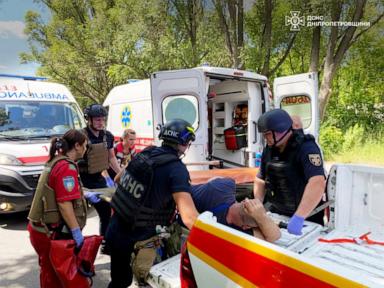
In France, where the heat dome hit first, authorities reported 1,000 excess deaths from this wave alone. As the system moves east, Balkan hospitals are seeing a massive spike in emergency medical calls.
The systemic breakdown of regional infrastructure
We build our cities based on historical averages. When those averages get shattered by 5°C to 12°C for days on end, things break.
- The Power Grid: Air conditioning use has pushed cooling demand across Europe to its highest level in 45 years. Grids in Southeastern Europe aren't built for this sustained load. Transformers overheat, and local blackouts follow.
- Transport: Rail lines are suffering from thermal expansion. Basically, the steel tracks get so hot they warp and bend, forcing train networks to slow down or cancel trips entirely.
- Water Supplies: Worsening drought conditions mean reservoir levels are plummeting. Countries like Spain and Italy are already feeling severe water stress, and the Balkans are next.
Luca Mercalli, president of Italy's Meteorological Society, warns that this isn't a quick peak and fade. While Western Europe got a temporary breather, models show the heat is already set to build right back up across France and Germany. Southeastern Europe is trapped in the middle of a multi-week atmospheric trap.
What you need to do to stay safe right now
If you live in or are traveling through Southeastern Europe, you need to change how you operate. Stop treating this like a standard vacation or a normal work week.
First, shift your heavy tasks. Do not go for runs, do strenuous yard work, or hike during the peak hours of 11:00 AM to 4:00 PM. If you must be outside, hydration isn't just about drinking water when you feel thirsty; you need to drink consistently ahead of time.
Second, check on your neighbors. If you know elderly folks or people living without solid air conditioning, call them. Most heat-related fatalities happen indoors because apartments turn into concrete heat traps.
Finally, obey the local fire bans strictly. Don't throw cigarette butts out of car windows, don't operate machinery that creates sparks near dry grass, and don't light campfires. The emergency services across Croatia, Serbia, and Albania are already stretched to their absolute limits. They don't have the resources to spare for an accidental fire that could have been avoided.