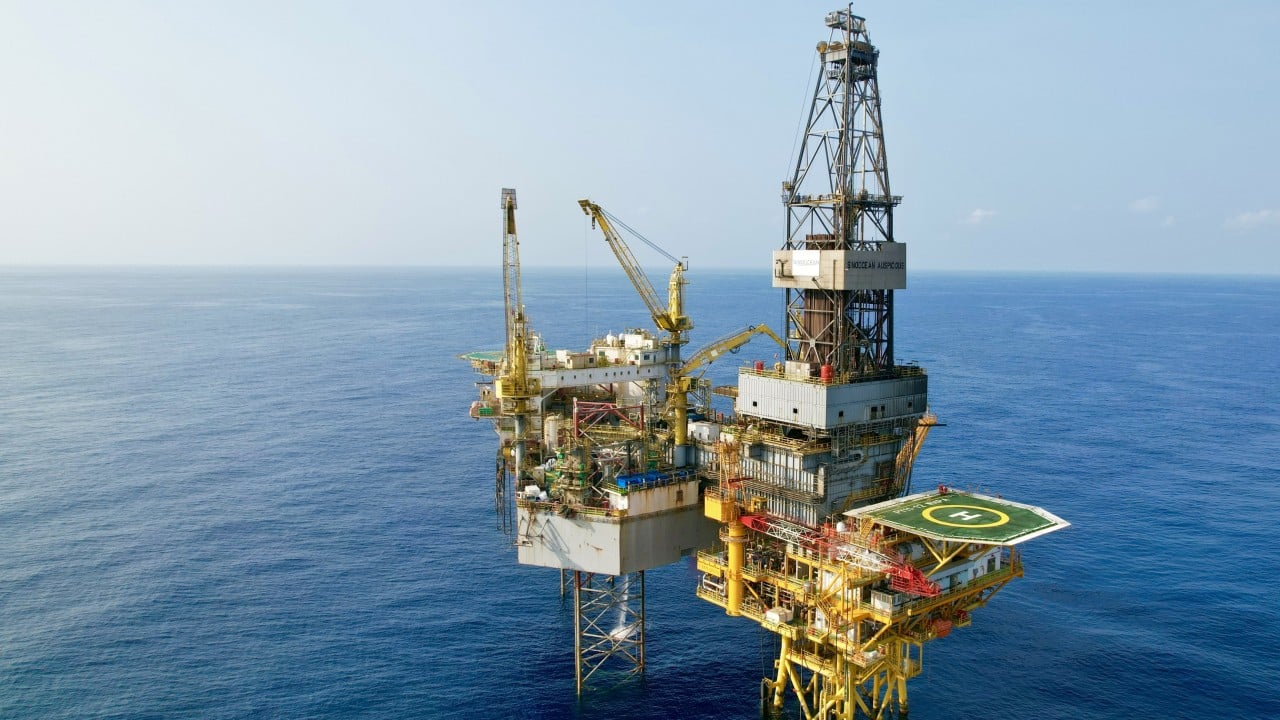
Energy crunches make strange bedfellows. When supply shocks hit global markets, politicians start looking at dangerous maps. Right now, officials in Manila and Beijing are dusting off old paperwork about joint hydrocarbon exploration in the South China Sea.
It sounds pragmatic on paper. Share the drill bits, split the profits, calm the waters. But anybody who thinks a joint venture over natural gas will magically fix territorial friction hasn't been paying attention.
The Anatomy of a Desperate Energy Search
The Philippines faces a looming crisis. The Malampaya gas field near Palawan is running dry. That single underwater pocket supplies a massive share of the main island's electricity. When output drops, the lights flicker.
Enter the idea of joint development at Reed Bank. It sits roughly 85 nautical miles west of Palawan. It rests safely inside the Philippine exclusive economic zone, yet Beijing claims it under the sprawling nine-dash line.
President Ferdinand Marcos Jr. has noted that a deal is a distinct possibility, especially with energy security squeezed by Middle Eastern shipping route disruptions. Desperate times breed creative talking points.
Why the Legal Minefield Remains Active
Sharing energy sounds simple until you look at constitutional law. The Philippine Constitution mandates that the state maintains full control and supervision over natural resource extraction. Letting a foreign claimant state—one that routinely ignores international arbitral rulings—operate freely inside domestic waters triggers massive legal and political panic.
Back in 2018, both sides signed a memorandum of understanding. It went nowhere. Talks collapsed completely because sovereignty cannot easily be sliced up like a pie chart. Beijing demands jurisdiction over the very waters Manila swears to protect.
Trust is thin. Power is uneven. Every time coast guard vessels face off near secondary shoals, diplomatic goodwill evaporates.
Treating Symptoms Instead of Diseases
Energy cooperation is a long play. Turning an offshore gas discovery into actual pipeline flow takes up to a decade and billions in capital. It requires stable operating conditions that simply do not exist in contested maritime zones.
Treating joint resource extraction as an instant diplomatic off-ramp is a mistake. It confuses commercial contracts with sovereignty disputes. If the underlying security architecture remains hostile, putting oil rigs in contested water is just building expensive targets.
Stop treating corporate resource sharing as a magic wand for geopolitics. True stability requires respecting maritime boundaries, not drawing new ones around disputed gas pockets.
PH, China resume talks on oil exploration in South China Sea amid Middle East conflict
This video provides context on the high-level diplomatic talks between Manila and Beijing regarding energy exploration amidst broader regional and global supply pressures.
http://googleusercontent.com/youtube_content/1