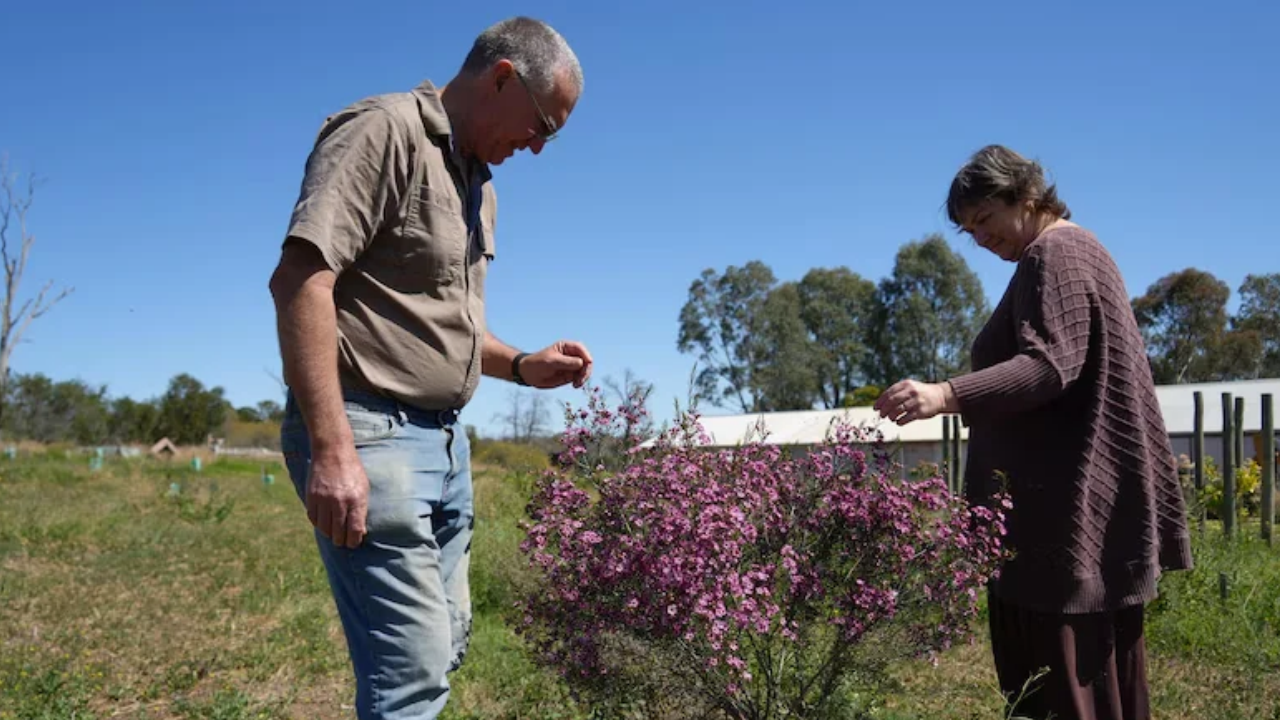
Bringing back native wildlife isn't just about planting a few trees and walking away. It takes decades of grit, constant trial and error, and an refusal to give up when local conditions turn against you. That's the core story behind the Murtho habitat restoration project along the River Murray in South Australia.
Where rows of irrigated grapevines once stood, a multi-generational family effort has spent years reshaping a degraded agricultural patch into a thriving haven for vulnerable species, most notably the regent parrot. For another view, consider: this related article.
Old vineyards don't transform overnight. Clearing legacy infrastructure, managing heavy weed growth, and establishing native tree species in arid conditions requires relentless maintenance. But this project shows what happens when private landholders take long-term biodiversity into their own hands rather than waiting for governmental intervention.
Why the Regent Parrot Needs Riverland Rescue Efforts
The eastern regent parrot (Polytelis anthopeplus monarchoides) faces serious pressure across its natural range in the Murray-Darling Basin. Habitat clearance for agriculture removed massive swathes of old-growth eucalyptus trees, cutting off essential nesting sites and feeding corridors. Related coverage on this matter has been provided by NBC News.
Regent parrots depend on mature river red gums (Eucalyptus camaldulensis) located within flying distance of mallee woodland feeding grounds. When humans clear those mallee areas for cropping or grape production, the birds lose their main food sources: native seeds, flowers, and insect larvae.
Without targeted land rehabilitation, populations keep dropping.
The Murtho restoration directly tackles this spatial gap. Situated along key flight paths near the River Murray border region, reviving native vegetation on this specific site gives local flocks a critical bridge between river red gum breeding hollows and surrounding foraging zones.
Stripping Away Vines to Rebuild a Native Ecosystem
Converting commercial farmland back to scrubland is surprisingly tricky. Decades of irrigation, fertilizer use, and soil compaction leave behind ground conditions that favor invasive weeds over native saplings.
The revival work at Murtho required a clear strategy:
- Earthworks and clearing of dead vine stocks, trellis wires, and drip irrigation lines.
- Targeted weed control to stop aggressive non-native grasses from choking out young plants.
- Direct seeding and planting of native species suited to Riverland rainfall patterns.
- Strategic fencing to keep out introduced pests like rabbits and hares.
The planting mix focused on species native to the regional mallee and floodplain ecosystems, including black box (Eucalyptus largiflorens), native pine (Callitris gracilis), and various acacia species that yield seed pods regent parrots love.
It isn't a quick fix. You can't just throw seeds on bare dirt and expect a forest to appear next spring. Native seedlings need regular monitoring, seasonal weed abatement, and protection from browsing animals during their first few vulnerable years.
Multi-Generational Land Stewardship in Action
Land restoration projects often fail when they rely on short-term grant funding or single-person enthusiasm. The moment the grant runs out or the owner moves on, invasive weeds retake the area.
What makes the Murtho site stand out is its family structure. Passing stewardship duties across generations provides continuity that ecological recovery demands. Young trees planted ten years ago are just beginning to offer decent canopy cover today. The hollows needed for parrot nesting take decades, sometimes over a century, to form naturally in eucalypts.
Having family members involved at every stage ensures that long-term environmental commitments don't collapse when local land ownership shifts. It turns a property management task into an ongoing family legacy tied directly to the health of the surrounding Riverland landscape.
Getting Involved in Private Land Restoration
If you own property near key wildlife corridors or want to replicate similar conservation projects on your own land, don't try to tackle forty acres at once.
Start by identifying existing native remnants on your property. Protect those spots first by fencing out livestock and managing weeds around established trees. Partner with local natural resource management boards, landcare groups, or state environment departments to get regionally accurate plant lists and potential seed funding. Focus on planting species that offer food for local wildlife during seasonal gaps.
Small, connected patches of restored habitat create vital stepping stones across modified agricultural landscapes. Doing the groundwork early saves years of wasted effort later on.