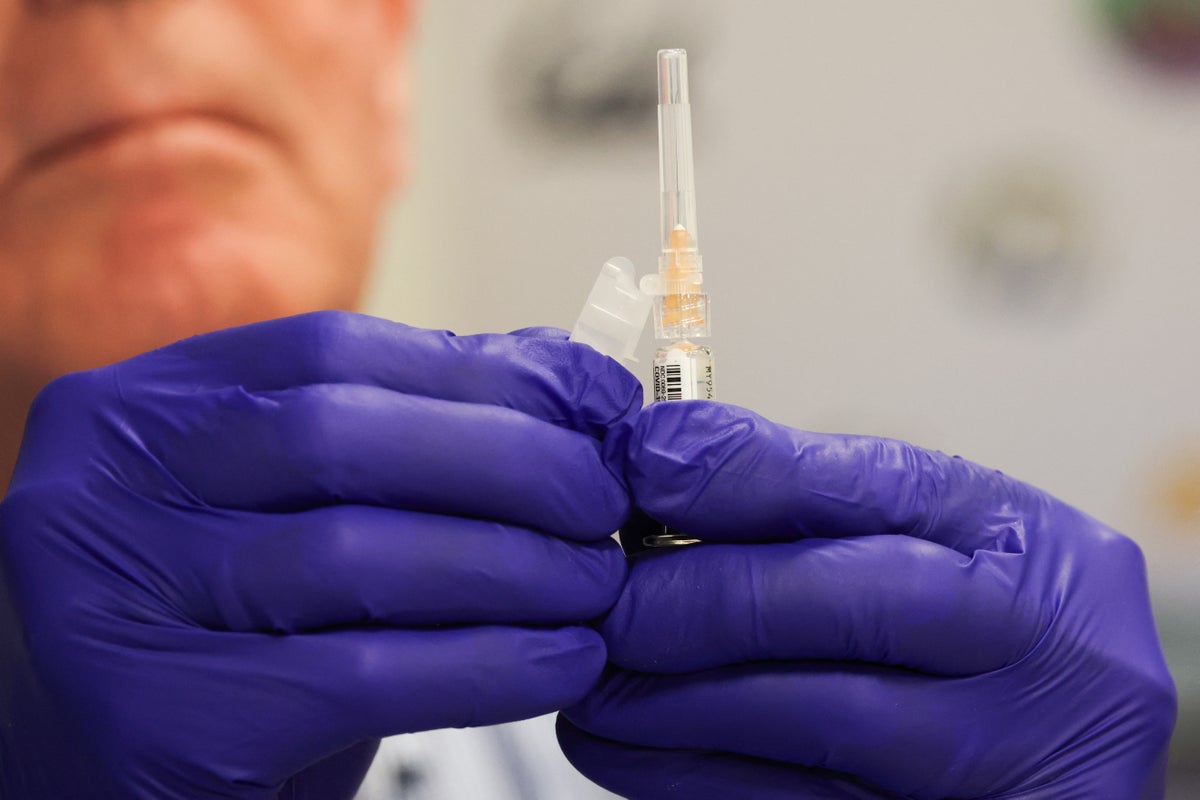
If you think a shot given just twice a year that virtually blocks HIV transmission would immediately wipe out the epidemic, I don't blame you. On paper, it sounds flawless. South Africa officially started rolling out lenacapavir, a twice-yearly pre-exposure prophylaxis (PrEP) injection administered into the abdomen. President Cyril Ramaphosa launched the initiative in Secunda, Mpumalanga, making South Africa the ninth African country to roll out the treatment.
For a nation carrying the heaviest HIV burden on the planet—with roughly 8 million people living with the virus—this sounds like the ultimate victory. Daily pill fatigue is a massive hurdle for oral PrEP. Replacing 365 daily pills with just two stomach injections a year should change the entire dynamic.
But it's not that simple. Despite the optimism echoing from government podiums, the reality on the ground is a complicated mix of incredible scientific achievement and massive structural roadblocks. We have a medical miracle trapped inside a broken financial system.
The Raw Math of South Africa HIV Crisis
To understand why lenacapavir matters, look at the brutal numbers the country faces every week. Despite massive success in getting millions of citizens onto antiretroviral treatment, the country still records about 160,000 new infections every year.
The hardest-hit demographic isn't who you might think. Adolescent girls and young women aged 15 to 24 account for roughly 1,000 new infections every single week.
Why is this happening? It’s driven by severe socio-economic disparities. Many of these young women find themselves in deeply unequal, often transactional relationships with older men where negotiating condom use is effectively impossible. Handing a 17-year-old girl a bottle of daily PrEP pills can create danger if her family or partner finds them and assumes she is already HIV-positive, fueling harmful social stigma.
An injection hidden in the stomach every six months fixes that specific problem. It gives young women absolute autonomy over their own bodies without needing permission, negotiation, or conspicuous daily habits.
The High Cost of Free Innovation
If lenacapavir is so effective, why isn't everyone getting it immediately? The rollout is strictly limited to 360 public health facilities in high-burden districts across six provinces. This isn't a medical choice; it's a financial necessity.
Lenacapavir is manufactured by the American pharmaceutical giant Gilead Sciences. In the United States, the drug costs a staggering $28,000 per person annually. Gilead agreed to open voluntary production licenses to local manufacturers in South Africa, which means generic versions will eventually drop the price to an estimated $40 per year.
The problem? Those cheap generics won't hit the market until the first half of 2027.
Right now, South Africa relies entirely on donor funding to bridge the gap. The Global Fund, alongside the Children’s Investment Fund Foundation, stepped up to boost funding from $29 million to nearly $70 million. Together with PEPFAR, the goal is to get three million people on the injection over the next three years.
But even that expanded donor pot is dangerously fragile. Dr. Saiqa Mullick, a PrEP specialist at Wits RHI at the University of Witwatersrand, recently pointed out that recent U.S. aid cuts have already damaged the country's local healthcare infrastructure. Youth services, community outreach, and clinics targeting vulnerable groups are shrinking just as they need to expand to deliver these shots.
Breaking Down the Treatment Schedule
A common misconception is that you simply walk into a clinic, get one shot, and walk out fully protected for six months. The actual clinical initiation requires a bit more coordination.
- The Baseline Test: A person must confirm they are completely HIV-negative through standard screening before receiving the drug.
- Day One: The patient receives the initial subcutaneous stomach injection alongside oral tablets.
- Day Two: The patient takes a second round of oral priming tablets.
- The Six-Month Interval: After this initial setup, the user only needs to return to a participating public health clinic once every six months for a single maintenance injection.
Clinical trials like the PURPOSE 2 study showed that this specific regimen offers near-total protection against infection, outperforming both daily oral pills and earlier multi-month injectable alternatives like cabotegravir.
What Needs to Happen Right Now
Epidemiologists and health economists agree on the target metrics. Scientific modeling shows that if two to four million high-risk, HIV-negative South Africans adopt the shot over the next 12 to 24 months, new infection rates could plummet to below 0.1% by 2032. That would effectively eliminate AIDS as a public health threat in the country.
But achieving that goal requires immediate action rather than waiting for 2027 generic manufacturing to save the day.
First, the National Department of Health must fast-track the integration of lenacapavir into its Essential Medicines List. This step allows local provincial health departments to bypass donor red tape and purchase the drug directly out of standard domestic budgets.
Second, activists and community leaders must pressure Gilead to expand its initial supply allocations. If the global market lacks confidence in the distribution pipeline, local manufacturing plants won't invest the capital required to spin up local production lines.
Ultimately, a medical tool is only as good as the system delivering it. South Africa has the science, the data, and the political will. Now, it must find a way to fund the frontline clinics before the current window of opportunity closes.