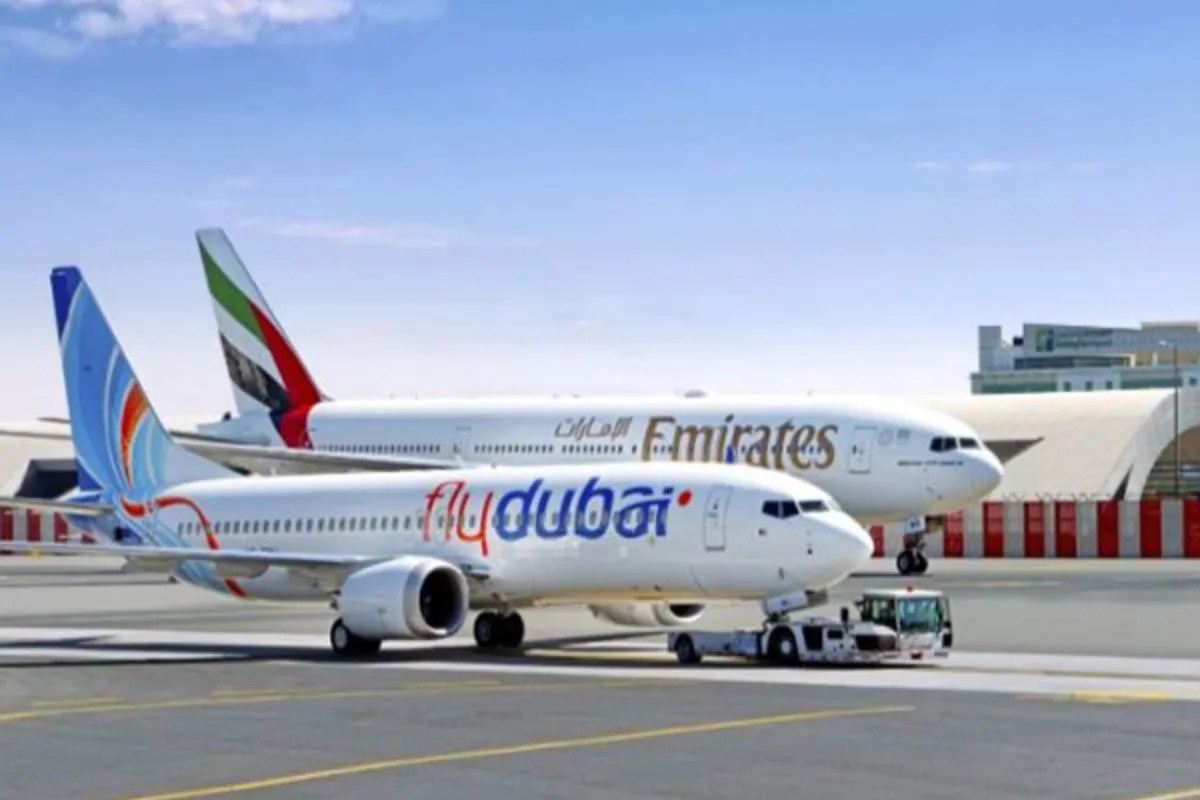
The coffee in the corner shop was cooling too fast, leaving a skin across the dark liquid. Outside, the midday hum of the avenue masked a heavier rhythm. Somewhere thousands of miles away, past folded mountain ranges and tense airspace borders, words were dropped like matches into dry grass. A statement. A denial. A accusation that cut through the usual diplomatic static and struck straight at the raw nerves of an already fractured region.
When Donald Trump speaks about the Middle East, the world leans in. Not because his words are predictable—they rarely are—but because they possess the gravity of tectonic plates shifting beneath a quiet village. This time, the tremor originated from an allegation that looped a commercial airline, a regional prime minister, and a web of covert maneuvers into a single, breathless headline. Iran’s response did not take days. It snapped back instantly, sharp and defensive, echoing through state media like a warning shot across an empty bow.
To understand why a mention of Flydubai and Benjamin Netanyahu can instantly set off alarms in Tehran, we have to look past the ticker tape. We have to step into the smoke.
The Anatomy Of An Accusation
Geopolitics rarely operates in straight lines. It is a series of whispers, misdirections, and shadows cast by leaders standing too close to the fire. When rumors take flight about commercial carriers acting as covers, or intelligence agencies orchestrating high-stakes theater in the clouds, ordinary people pay the freight.
Imagine sitting in seat 14B on a midnight flight cutting across the Gulf. The cabin is dim. The hum of the jet engines vibrates through the titanium frame, lulling tired passengers into a false sense of security. Below, the dark expanse of water holds secrets that maps refuse to print. To the traveler, it is just a journey from one airport terminal to another. To the intelligence analysts staring at glowing monitors in underground command centers, that same aluminum tube is a variable. A piece on a massive, unforgiving board.
When the former US president leaned into the microphone and suggested a plot involving Israeli leadership and regional transit networks, he was tapping into a deep, paranoid reservoir. It is a reservoir fed by decades of proxy wars, cyber sabotage, and skies crowded with drones and passenger jets alike.
Iran’s immediate reaction was predictable yet revealing. Tehran does not absorb blows quietly. Every statement from its foreign ministry is calculated to project unyielding strength, casting its adversaries as architects of chaos while positioning itself as the aggrieved defender of sovereignty. The rhetoric speaks of conspiracies and malice. But beneath the bluster lies a genuine, jagged anxiety: the fear that the skies above them are no longer their own.
The Weight Of Words In A Fragile Sky
Words have mass. In zones of high tension, a single reckless sentence can alter flight paths, freeze stock markets, and trigger defensive postures that bring nations closer to the precipice.
Consider the vulnerability of modern aviation in a theater of distrust. We remember the ghosts of flights past—innocent souls caught in the crosshairs of missile batteries fired in haste and panic. Every time a major political figure weaves commercial airlines into a narrative of covert plots, the psychological pressure on civilian pilots and air traffic controllers multiplies. They are the ones navigating the tightrope between international air corridors and trigger-happy defense networks.
When Tehran reacted to Trump’s remarks, they were not just answering a critic in Washington. They were signaling to their own population—and to the regional capitals watching closely—that they see the board. They are reading every move. They want the world to know that they refuse to be caught off guard by what they perceive as an unholy alliance of political maneuvering and intelligence operations.
Yet, this is where the fog of modern politics thickens. Is there substance to these whispered conspiracies, or are they merely the smoke rings of political posturing designed for domestic consumption and international leverage?
The truth is rarely clean. It usually lives in the gray spaces between what politicians say to rally their bases and what intelligence agencies whisper in classified briefings. What remains undeniable is the human toll. Every time the rhetoric spikes, mothers in Tehran look up at the evening sky with a tightening in their chests. Every time a foreign leader drops a provocative hint, families across the Gulf wonder if tomorrow’s travel plans will be grounded by sudden retaliation.
The Unseen Architecture Of Fear
We talk about nations as if they are monolithic blocks of stone. We say "Iran," "Israel," "the United States." But nations are millions of individual heartbeats. They are bakers opening their shutters at dawn, students crammed into university lecture halls, mechanics wiping grease from their hands while the radio murmurs background noise about looming crises.
The real tragedy of these high-level political skirmishes is how effectively they hold those ordinary lives hostage. The shadow war is fought not just with cyber weapons and targeted strikes, but with psychological warfare. It is designed to keep populations off balance. To make every flight feel like a gamble. To make every news alert feel like the prelude to something worse.
As the dust settles from this latest exchange of words, the fundamental reality of the region remains unchanged. The air corridors are still busy. The politicians are still calculating their next moves. And the smoke on the horizon, whether real or rhetorical, continues to cast long, uneasy shadows over millions of people who just want to live without looking up.
The coffee has gone completely cold now. The radio in the corner moves on to the weather report, a bland forecast for a sunny afternoon, entirely indifferent to the storms brewing thousands of miles away in the minds of men who hold the levers of power.


